← All women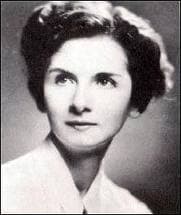
Hungarian, American · Literature
Kate Seredy
November 10, 1899 – March 7, 1975
Early Life and Background
Kate Seredy was born on November 10, 1899, in Budapest, Hungary. She was the daughter of Domokos Seredy, who was a professor of literature, and Ilona Lendvay, who brought a creative influence into her life. Her upbringing in a cultured and intellectual family environment fostered her love for literature and art from a young age. The pastoral beauty of the Hungarian countryside, which she explored frequently during her childhood, served as a significant inspiration for her future work as an author.
Career Beginnings and Development
Seredy moved to the United States in 1923, initially taking up various illustration jobs. Her talent as an illustrator quickly became apparent, leading her to pursue a career in publishing. Her first book, "The Good Master," published in 1935, was both written and illustrated by Seredy. It was set in Hungary and drew upon her childhood experiences, leading to its success and her subsequent rise as a prominent author in children's literature.
Major Works and Achievements
Kate Seredy's breakthrough came with "The White Stag," published in 1937, which received the Newbery Medal in 1938. The book, drawing on ancient Hungarian legends, showcased her storytelling capability and artistic prowess through illustrations integrated into the text. Other notable works by Seredy include "The Singing Tree" (1939), which received a Newbery Honor, and "Chimney Corners" (1947). Her books are celebrated for their themes of cultural identity, resilience, and the beauty of nature.
Awards, Honors, and Recognition
Throughout her career, Seredy received numerous accolades, most notably the Newbery Medal, which is among the highest honors in children's literature. Her unique ability to craft stories that resonated with children and adults alike brought her widespread acclaim in both the United States and Hungary.
Personal Life
Kate Seredy remained unmarried throughout her life, dedicating her passion and energy to her literary pursuits. Despite living most of her life in the United States, she maintained a strong connection to her Hungarian roots, which heavily influenced her work and legacy.
Legacy and Historical Impact
Seredy's legacy in children's literature is profound, as her books continue to be cherished by young readers. Her contributions to literature are significant for their portrayal of Hungarian culture and history, serving as an introduction to these themes for children worldwide. Her works paved the way for authors who bridge cultural narratives in children's storytelling.
Later Life and Death
Kate Seredy spent her later years in New York, where she continued her passion for writing and illustrating until her health began to decline. She passed away on March 7, 1975, in Middletown, New York. Her works remain influential and are continuously republished, securing her lasting place in the canon of classic children's literature.
Dated achievements
3 indexed.
- Nov101899Literature
Birth of Kate Seredy
Kate Seredy was born in Budapest, Hungary, on November 10, 1899.
View details Kate Seredy - Wikipedia - Feb151938Literature
Newbery Medal for The White Stag
Kate Seredy was awarded the Newbery Medal on February 15, 1938, for her book "The White Stag".
View details