← All women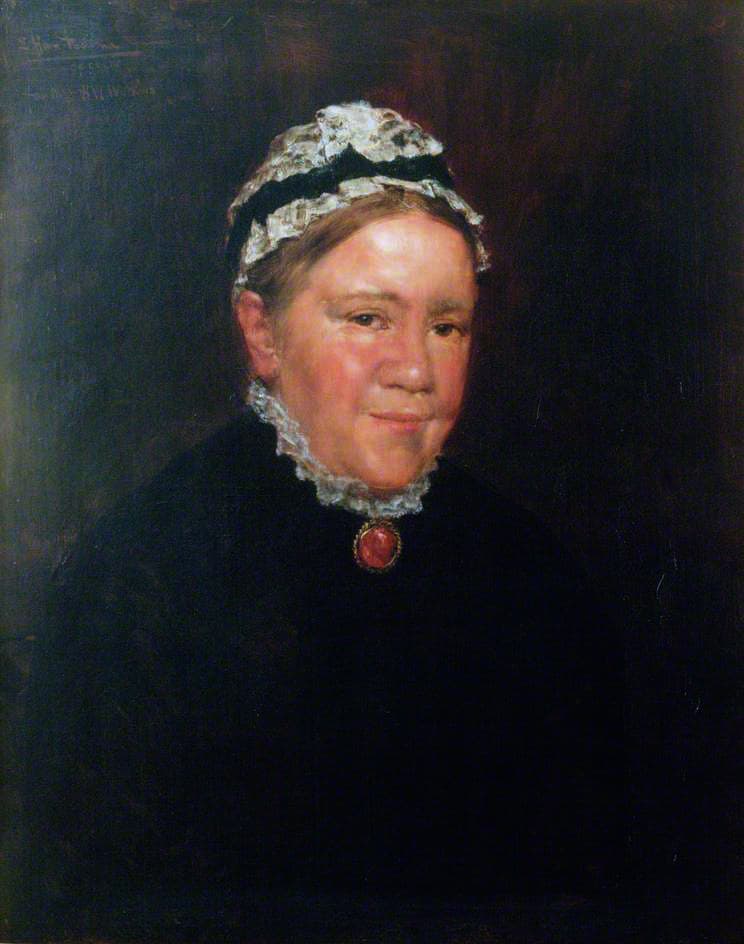
British · Arts
Kate Loder
August 21, 1825 – August 30, 1904
Early Life and Background
Kate Fanny Loder, born on August 21, 1825, in Bath, England, was destined for musical greatness from an early age. She hailed from a family with significant musical inclinations; her father, George Loder, was a conductor, and her uncle, Edward Loder, a respected composer. The environment nurtured her musical talent, and by age 13, she was already making a name for herself in the musical circles of London.
Career Beginnings and Development
Kate's formal musical education began earnestly under the tutelage of Henry Charles Cooper, a notable figure in London's music scene. From a young age, she exhibited an exceptional talent for the piano, and soon, her proficiency earned her a coveted place at the Royal Academy of Music. There, she not only excelled but also set a precedent as one of the earliest female students to receive a significant award from the institution.
Kate Loder's career as a concert pianist took off in her teenage years. At just 21, she performed Beethoven's 'Emperor Concerto,' a feat that showcased not just her technical prowess but also her interpretative depth.
Major Works, Discoveries, or Accomplishments
Loder's compositions were as groundbreaking as her performances. Her works, which included sonatas, concertos, and chamber music, were celebrated for their brilliance and complexity. Her impact is perhaps best encapsulated by her renown within the Victorian musical elite, a shut door for many women of her era.
Awards, Honors, and Recognition
In the 19th-century British musical landscape, dominated predominantly by male composers, Loder's position was revolutionary. She earned critical acclaim and was frequently mentioned in the same breath as some of the greatest male composers of her time, including Mendelssohn and Beethoven.
Personal Life
In 1851, Kate Loder married Henry Thompson, an eminent surgeon. Following her marriage, she withdrew from public performances, a choice that many of her contemporaries characterized as a tremendous loss to the music world. The couple had no children, allowing Kate to focus her remaining energies on composition and private musical instruction.
Legacy and Historical Impact
Despite her public retreat, Kate Loder's influence persisted through her students and the few of her works that survived and were performed posthumously. She became a symbol of female empowerment in music, inspiring numerous women to break into what was seen as an overwhelmingly male domain. Her compositions are still celebrated today for their depth and complexity, invigorating the repertoire of 19th-century piano music.
Later Life and Death
Kate Loder lived out her later years in relative quietude, continuing to compose and teach until her death on August 30, 1904. She left behind a legacy rich in musical innovation and social impact, embodying the quintessence of a pioneering woman in the arts whose contributions far outpaced that of many of her male counterparts.
Dated achievements
2 indexed.