← All women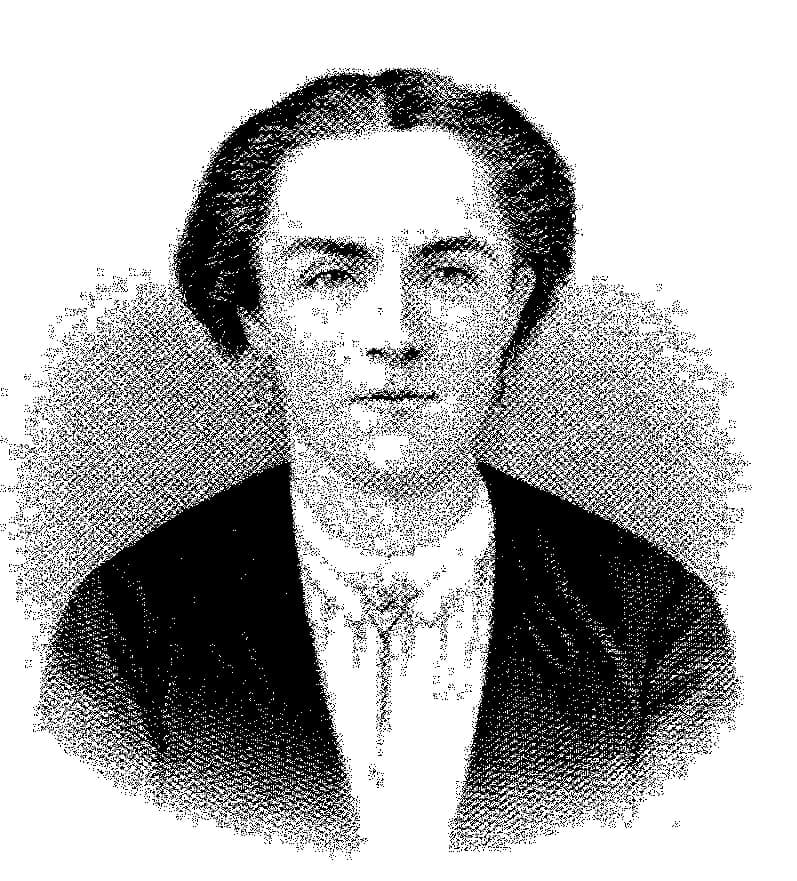
American · Literature
Kate Harrington
September 20, 1831 – May 29, 1917
Early Life and Background
Kate Harrington, born Rebecca Harrington Smith on September 20, 1831, in Allegheny City, Pennsylvania, was an influential American poet and educator. Her parents, Edwin and Rachel Smith, played an instrumental role in her early education, instilling in Kate an appreciation for literature and the arts. Growing up during a time of cultural shift in America, Kate was exposed to both the old world of Appalachia and the rapidly industrializing nation.
Career Beginnings and Development
Kate Harrington began her career as a teacher, educating the young girls of Iowa, where her family had relocated. This experience deeply influenced her literary voice, as issues of morality and virtuous behavior permeated her works. Harrington’s career as a writer took off when she began publishing poetry, capturing the essence of rural life and the complexities of moral dilemmas in post-Civil War America.
Major Works and Accomplishments
Midway through her career, Kate Harrington authored several well-received poetry collections, with her first significant work, “The Slave Girl, and Other Poems,” published in 1869. Her keen observations of everyday life and heartfelt expressions of love and strife resonated with readers across the country. Harrington was also a notable advocate for educational reform, pushing for systematic changes in how young girls were taught across American schools. Her poetry often delved into themes of social justice and personal integrity.
Awards, Honors, and Recognition
While direct awards were scarce for female writers of her era, Harrington's literary contributions garnered admiration from her contemporaries and readers alike. Her persistence and commitment to both education and writing earned her a lasting legacy among Iowa's literary circles. She was often celebrated posthumously in regional literary societies for her impactful use of the written word.
Personal Life
Kate Harrington married Clinton J. Harrington and adopted her pen name as a synthesis of her married and maiden identities. Her personal life was marked by private silence on family matters, focusing more publicly on her literary outputs and pedagogical commitments. She maintained a strong network of fellow educators and writers throughout her life.
Legacy and Historical Impact
Harrington is remembered for her pioneering spirit that transcended traditional gender roles of her time, advocating for women's roles in education and society. Her literary works are studied for their reflection of 19th-century American values and insights into the historical context of her era. Though not as widely recognized beyond Iowa, Kate Harrington’s writings contributed to the rich tapestry of American literature.
Later Life and Death
Kate Harrington continued writing and teaching until her health permitted no longer. She passed away on May 29, 1917, leaving behind a legacy of advocacy for educational reform and artistic expression. She remains a scholarly subject in discussions of 19th-century American women writers.
Dated achievements
1 indexed.
- Sep201831Literature
Birth of Kate Harrington
Kate Harrington was born on September 20, 1831, in Allegheny City, Pennsylvania.
View details Wikipedia - Kate Harrington (poet)