← All women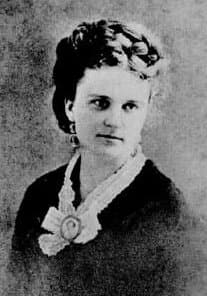
American · Literature
Kate Chopin
February 8, 1850 – August 22, 1904
Early Life and Background
Kate Chopin, born Katherine O'Flaherty on February 8, 1850, in St. Louis, Missouri, came from a diverse cultural background with Irish and Creole influences. Her father, Thomas O'Flaherty, was a successful businessman who died when she was just five years old, an event that greatly impacted her childhood. Raised primarily by her mother and grandmother, Chopin was exposed early on to strong female influences, shaping her perspectives on women's roles in society. Her education came from the Catholic Academy of the Sacred Heart, where she developed a love for reading and storytelling.
Career Beginnings and Development
Kate Chopin began writing in earnest in the late 1880s. Initially, she published short stories in magazines and literary journals, gaining modest success. Her early works reflected regional Louisiana settings, both a reflection of her own life experiences living there post marriage and a narrative style distinctly hers known as local color fiction.
Major Works and Accomplishments
Chopin published her first novel, "At Fault", in 1890, but it was her short story collections "Bayou Folk" (1894) and "A Night in Acadie" (1897) that earned her critical acclaim. These works provided vivid insights into Creole and Cajun life, with their focus on the inner lives of women in the society of the American South. Her seminal novel, "The Awakening" (1899), marked a significant shift towards bold feminism and was met with critical neutrality that bordered on hostility, due to its unapologetic exploration of female sexual and emotional liberation. It was ignored critically during her lifetime but has since become a pillar of feminist literature.
Awards, Honors, and Recognition
Kate Chopin did not receive significant awards or honors during her career, as much of her work became celebrated posthumously. In modern times, it has been recognized for its pioneering insight into themes of women's independence and social commentary.
Personal Life
Kate married Oscar Chopin, a cotton factor, in 1870 and moved to New Orleans. They had six children before his untimely death in 1882. Chopin returned to St. Louis shortly after his death, where she began her literary career to support her family.
Legacy and Historical Impact
Though initially criticized, Kate Chopin's works have been subject to critical revival, now studied in academia for their literary craftsmanship and important social themes. "The Awakening", in particular, redefined literary portrayals of female characters and inspired generations of writers interested in exploring the complexities of women's agency.
Later Life and Death
Kate Chopin continued to write until her sudden death on August 22, 1904, from a cerebral hemorrhage. She left behind a legacy of introspective, locally rich narratives that challenged societal norms and championed the inner voices of women. Her work, once dismissed, now stands resurgent as a touchstone in feminist literary circles.
Dated achievements
2 indexed.
- Feb081850Literature
Birth of Kate Chopin
Kate Chopin was born on February 8, 1850, in St. Louis, Missouri.
View details Kate Chopin Biography - Aug221904Literature
Death of Kate Chopin
Kate Chopin died on August 22, 1904, of a cerebral hemorrhage.
View details