← All women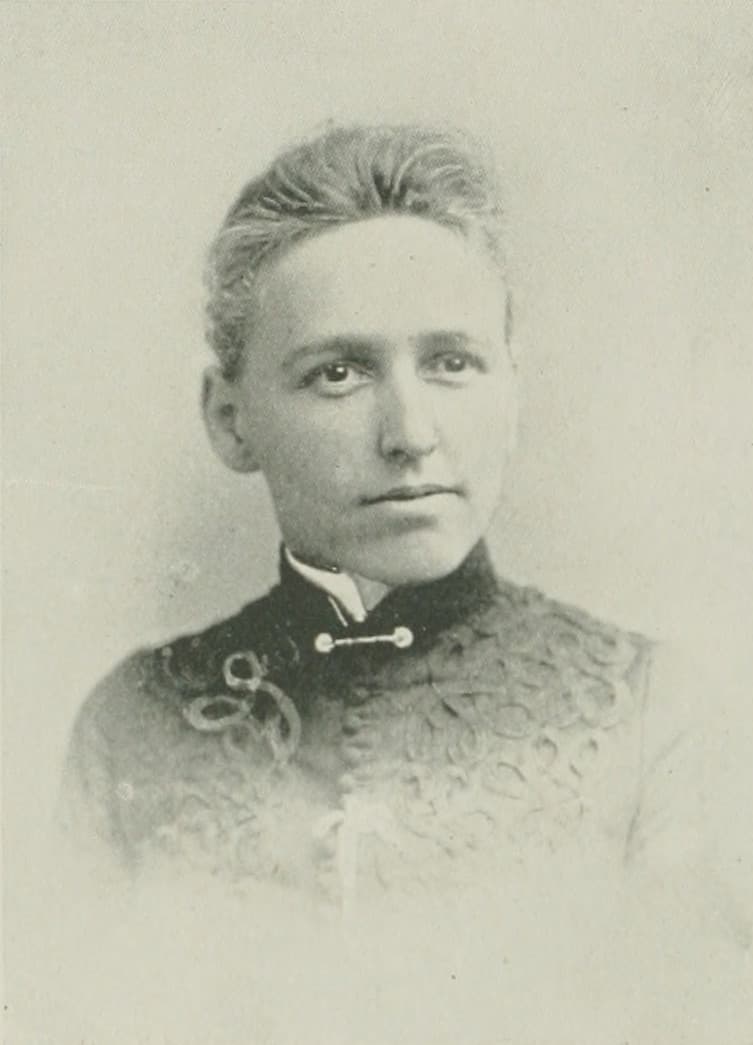
American · Medicine · Activism · Literature
Kate Bushnell
February 5, 1855 – January 26, 1946
Early Life and Background
Katharine Bushnell was born on February 5, 1855, in Peru, Illinois. She was the daughter of a physician, and this family environment significantly influenced her career choices and activism. Growing up, she demonstrated a profound interest in education and social reform, driven by her strong Christian faith and a desire for justice.
Education and Career Beginnings
Bushnell pursued higher education during a time when it was uncommon for women, attending Evanston College for Ladies, and later, the Women's Medical College of Chicago. She graduated as a qualified medical doctor and served as a medical missionary in China under the Woman's Foreign Missionary Society of the Methodist Episcopal Church.
Major Works and Achievements
While in China, Bushnell observed and reported systemic prostitution and trafficking issues associated with colonial authorities. Her findings led her back to the United States, where she directed her energy towards tackling similar issues within American borders. In 1887, alongside Elizabeth Andrew, she investigated and published reports on the inhumane conditions and abuse in lumber camps in northern Wisconsin and Michigan. This work led to reforms in state laws to protect women from sex trafficking.
The Christian Modesty Movement, co-founded with Frances Willard, aimed to combat the misuse of scripture to justify women's subjugation and advocate for their integrity and dignity. In her later years, Katherine wrote extensively on biblical translations, particularly focusing on passages that addressed genderequity, which had been traditionally interpreted to oppress women.
Awards and Honors
Although largely unrecognized by formal awards during her lifetime, Bushnell's work laid vital groundwork for modern anti-trafficking laws and women's rights reform. Her contributions continue to be celebrated in feminist and theological circles.
Personal Life
Bushnell remained unmarried, dedicating her life to her work and faith. Her personal sacrifices for public service remain a testament to her character and determination to effect social change.
Legacy and Historical Impact
Katharine Bushnell's advocacy for women's rights and her pioneering works against sexual slavery have left a lasting legacy. She inspired and empowered future generations of women to pursue social justice. Her writings on biblical interpretation continue to influence feminist theology studies.
Later Life and Death
After a lifetime of advocacy, Bushnell passed away on January 26, 1946, in Oakland, California. Her enduring impact on the fight against women's oppression marks her as a cornerstone figure in both women's rights activism and gender-conscious religious reform.
Dated achievements
1 indexed.
- Feb051855Medicine
Birth of Katharine Bushnell
Katharine Bushnell was born on February 5, 1855, in Peru, Illinois.
View details Wikipedia