← All women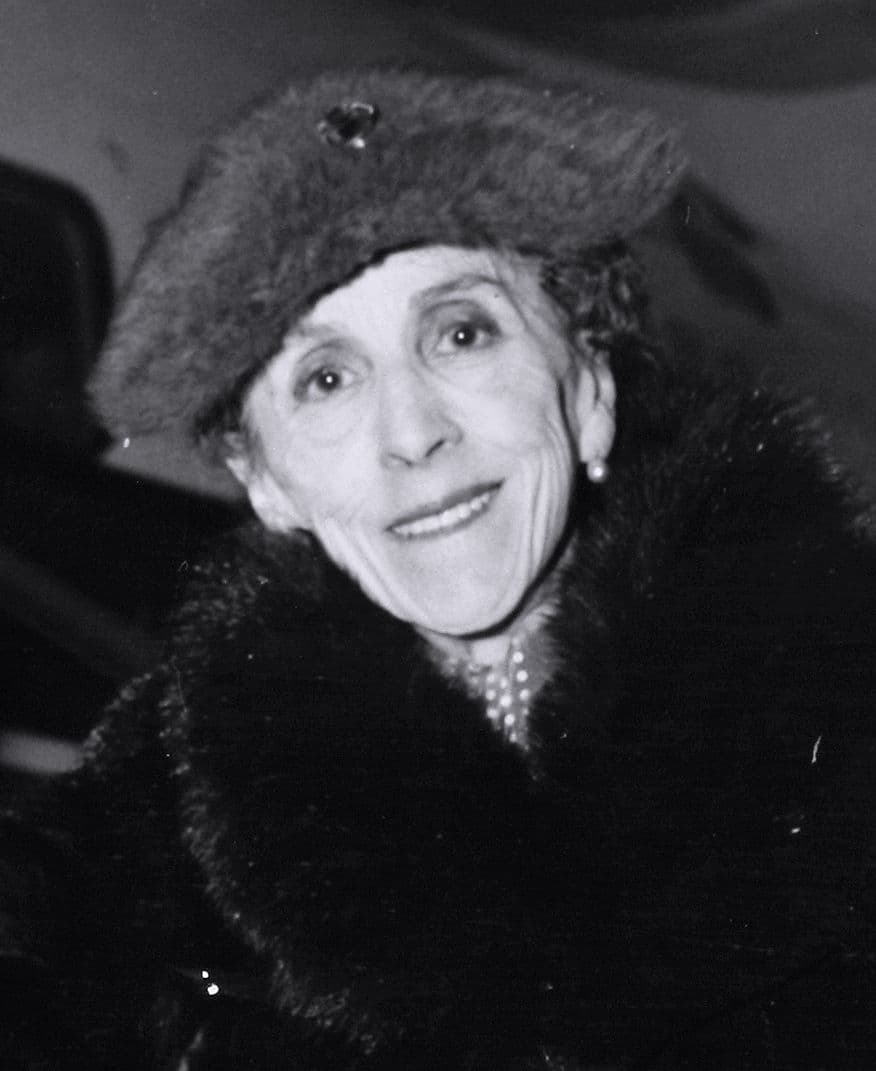
Danish · Literature · Exploration
Karen Blixen
April 17, 1885 – September 7, 1962
Early Life and Background
Karen Blixen, born Karen Christenze Dinesen on April 17, 1885, in Rungsted, Denmark, was a remarkable Danish author whose life and work had a profound impact on literature and culture. She grew up in a family of noble ancestry, with a brother and a father who were significant influences in her early life. Her father, Wilhelm Dinesen, an army officer and writer, instilled in her a passion for storytelling and adventure. Tragically, he committed suicide when Karen was only ten, a loss that deeply affected her. She attended several art and writing schools in Denmark and Switzerland, setting the stage for her future ventures in writing and exploration.
Career Beginnings and Development
Karen's career as a writer began in earnest in the 1900s. She wrote in Danish and English, adopting the pen names Isak Dinesen and Pierre Andrézel. Initially, her stories were published in magazines and garnered attention for their unique style and themes. However, it was her experiences in Africa that truly shaped her literary career.
Major Works and Accomplishments
In 1914, Karen Dinesen married her half-cousin, Baron Bror Blixen-Finecke, and moved to Kenya to manage a coffee plantation. This period of her life profoundly influenced her writing. Her most famous work, "Out of Africa," published in 1937, is a poetic memoir of her years in Kenya. The book, which vividly chronicles her experience with colonial Africa, its people, and landscapes, remains a classic, thanks in part to its 1985 film adaptation starring Meryl Streep and Robert Redford.
Beyond "Out of Africa," Blixen's literary portfolio includes "Seven Gothic Tales" (1934), which established her reputation in Europe and America, and "Winter's Tales" (1942), a collection of short stories that delved into themes of fate and morality.
Awards, Honors, and Recognition
Blixen's contribution to literature was recognized globally. In 1954, she was awarded the Danish Academy's Prize and received several nominations for the Nobel Prize in Literature, reflecting her narratives' enduring appeal and complexity. Her works were celebrated for their intensely structured narratives and exploration of existential themes.
Personal Life
Karen Blixen's personal life was as intriguing as her professional one. Her marriage to Bror Blixen was troubled and ended in divorce in 1921. Her time in Africa was marked by challenges, including financial difficulties and a tumultuous affair with the Englishman Denys Finch Hatton, whose untimely death was devastating.
Legacy and Historical Impact
Karen Blixen's legacy extends beyond her literary accomplishments. She is remembered for her eloquent depictions of life in Africa and her influence on future writers. Her experiences as a European woman in colonial Africa provided crucial insights into the cultural and social dynamics of the era.
Later Life and Death
Returning to Denmark in 1931 after her farm failed, Blixen continued writing until her death on September 7, 1962, in Rungsted. Her home there is now a museum dedicated to her life and work, preserving her legacy as one of the most distinguished authors of the 20th century.
Dated achievements
2 indexed.
- Apr171885Literature
Birth of Karen Blixen
Karen Blixen was born on April 17, 1885, in Rungsted, Denmark.
View details Wikipedia - Karen Blixen - Sep071962Literature
Death of Karen Blixen
Karen Blixen died on September 7, 1962, in Rungsted, Denmark.
View details