← All women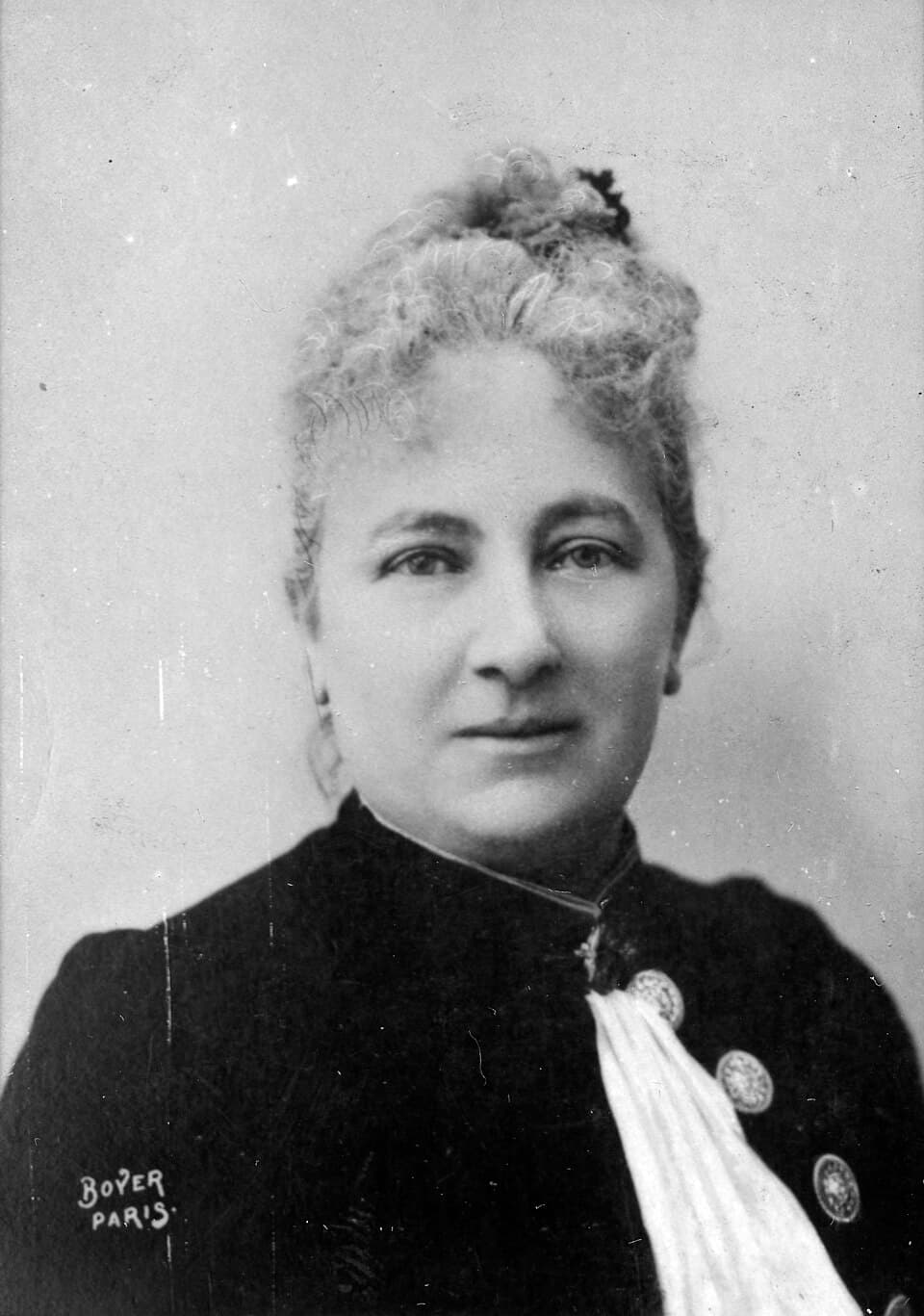
French · Literature · Arts · Politics
Juliette Adam
October 4, 1836 – August 23, 1936
Early Life and Background
Juliette Lambert was born on October 4, 1836, in Verberie, Oise, France, into a family with academic and religious leanings. Her father, a physician, and her mother, a deeply spiritual woman, provided Juliette with a broad education, exposing her to ideas and philosophies that would shape her later intellectual pursuits. As a young girl, she demonstrated an avid interest in literature and philosophy, often engaging in early intellectual discussions with prominent thinkers who frequented her family's home.
Career Beginnings and Development
Juliette's career began in earnest as a writer. Her early literary works, characterized by vivid prose and acute political observations, quickly gained attention. In 1858, she married author and lawyer Edmond Adam, who introduced her to his influential circle. This union thrust Juliette into the heart of Parisian intellectual society, where she hosted a prominent salon that became a center for political and literary discussion.
Major Works and Accomplishments
Juliette Adam's work as a novelist and essayist was extensive, but she is best remembered for her remarkable political publications. She founded the newspaper La Nouvelle Revue in 1879, giving a platform to many prominent writers and critics of her time and promoting the republican cause during the politically turbulent Third Republic. Her writings were not limited to political treatises; she also authored several novels, including Païenne (1883) and Julius II (1890), that explored societal norms and personal freedom.
Awards, Honors, and Recognition
Juliette was revered as an influential figure in both literary and political circles. Her salons were attended by luminaries such as Victor Hugo, George Sand, and Franz Liszt. Her contributions to French literature and politics earned her a significant place in the cultural memory of France, though formal awards during her time were few for women of her stature.
Personal Life
Her personal life was intertwined with her public endeavors. After her marriage to Edmond Adam, she continued to champion feminist ideals and political engagement. Their marriage, however, ended with his death in 1877, but she continued to use her surname Adam throughout her life.
Legacy and Historical Impact
Juliette Adam remains an enduring figure in French history for her literary contributions and her commitment to the political causes of her era. Her advocacy for gender equality and her active participation in the public sphere have inspired generations of women to pursue leadership roles in their respective fields.
Later Life and Death
Juliette Adam lived a long and influential life, witnessing the turn of the century and the significant changes that came with it. She passed away on August 23, 1936, in Callian, France, at the age of 99. Her legacy as a pioneer in both literature and political activism continues to be celebrated in contemporary discussions on women's contributions to culture and society.
Dated achievements
2 indexed.
- Oct041836Literature
Birth of Juliette Adam
Juliette Adam was born in Verberie, France, on October 4, 1836.
View details Wikipedia: Juliette Adam - Aug231936Literature
Death of Juliette Adam
Juliette Adam passed away on August 23, 1936, at the age of 99.
View details