← All women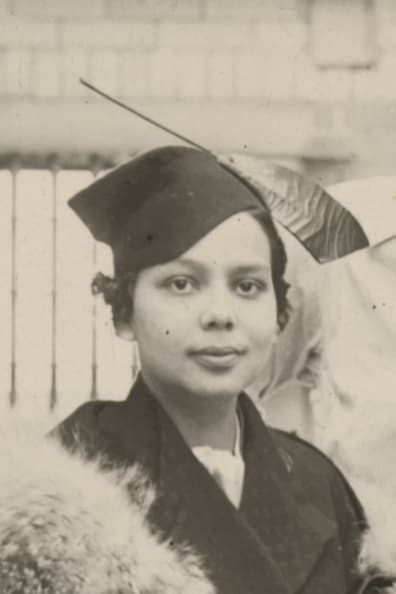
American · Activism · Law
Juanita Jackson Mitchell
January 2, 1913 – July 7, 1992
Early Life and Background
Juanita Elizabeth Jackson was born on January 2, 1913, in Hot Springs, Arkansas. Her parents, Dr. Keiffer J. Jackson and Lillie Mae Carroll Jackson, moved to Baltimore, Maryland, a few months after her birth. Her mother would become a prominent civil rights leader, significantly influencing Juanita's formative years.
She attended Frederick Douglass High School and later Coppin State Teachers College. In 1931, Juanita graduated from Morgan College (now Morgan State University) and went on to study at the University of Pennsylvania’s Graduate School of Sociology. Her academic pursuits laid a strong foundation for her legal and activist career.
Career Beginnings and Development
Initially a teacher, Juanita Jackson Mitchell sought to leverage legal avenues to combat racial inequities. She attended the University of Maryland School of Law, where in 1950 she made history as the first African American woman to be admitted to the Maryland bar, a significant achievement given the racial barriers of the time.
Major Works, Discoveries, or Accomplishments
Juanita Jackson Mitchell is most renowned for her civil rights activism. She played a key role in the NAACP’s efforts in Maryland, working alongside her mother to organize “The Baltimore Movement,” focusing on desegregation and voter rights. Her work was pivotal in the desegregation of Maryland theatres and public facilities.
Her legal acumen shone during the landmark NAACP cases she litigated, which helped dismantle segregationist policies throughout Maryland. Her advocacy extended to supporting the Voting Rights Act of 1965, promoting voter registration among African Americans.
Awards, Honors, and Recognition
Juanita Jackson Mitchell’s impact was recognized through numerous accolades. She was honored by the NAACP and inducted into the Maryland Women's Hall of Fame, acknowledging her substantial contributions to civil rights and social justice in America.
Personal Life
In 1938, she married Clarence M. Mitchell Jr., a civil rights leader and director of the NAACP's Washington Bureau. Together, they became a formidable force in the civil rights movement, raising three sons who would also become involved in social justice.
Legacy and Historical Impact
Juanita Jackson Mitchell's legacy is profound. Her pioneering work laid the groundwork for future generations of African American lawyers and activists. Her commitment to justice and equality significantly advanced the civil rights movement in Maryland and across the United States.
Later Life and Death
Juanita Jackson Mitchell continued her activism well into her later years, maintaining her influence and engagement in civil rights causes. She passed away on July 7, 1992, leaving behind a legacy of courage and change, inspiring countless individuals to pursue justice and equality.
Dated achievements
2 indexed.
- Jan021913Activism
Birth of Juanita Jackson Mitchell
Juanita Jackson Mitchell was born on January 2, 1913, in Hot Springs, Arkansas.
View details Wikipedia: Juanita Jackson Mitchell - Sep141950Law
Admitted to the Maryland bar
On September 14, 1950, Juanita Jackson Mitchell became the first black woman admitted to the Maryland bar.