← All women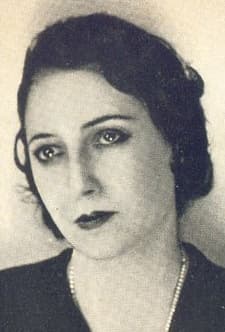
Uruguayan · Literature
Juana de Ibarbourou
March 8, 1892 – July 15, 1979
Early Life and Background
Juana de Ibarbourou was born on March 8, 1892, in Melo, Uruguay, to Manuel Fernández Morales and Valentina de Ibarbourou. Her full birth name was Juana Fernández Morales, but she would later adopt her maternal surname for her literary identity. Raised in the rural setting of Melo, Juana was influenced by the natural landscapes and the rich cultural heritage of her surroundings. Her early education was modest but she was an avid reader, immersing herself in the works of classic Spanish literature and modernist poets, laying the foundation for her own literary journey.
Career Beginnings and Development
Juana began writing poetry as a young girl, but it wasn't until her early twenties that she started to gain recognition. Moving to Montevideo in 1913, she published her first book of poems, "Las lenguas de diamante" in 1919. This work was notable for its intimate and sensuous style, divergent from contemporary norms. Her themes often revolved around love, femininity, and nature, challenging the conventional depictions of women in literature at the time.
Major Works and Accomplishments
"Las lenguas de diamante" was followed by several other collections, including "Raíz salvaje" and "La rosa de los vientos". Juana’s poetry was characterized by exuberant language and passionate expression. Her work attracted significant attention across Latin America and Spain, leading to her crowning as "Juana de América" in 1929 — a testament to her influence in Hispanic literature.
Awards, Honors, and Recognition
Juana de Ibarbourou was highly celebrated during her lifetime, receiving numerous accolades. In addition to being named "Juana de América," she was elected the President of the Consejo Nacional de Mujeres del Uruguay, an honor highlighting her prominence not only in literature but also in societal roles advocating for women.
Personal Life
In 1914, Juana married Captain Lucas Ibarbourou, adopting his surname for her writing career. Together, they had one child, a son named Julio Francisco. Her personal life, much like her poetry, was filled with intense emotional experiences, which often mirrored her literary themes.
Legacy and Historical Impact
Juana de Ibarbourou’s legacy lies in her role as a pioneering voice for women in literature. Her exploration of feminine perspectives and embrace of natural beauty reshaped the landscape of Hispanic poetry. Her influence extended beyond the borders of Uruguay, cementing her status as an iconic figure in Latin American cultural history.
Later Life and Death
In her later years, Juana's health declined, but she continued to write until her passing. She died on July 15, 1979, in Montevideo, Uruguay. Her death marked the end of an era, but her literary contributions continue to inspire new generations of poets worldwide.
Dated achievements
1 indexed.
- Mar081892Literature
Birth of Juana de Ibarbourou
Juana de Ibarbourou was born on March 8, 1892, in Melo, Uruguay.
View details Wikipedia