← All women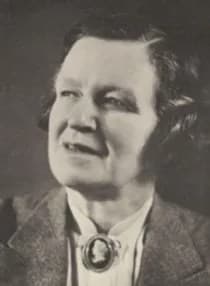
Australian · Activism · Politics
Jessie Street
April 18, 1889 – July 2, 1970
Early Life and Background
Jessie Mary Grey Street was born on April 18, 1889, in Ranchi, India, to Charles Henry Street and Mabel Ogilvie. Raised in a family with progressive ideologies, Jessie spent her early years in India and England before moving to Australia in 1907. Her father’s career with the public service mandated frequent relocations, which widened her worldview. Jessie was educated at Sydney Church of England Girls' Grammar School and later at the University of Sydney where she attained her Bachelor of Arts degree in 1911. Her formative years were significantly influenced by her mother’s engagement in social reforms and her own exposure to diverse cultures and socio-political environments.
Career Beginnings and Development
Jessie Street's career in activism began in earnest during the first World War when she engaged in welfare work for returned soldiers. Her focus swiftly turned to women’s rights, leveraging her education and social position to advocate for political and economic equality. In 1928, she became president of the United Associations of Women, through which she championed causes like child welfare and women’s access to higher education. Her efforts were instrumental in raising awareness and gradually shifting public perceptions about women’s roles in society.”
Major Work and Accomplishments
A tireless advocate for gender equality, Jessie Street played a pivotal role in the 1943 referendum, which safeguarded women’s right to social services. By lobbying for equal pay and the removal of sexist segments in legislation, she became an indispensable figure in the feminist movement in Australia. Her participation in the establishment of the United Nations signified a high point in her career, where she successfully advocated for the inclusion of equal rights in the UN charter. Notably, her activism extended to Indigenous Australians, evident in her support for the 1967 referendum that led to the acknowledgment of Aboriginal people in the Australian census.
Personal Life
Jessie married Kenneth Whistler Street, a successful barrister, in 1916, and they had four children. Her personal life often intertwined with her public advocacy, firmly rooted in the belief that gender equality began in the domestic sphere. Despite facing societal opposition, she maintained a harmonious balance between her family responsibilities and public duties, which was unconventional at the time.
Legacy and Historical Impact
Jessie Street's legacy is tangibly preserved in Australia’s political and social landscapes. Known fondly as 'red Jessie' for her bold and passionate advocacy, her work laid crucial groundwork for the subsequent achievements of the feminist and indigenous rights movements in Australia. Institutions like the Jessie Street National Women's Library have been named in her honor, ensuring that her contributions to social justice and women's rights continue to inspire future generations.
Later Life and Death
Jessie's later years were marked by a continuous dedication to activism, despite health challenges and the changing political climate. She passed away on July 2, 1970, in London, leaving behind a formidable legacy. Her life and work remain a testament to the enduring fight for social equity and justice.
Dated achievements
2 indexed.
- Apr181889Activism
Birth of Jessie Street
Jessie Street was born on April 18, 1889, in Ranchi, India.
View details Australian Dictionary of Biography - Jul021970