← All women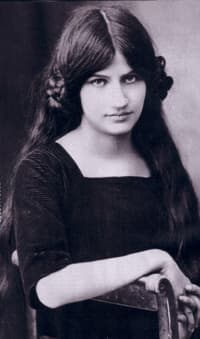
French · Arts
Jeanne Hébuterne
April 6, 1898 – January 26, 1920
Early Life and Background
Jeanne Hébuterne was born on April 6, 1898, in Meaux, France. She grew up in a traditional Roman Catholic family, where her artistic potential was nurtured despite societal constraints on women. Jeanne's father, Achille Casimir Hébuterne, worked as an accountant, while her mother, Eudoxie Anaïs Tellier, was a homemaker. The family moved to Paris, where Jeanne attended art schools, including the Académie Colarossi, a progressive institution that accepted female students.
Career Beginnings and Development
Jeanne Hébuterne was deeply involved in the avant-garde art scene of early 20th-century Paris. She pursued painting passionately and her works are characterized by delicate figurative style and subtle color use. Hébuterne modeled for several artists, but her enduring influence came from her relationship with the Italian painter Amedeo Modigliani.
Major Works and Achievements
Jeanne's work was overshadowed by her connection with Modigliani, yet she exhibited her art in private salons. Her work, primarily portraits, reflected her unique style contrary to direct influences from Modigliani's famous elongated forms.
Awards, Honors, and Recognition
During her lifetime, Jeanne received little formal recognition as a professional artist, largely due to the predominance of her role as a muse and conditions not favoring women's solo exhibitions. Posthumous retrospectives and exhibitions have helped reclaim her legacy as a noteworthy artist.
Personal Life
In 1917, she met Amedeo Modigliani and they became lovers. The relationship introduced her to a network of leading artists and thinkers in Montparnasse. Jeanne endured significant familial conflict due to her unconventional life choices and premarital cohabitation with Modigliani. They had a daughter, Jeanne Modigliani, born in 1918. Despite personal hardships, Modigliani was a major influence and partner to Jeanne.
Legacy and Historical Impact
Jeanne Hébuterne's legacy is twofold: her own work as an artist and her role as a muse to Modigliani. Posthumous exhibitions and increased scholarly interest in women's contributions to art have helped spotlight her talent. Her tragic life story underscores societal pressures on women artists and remains a poignant narrative of love and loss.
Later Life and Death
After Modigliani's death from tuberculosis on January 24, 1920, Hébuterne, two months pregnant, was devastated. She returned to her family home, where she leaped from a fifth-floor window on January 26, 1920, thus committing suicide. Her death illustrates the profound impact of her relationship with Modigliani and societal constraints on women, particularly in the arts.
Dated achievements
2 indexed.
- Apr061898Arts
Birth of Jeanne Hébuterne
Jeanne Hébuterne was born on April 6, 1898, in Meaux, France.
View details Jeanne Hébuterne - Wikipedia - Jan261920Arts
Death of Jeanne Hébuterne
Jeanne Hébuterne died on January 26, 1920, in Paris, France.
View details