← All women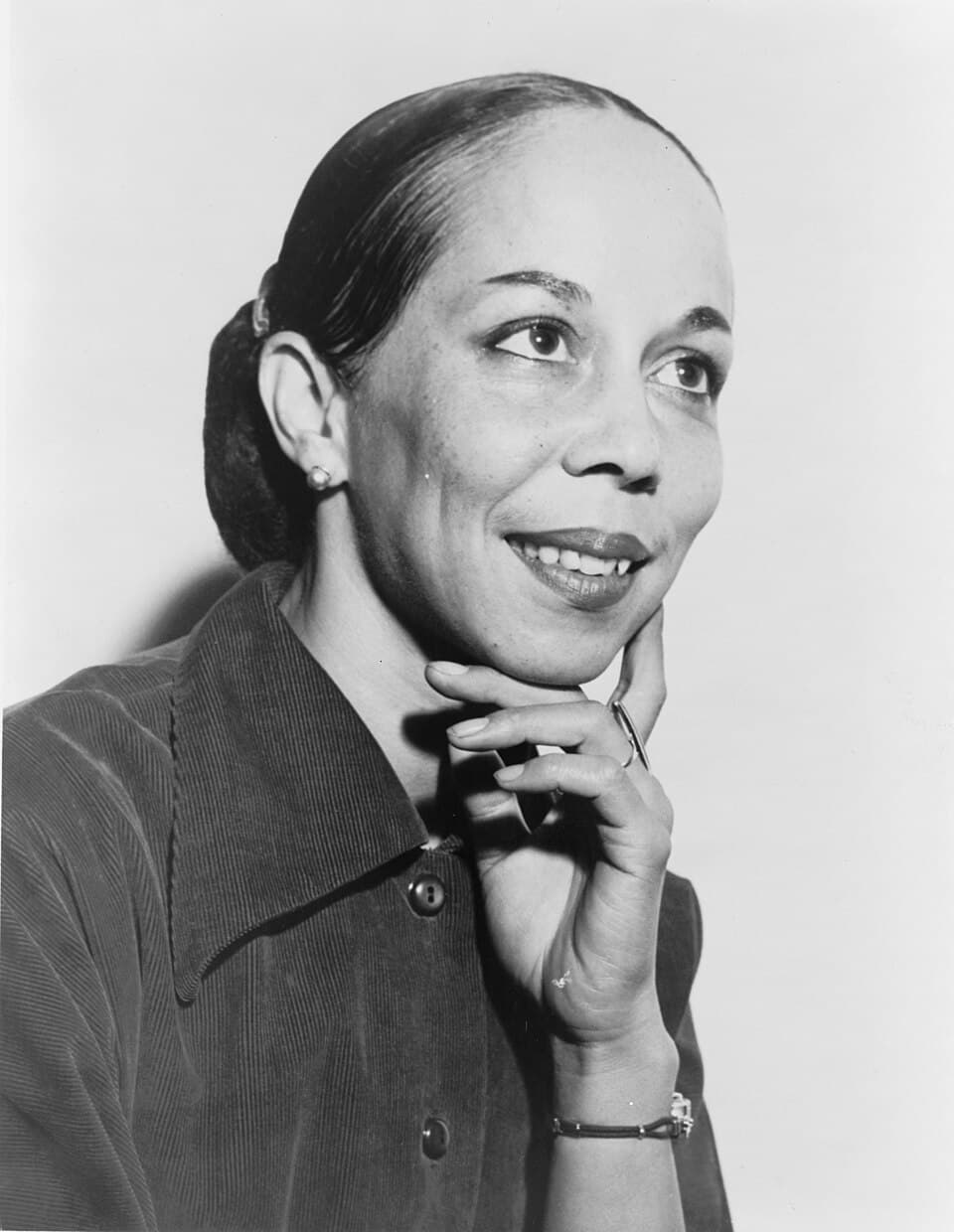
American · Arts
Janet Collins
March 7, 1917 – May 28, 2003
Early Life and Background
Janet Collins was born on March 7, 1917, in New Orleans, Louisiana. She moved with her family to Los Angeles, California, at the age of four. Growing up in a supportive and artistic family, Collins displayed a keen interest in dance from a young age. Despite encountering racial discrimination that was pervasive in early 20th-century America, Collins' determination and talent in dance shone through. Her parents encouraged her passion, and she received formal ballet training, which was not commonly accessible to people of color at the time.
Career Beginnings and Development
Collins' career took off when she began performing with dance companies in Los Angeles. She faced immense challenges due to segregationist policies that kept African Americans out of major ballet companies. In 1932, Collins auditioned for Ballet Russe de Monte Carlo, but was asked to cover herself in white makeup to be accepted—a request she refused. Undeterred, she continued her training and found opportunities in modern dance through companies like Lester Horton Dance Theater.
Major Works and Accomplishments
In 1951, Collins achieved a breakthrough by becoming the first African American prima ballerina at the Metropolitan Opera in New York City, a remarkable achievement that made her a pioneer in the arts. Her performance in Aida was particularly noted for its excellence. During her career at the Met, she performed alongside photographer and future international opera star Leontyne Price. Collins' work demonstrated her versatility and artistic prowess, helping to break down racial barriers in classical ballet.
Awards, Honors, and Recognition
Janet Collins has been recognized posthumously as a trailblazer and role model for African American artists. In 2007, her contributions were honored with a place in the National Museum of Dance's Mr. & Mrs. Cornelius Vanderbilt Whitney Hall of Fame. Collins has inspired many dancers to pursue careers in ballet despite societal and institutional challenges.
Personal Life
Though deeply private about her personal affairs, Collins was known for her dedication to the arts and education. She spent much of her later life teaching and choreographing, fostering the next generation of dancers and helping them overcome the barriers she once faced.
Legacy and Impact
Janet Collins is remembered as a significant figure in American ballet history, not just for her pioneering achievements at the Metropolitan Opera but also for her commitment to advocating racial diversity in the arts. Her courage to stand against racism and her artistry helped pave the way for future generations of dancers.
Later Life and Death
After leaving the stage, Collins focused on teaching and choreography. She resided in Seattle, where she continued to influence the world of dance. Janet Collins passed away on May 28, 2003, in Fort Worth, Texas, imparting a legacy of resilience and inspiration.
Dated achievements
3 indexed.
- Mar071917Arts
Birth of Janet Collins
Janet Collins was born on March 7, 1917, in New Orleans, Louisiana.
View details Janet Collins' Famous Birthdays Profile - Nov121951Arts
First African American prima ballerina at the Metropolitan Opera
In 1951, Janet Collins became the first African American prima ballerina at the Metropolitan Opera.