← All women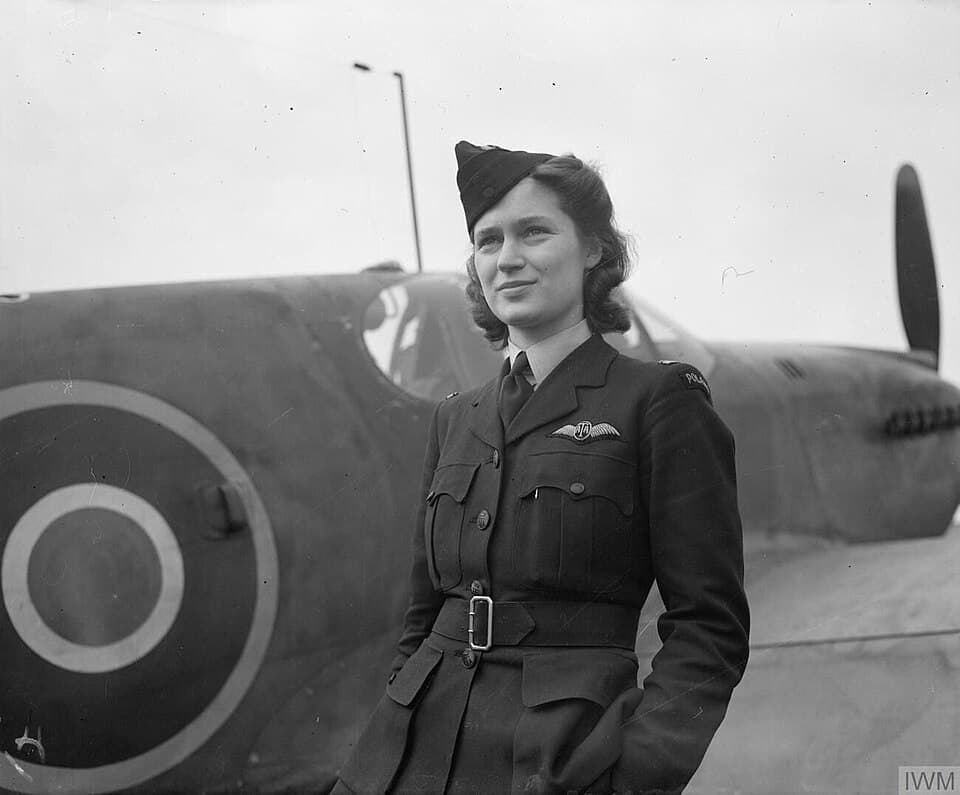
Polish · Aviation
Jadwiga Pilsudska-Jaraczewska
February 28, 1920 – November 16, 2014
Early Life and Background
Jadwiga Piłsudska-Jaraczewska was born on February 28, 1920, in Warsaw, Poland. She was the younger daughter of Józef Piłsudski, a revered Polish statesman and architect of independent Poland following World War I, and his wife Aleksandra Szczerbińska. Growing up in a highly prestigious family, Jadwiga was instilled with a strong sense of patriotism and duty toward her country. This environment fostered her early interest in aviation, a field that was still in its pioneering stages.
Career Beginnings and Development
By the age of 18, Jadwiga had become an accomplished glider pilot, reflecting her dedication to aviation. It was this proficiency that led her to flee Poland during the early days of World War II, seeking to harness her skills for the war effort against Nazi Germany. She managed to make her way to Britain, where her flying talents would soon be recognized and put to use.
Major Works and Achievements
During World War II, Jadwiga joined the Air Transport Auxiliary (ATA) in Britain, a civilian organization that ferried military aircraft across the UK. Joining the ATA was no small achievement, as she became one of only a few women pilots in this role, breaking the traditional gender barriers in aviation at the time. Her contribution was critical, ensuring that military aircraft were delivered where they were needed most, thus indirectly supporting the Allied combat efforts.
Awards and Honors
While specific awards and honors directly received by Piłsudska-Jaraczewska during her life are not extensively documented, her role as an ATA pilot is a significant honor, and her service was recognized within the Polish and aviator communities post-war for its historical significance.
Personal Life
After the war, Jadwiga decided to settle in the United Kingdom, where she met her husband, Andrzej Jaraczewski. Together they had two children. She later pursued a degree in architecture, eventually working in the field while maintaining her advocacy for Polish independence and heritage.
Legacy and Historical Impact
Jadwiga Piłsudska-Jaraczewska's legacy is defined by her remarkable transition from the daughter of a significant Polish leader to a pioneering female aviator and an influential advocate of Polish culture. Her story of overcoming adversity, as well as the gender barriers inherent in aviation at the time, continues to inspire future generations in both Poland and the aviation community worldwide.
Later Life and Death
Jadwiga returned to Poland after the fall of communism in 1990, resuming her role as a prominent figure representing Polish independence and contributing to national heritage preservation. She lived out her final years in Warsaw and passed away on November 16, 2014, leaving behind a legacy of courage, service, and an enduring commitment to her nation's history.
Dated achievements
2 indexed.
- Feb281920Aviation
Birth of Jadwiga Piłsudska
Jadwiga Piłsudska was born in Warsaw, Poland, as the younger daughter of Marshal Józef Piłsudski.
View details Jadwiga Piłsudska - Wikipedia - Nov162014Aviation
Death of Jadwiga Piłsudska-Jaraczewska
Jadwiga Piłsudska-Jaraczewska passed away at the age of 94 in Warsaw, Poland.