← All women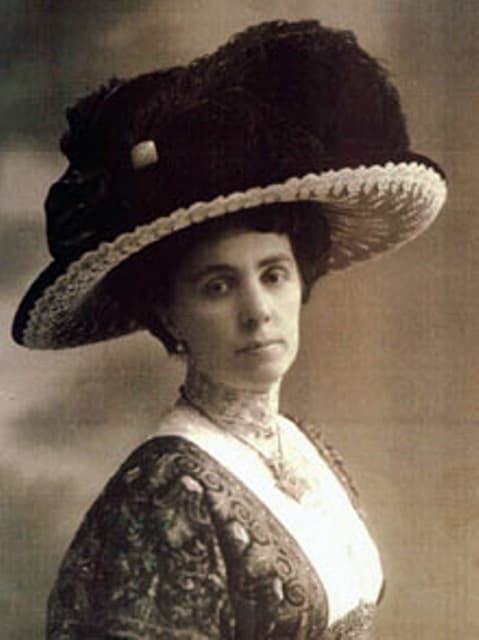
Croatian · Literature · Arts
Ivana Brlić-Mažuranić
April 18, 1874 – September 21, 1938
Early Life and Background
Ivana Brlić-Mažuranić was born on April 18, 1874, in Ogulin, Croatia, into a prominent and literary family. Her grandfather, Ivan Mažuranić, was a poet and the first Croatian ban not of noble birth, influencing Ivana’s early exposure to literature and Croatian national identity. Her father, Vladimir Mažuranić, was a law professor and writer, further nurturing her intellectual upbringing.
Ivana was home-schooled by tutors, which was customary for women of her generation. Despite societal constraints on women's education at the time, her family environment provided her with a robust foundation in literature and philosophy, sparking her lifelong passion for storytelling.
Career Beginnings and Development
Brlić-Mažuranić began her literary career unofficially while caring for her six children. Her early works were published in periodicals, gradually gaining her recognition. Her debut major work, "Valjani i nevaljani", signaled her entry into the world of children's literature.
Major Works and Accomplishments
The publication of "Priče iz davnine" ("Tales of Long Ago") in 1916 marked a monumental breakthrough in her career. This collection drew upon Slavic mythology and folk tales, earning her the moniker of the "Croatian Andersen." Her storytelling was rich with imagination and depth, resonating with both children and adults globally. Her works emphasized universal themes wrapped in whimsical narratives and cultural folklore.
Brlić-Mažuranić's international acclaim reached new heights with her nomination for the Nobel Prize in Literature, a testament to her profound impact and contribution to global literature. While she did not win the award, her works continued to be celebrated and translated into numerous languages.
Awards, Honors, and Recognition
Ivana Brlić-Mažuranić was twice nominated for the Nobel Prize in Literature (1931, 1938), reflecting her standing as a literary figure of global importance. Her contributions established her as one of Croatia's most cherished and influential writers.
Personal Life
In 1892, Ivana married Vatroslav Brlić, a notable intellectual and politician. The couple had six children, and Ivana effectively balanced her familial responsibilities with her burgeoning literary career. Her personal experiences and roles as a mother deeply influenced her narrative style and themes.
Legacy and Historical Impact
Ivana Brlić-Mažuranić's legacy as the "Croatian Tolkien" or "Andersen" remains deeply embedded in Croatian culture and literature. Her innovative blending of traditional folklore with modern narrative techniques set a standard for children’s literature that inspired future generations of writers. Schools and literary institutions in Croatia continue to celebrate her contributions, keeping her stories alive within the cultural fabric.
Later Life and Death
Inevitably impacted by the societal and personal pressures of her time, Ivana Brlić-Mažuranić faced bouts of depression throughout her life. Her struggle with mental health culminated in her suicide on September 21, 1938, in Zagreb, Croatia. Her death evoked a profound sense of loss in the literary world, but her works continue to captivate readers across the globe.
Dated achievements
2 indexed.
- Apr181874Literature
Birth of Ivana Brlić-Mažuranić
Ivana Brlić-Mažuranić was born on April 18, 1874, in Ogulin, Croatia.
View details Wikipedia - Sep211938Literature
Death of Ivana Brlić-Mažuranić
Ivana Brlić-Mažuranić passed away on September 21, 1938, in Zagreb, Croatia.
View details