← All women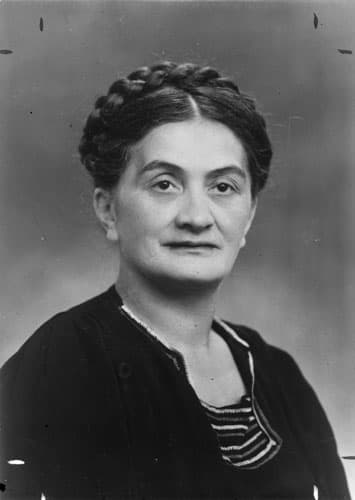
New Zealand · Politics · Activism
Iriaka Matiu Ratana
February 25, 1905 – December 21, 1981
Early Life and Background
Iriaka Matiu Rātana was born on February 25, 1905, in Whangaehu, a village in the Manawatū-Whanganui region of New Zealand. Born into a Māori family, she was part of the Ngati Apa and Ngā Rauru iwi (tribes). Her upbringing in a culturally rich environment instilled in her a profound understanding of the challenges faced by Māori communities, laying the foundation for her future political and activist endeavors.
Career Beginnings and Development
Rātana began her career involved in community service, closely linking her efforts with the Rātana movement, a Māori religious and political movement established by her father-in-law, Tahupōtiki Wiremu Rātana. Her marriage to Matiu Rātana further cemented her role in this movement. Initially, she acted behind the scenes, supporting her husband's work, until his untimely death in 1949.
Major Works, Discoveries, or Accomplishments
Following Matiu Rātana's death, Iriaka Matiu Rātana ran for his parliamentary seat in a by-election and became the first woman elected as a Māori Member of Parliament, representing the Western Maori electorate. Her election on November 29, 1949, was a groundbreaking achievement in New Zealand's political landscape. Rātana served as an MP for over two decades until her retirement in 1969.
As an MP, she focused on issues such as healthcare, education, and social welfare for Māori people, successfully advocating for policy changes that would provide greater equity for Māori communities. Her efforts contributed to raising awareness and addressing systemic issues faced by Māori in New Zealand society.
Awards, Honors, and Recognition
Throughout her tenure, Rātana was acknowledged for her advocacy and dedication to her constituents. While specific awards during her lifetime were not numerous, her recognition came primarily from the lasting impact she had on New Zealand politics and Māori representation.
Personal Life
Rātana was married to Matiu Rātana, also a significant figure in the religious and political spheres. Their partnership was characterized by mutual support and shared goals for the betterment of Māori people through political means. After Matiu's death, Iriaka raised her children while managing her responsibilities as an MP, demonstrating her commitment to both family and public duty.
Legacy and Historical Impact
Rātana's legacy is one of breaking barriers and paving the way for future generations of Māori women in politics. Her role in Parliament highlighted the importance of Māori voices in governance and laid the groundwork for subsequent policy changes favoring indigenous rights. She inspired many Māori women to pursue political careers and engage in activism for social justice.
Later Life and Death
After retiring from politics in 1969, Rātana continued to be involved in community affairs until her death on December 21, 1981. While her later years were quieter, she remained a respected figure within the Māori community and across New Zealand for her pioneering contributions to bridging cultural divides and advocating for equitable treatment of Māori people.
Dated achievements
2 indexed.
- Feb251905Politics
Birth of Iriaka Matiu Rātana
Born on February 25, 1905, in Whangaehu, New Zealand.
View details Rātana, Iriaka Matiu | Biography - Nov291949Politics
First Female Māori MP Elected
On November 29, 1949, Iriaka Rātana was elected as the first female Māori Member of Parliament in New Zealand.