← All women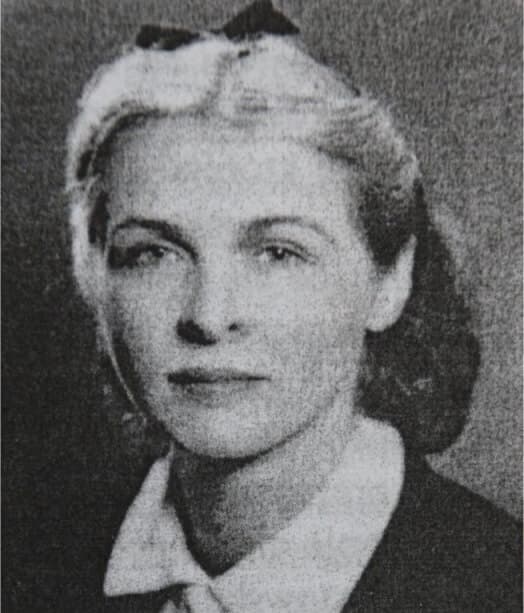
Polish · Politics · Activism · Law
Irena Iłłakowicz
December 26, 1906 – October 4, 1943
Early Life and Background
Irena Iłłakowicz was born on December 26, 1906, into a prominent Polish family in Vilnius, then part of the Russian Empire. Her upbringing was steeped in the ideals of Polish patriotism, which influenced her later life. She pursued her education in Warsaw and eventually studied law and political science in Switzerland, equipping her with skills essential for her future in intelligence and resistance work.
Career Beginnings and Development
During the interwar period, Irena married Olgierd Iłłakowicz, with whom she shared a deep commitment to Poland's independence and sovereignty. Her legal education and fluency in several languages attracted the attention of Polish military intelligence. As tensions in Europe escalated, she soon became involved in intelligence operations, serving primarily in pre-war Poland and later, during the Nazi occupation.
Major Works and Accomplishments
With the outbreak of World War II, Irena actively engaged with Polish underground networks. She worked with the Polish Home Army (Armia Krajowa), focusing on high-stakes espionage missions crucial to undermining Nazi operations. Her ability to gather and transmit critical intelligence was instrumental in several resistance operations, aiding the Allies' war efforts.
Awards, Honors, and Recognition
Although official recognitions during her lifetime were limited due to the secret nature of her work, posthumously, Irena has been honored and remembered in Poland as a national hero and a symbol of resistance against tyranny. Her bravery and contributions have been celebrated in various historical works and commemorations.
Personal Life
Irena's marriage to Olgierd Iłłakowicz was marked by mutual commitment to public service and nationalistic causes. Despite the turbulent times, they remained devoted partners in the struggle for Poland's freedom. Her personal sacrifices, alongside her public endeavors, highlighted the intertwining of her personal and professional lives.
Legacy and Historical Impact
Irena Iłłakowicz's legacy endures as a testament to the courage and tenacity of women in wartime resistance. Her life's work contributed to the broader efforts to liberate occupied Poland and has inspired generations of Poles committed to safeguarding their country's sovereignty. As a skilled operative, she demonstrated that women could excel in intelligence roles traditionally dominated by men, challenging gender norms of her time.
Later Life and Death
Tragically, Irena's life was cut short on October 4, 1943, when she was assassinated by German agents, a testament to the danger she posed to Nazi efforts in Poland. Her death was a significant loss for the Polish resistance and underscored the perils faced by those who opposed Nazi tyranny. Her enduring spirit continues to inspire efforts in preserving freedom and justice.
Dated achievements
2 indexed.
- Dec261906Politics
Birth of Irena Iłłakowicz
Irena Iłłakowicz was born on December 26, 1906.
View details Wikipedia: Irena Iłłakowicz - Oct041943