← All women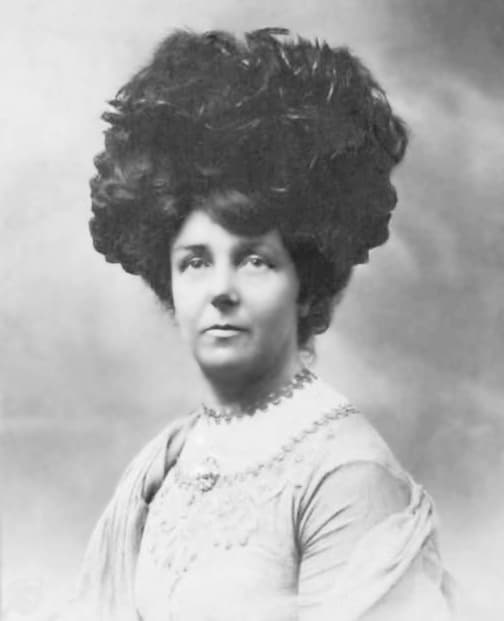
British · Aviation
Hilda Hewlett
February 17, 1864 – August 21, 1943
Early Life and Background
Hilda Beatrice Hewlett was born on February 17, 1864, in Vauxhall, London, to Louisa Herbert and Rev. George W. Herbert. Her father was a vicar, and she grew up in a well-off family, receiving a broad education which was rare for women of her time. She married Maurice Hewlett, a successful novelist, in 1888. However, the marriage was not harmonious, and they eventually parted ways. Hewlett's early exposure to a prosperous lifestyle and her unyielding spirit laid the foundation for future ambitions in a male-dominated world.
Career Beginnings and Development
Hilda Hewlett's interest in aviation was sparked in the early 1900s after meeting engineer Gustave Blondeau. Together, they pursued their passion for flying and founded "Bleriot and Hewlett Ltd" at Brooklands, which became the first flying school in the UK. In 1911, Hewlett became the first British woman to earn a pilot's license, a groundbreaking achievement given the era's societal norms that discouraged women from such pursuits.
Major Works, Discoveries, and Accomplishments
Beyond earning her pilot's license, Hewlett made significant contributions as a co-founder of the UK's first flying school and in aircraft manufacturing. During World War I, her company produced about 800 aircraft for allied forces. Her contributions were pivotal in advancing both civilian and military aviation technology. Hewlett's work extended to training pilots and mechanics, which was crucial during wartime.
Awards, Honors, and Recognition
Hewlett's achievements were celebrated at a time when societal expectations for women were limited. Her recognition came primarily from her peers in aerospace who lauded her efforts in creating robust training programs and manufacturing high-quality aircraft.
Personal Life
Hewlett's personal life was as ambitious as her professional one. She bore two children: Pia Lavater and Sonnet Marie. Despite her separation from Maurice Hewlett, she maintained a fulfilling life with significant personal and professional relationships. Her decision to leave England for New Zealand later in life was a manifestation of her lifelong love for adventure and innovation.
Legacy and Historical Impact
Hilda Hewlett's legacy is one of persistence and pioneering spirit in aviation. As the first woman in Britain to own a pilot's license, she paved the way for future generations of women in aviation. Her role during World War I significantly impacted aviation history, showcasing the important roles women played in technological advancements during wartime.
Later Life and Death
In her later years, Hewlett moved to New Zealand, where she remained active in community and aviation interests until her death on August 21, 1943. Her life was characterized by a fierce independence and drive to push boundaries, leaving a lasting legacy in the world of aviation.
Dated achievements
3 indexed.
- Feb171864Aviation
Birth of Hilda Hewlett
Hilda Hewlett was born on February 17, 1864, in Vauxhall, London.
View details Wikipedia - Aug291911Aviation
First British woman to earn a pilot's license
On August 29, 1911, Hilda Hewlett became the first British woman to earn a pilot's license.
View details