← All women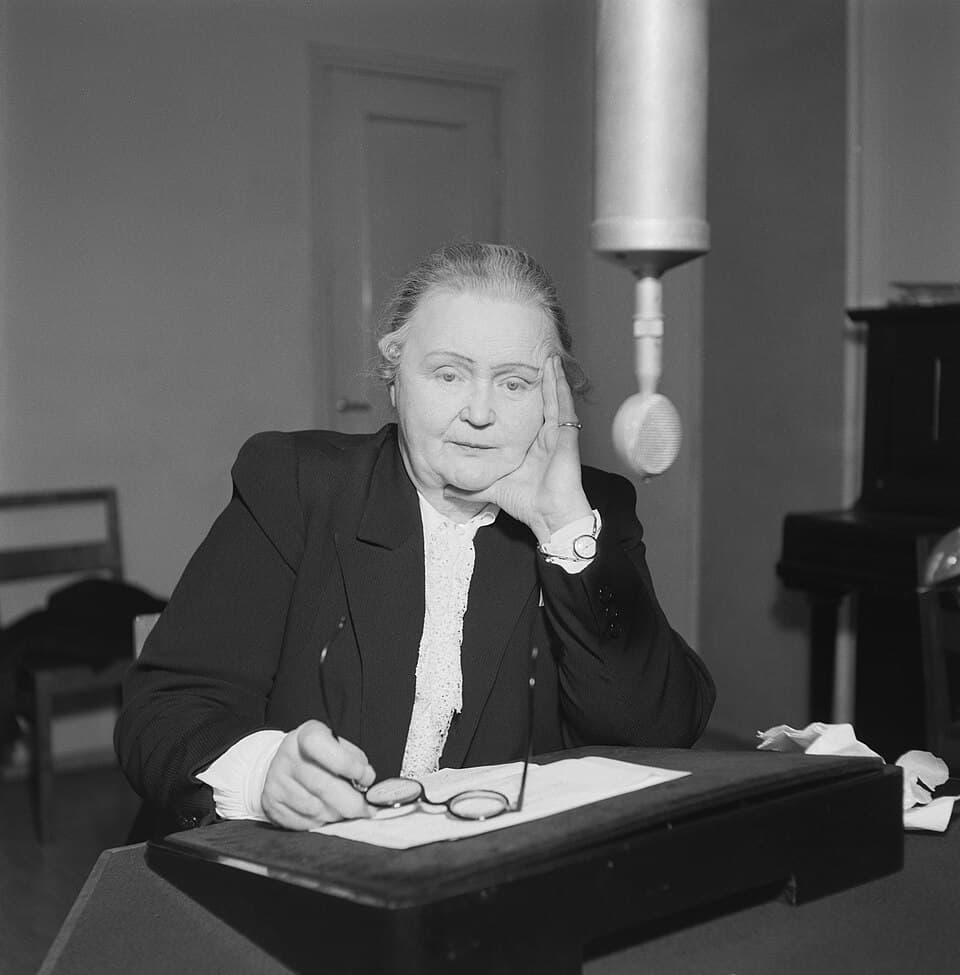
Estonian, Finnish · Arts · Politics · Literature
Hella Wuolijoki
July 22, 1886 – February 2, 1954
Early Life and Background
Hella Wuolijoki was born on July 22, 1886, in Valga, Estonia, which was part of the Russian Empire at the time. Her birth name was Ella Murrik. Raised in a politically active family, she was deeply influenced by the social movements of her time. Hella pursued education first in her hometown and later moved to Tartu, acquiring a strong foundation in literature and humanities.
Career Beginnings and Development
Hella moved to Finland for her university studies in Helsinki, where she ingrained herself in the cultural and political scene. Initially working in journalism, her career took a significant turn when she started writing plays. During the 1930s, her radio plays began gaining national fame, addressing social issues such as women's roles in society and class disparities.
Major Works and Accomplishments
Wuolijoki's most renowned literary work includes the series of plays about the character Niskavuori, emblematic of Finnish rural life. Her works were often laced with socialist themes as she was deeply engaged in leftist politics. She co-wrote the play "Juurakon Hulda," under the pen name Juhani Tervapää, later adapted into the successful Finnish film, "The Farmer's Daughter."
Awards, Honors, and Recognition
Despite facing imprisonment during World War II for political reasons, Wuolijoki's contribution to Finnish literature and political discourse earned her significant recognition. She briefly served as the director of Finland's national broadcasting network, YLE, during the post-war period, influencing Finnish media's development.
Personal Life
Hella married Sulo Wuolijoki, a Finnish engineer, which provided her Finnish citizenship. They had a daughter together, but their marriage encountered difficulties, leading to divorce. Her personal and political life was a testament to her resilience and commitment to her ideals despite numerous challenges.
Legacy and Historical Impact
Hella Wuolijoki's works left a lasting imprint on Finnish art and culture. Her themes of social justice, equality, and women's empowerment resonated across her plays, influencing Finnish literature's evolution. Her political involvement and speeches contributed to discussions about Finland's identity and direction in the mid-20th century.
Later Life and Death
In her later years, Wuolijoki continued writing and remained a cultural icon until her death on February 2, 1954. Her life's work continues to be celebrated for its groundbreaking approach to social themes and its lasting impact on Finnish culture.
Dated achievements
2 indexed.
- Jul221886Literature
Birth of Hella Wuolijoki
Hella Wuolijoki, Estonian-Finnish writer and politician, was born on July 22, 1886.
View details Hella Wuolijoki - Wikipedia - Feb021954Literature
Death of Hella Wuolijoki
Hella Wuolijoki passed away on February 2, 1954, leaving behind a legacy in literature and politics.