← All women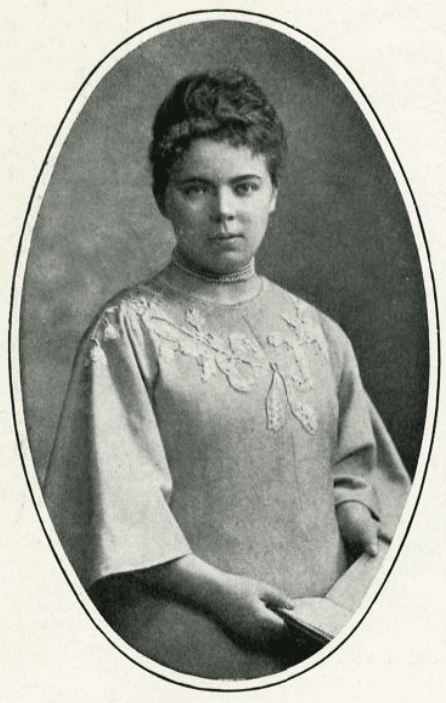
German · Activism · Politics
Helene Stöcker
November 13, 1869 – February 24, 1943
Early Life and Background
Helene Stöcker was born on November 13, 1869, in Elberfeld, Germany, into a devoutly Protestant family. Her upbringing was strict, yet she displayed intellectual promise from an early age. In 1896, she broke from traditional expectations by enrolling at the University of Berlin as one of the premier women in higher education at the time. Her studies in philosophy, literature, and political science laid the groundwork for her future activism.
Career Beginnings and Development
Stöcker's career began in academia, but she soon turned to activism, inspired by the burgeoning women's movement. In the early 1900s, she became involved with the League for the Protection of Mothers. Stöcker's career matured as she became a leading voice for reproductive rights and social reform, challenging traditional gender roles and advocating for women's autonomy over their own bodies.
Major Works and Accomplishments
In 1905, Helene Stöcker founded the League for the Protection of Mothers and Sexual Reform, an organization which sought to support unwed mothers and promote sexual education. She edited and contributed to journals that focused on sexual reform, including "Die Neue Generation." Her work was groundbreaking in advocating for the legalization of abortion and contraception, issues that remain relevant today.
Awards, Honors, and Recognition
Although controversial, Stöcker's efforts received recognition from advocates of social reform and feminism, both during her lifetime and posthumously. Her pioneering advocacy for women's and reproductive rights continues to be recognized by feminist historians as a crucial component of the early feminist movement.
Personal Life
Stöcker was never married, choosing instead a life dedicated to activism and scholarly pursuits. Her personal life reflected her beliefs about women's independence and sexual freedom, challenging societal norms of her time.
Legacy and Historical Impact
Helene Stöcker's legacy is most significantly reflected in the ongoing global advocacy for women's rights and reproductive freedom. Her ability to challenge societal norms laid a foundation for future generations to continue her work. Her commitment to pacifism and human rights has likewise influenced subsequent movements advocating for peace and equality.
Later Life and Death
After the rise of the Nazi regime, Stöcker fled Germany due to her pacifist stance and Jewish ancestry. She lived in Switzerland, then Norway, and later moved to the United States during World War II. Helene Stöcker passed away on February 24, 1943, in New York City, leaving behind a legacy of social reform and feminist advocacy that continues to inspire activists around the world today.
Dated achievements
1 indexed.
- Nov131869Activism
Helene Stöcker's Birthdate
Helene Stöcker was born on November 13, 1869, in Elberfeld, Germany.
View details Wikipedia