← All women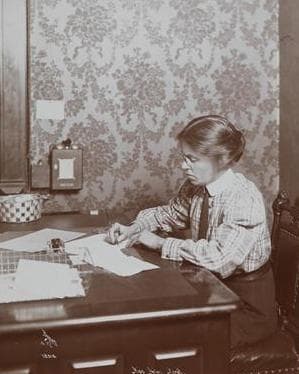
American · Activism · Literature
Helen Marot
June 9, 1865 – June 3, 1940
Early Life and Background
Helen Marot was born on June 9, 1865, in Philadelphia, Pennsylvania. The daughter of a thinker and writer himself, Edward Payson Marot, Helen was raised in an environment abundant in intellectual pursuits. Her interest in social reform and justice was ignited early on through her family's progressive ideals and involvement in the arts.
Career Beginnings and Development
Marot started her professional journey as a librarian, during which she developed a keen interest in the socio-economic challenges faced by the working class. Her experiences led her to write extensively about social issues. By the late 1890s, she was involved in researching labor conditions, particularly focusing on the plight of women and children.
Major Works and Accomplishments
One of her most significant contributions was her role as the executive secretary for the New York City chapter of the Women’s Trade Union League, where she campaigned vigorously for women's labor rights. Marot's work culminated in the publication of 'The Handbook of Labor Literature' in 1899, which showcased her comprehensive understanding of labor issues.
Activism and Influence
In the labor strike of 1909-1910, known as the Uprising of the 20,000, she played a pivotal role in supporting shirtwaist workers, helping to garner broader support for their cause. This involvement solidified her status as an influential labor organizer.
Awards and Recognition
While not a recipient of formal awards, Helen Marot's contributions to labor reform have been recognized by historians and activists alike as formative in advancing workplace rights for women and children.
Personal Life
Marot was known for her close personal and professional relationships, including her association with Caroline Pratt, an influential educator. Together, they contributed significantly to educational reform.
Legacy and Historical Impact
Helen Marot's legacy as a labor organizer and advocate for education reform continues to be celebrated. Her pioneering efforts in the early 20th century have inspired generations of activists and labor leaders aiming to negotiate and secure better standards for workers.
Later Life and Death
Despite retiring from most public work later in life, Marot continued to influence social policies until her death on June 3, 1940. Her lifelong commitment to activism is reflected in the institutions and reforms she helped establish, enduring long after her passing.
Dated achievements
2 indexed.
- Jun091865Activism
Birth of Helen Marot
Helen Marot was born on June 9, 1865, in Philadelphia, Pennsylvania.
View details Helen Marot - Spartacus Educational - Jun031940Activism
Death of Helen Marot
Helen Marot died on June 3, 1940, leaving a legacy as a labor organizer and advocate for educational reform.
View details