← All women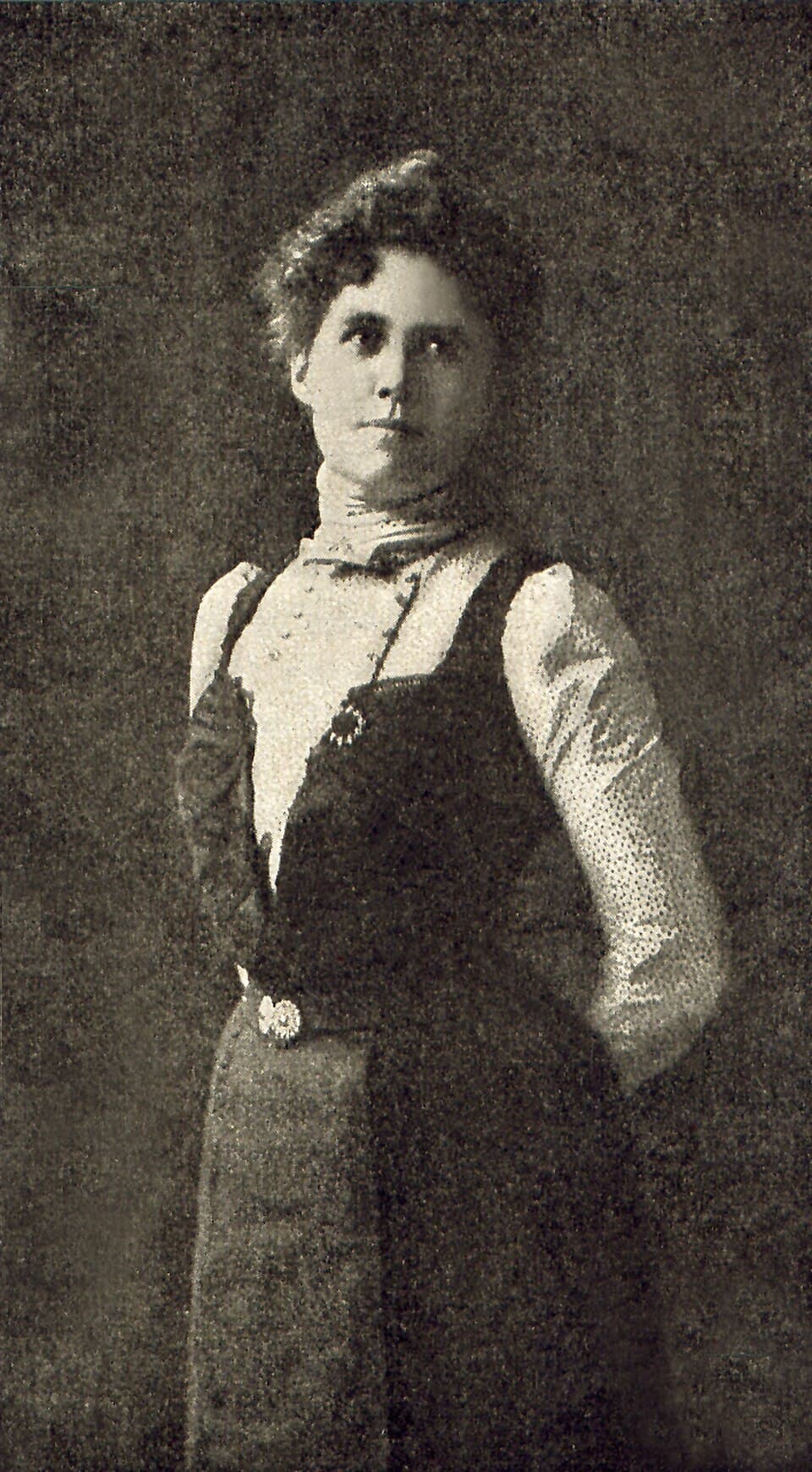
American · Literature · Exploration · Arts
Helen Churchill Candee
October 5, 1858 – August 23, 1949
Early Life and Background
Helen Churchill Candee was born on October 5, 1858, in New York City. She was raised in a prosperous family and received a quality education that allowed her to explore diverse intellectual pursuits.
Candee's early life was influenced by the cultural richness of her upbringing, which paved the way for her later career in writing and the decorative arts. Her education included travel and exposure to European art and culture, which significantly shaped her worldview.
Career Beginnings and Development
Helen began her career as a writer and journalist in the late 19th century. She wrote for various newspapers and magazines, discussing social and cultural topics. Her works often focused on women's rights and education, making her an important voice in the early feminist movement.
Her passion for interior design led her to become one of the first women to formally practice the profession, authoring influential books on the subject, including "Decorative Styles and Periods" in 1906.
Major Works and Accomplishments
Candee authored several popular books, such as "How Women May Earn a Living," first published in 1900, which highlighted various career paths for women, long before it became a mainstream topic. She was also known for her travel writings, notably her exploration and documentation of Angkor Wat in "Angkor the Magnificent," published in 1924.
Her contribution to literature extended to survival accounts, as she wrote about her experience surviving the Titanic disaster in 1912. This event, which she chronicled in her articles and books, provided both personal insight and historical documentation.
Awards, Honors, and Recognition
While Helen did not receive formal awards, her work was widely recognized in literary and social circles. She was actively involved in the Pen and Brush Club, a women's executive council that supported female writers and artists.
Personal Life
Helen was married to Edward Candee, but the marriage ended in separation. She raised two children as a single mother while maintaining her literary and arts career, showcasing the challenges and resilience of professional women at the time.
Legacy and Historical Impact
Helen Churchill Candee is remembered for her advocacy of women's issues and her pioneering role in literature and interior design. Her works provided insightful perspectives on education and career opportunities for women and inspired future generations of female writers and decorators.
As a survivor of the Titanic, her accounts contributed to the cultural lore surrounding the event and highlighted her as a figure of great fortitude.
Later Life and Death
In her later years, Helen continued to write and remain socially active, spending her time between Europe and America. She passed away on August 23, 1949, leaving behind a rich legacy of literary and design achievements that continue to resonate today.
Dated achievements
2 indexed.
- Oct051858Literature
Helen Churchill Candee was born
Helen Churchill Candee was born on October 5, 1858, in New York City, marking the beginning of the life of a significant author and Titanic survivor.
View details Wikipedia - Helen Churchill Candee - Aug231949Literature
Helen Churchill Candee passed away
Helen Churchill Candee passed away on August 23, 1949, in York Village, Maine, leaving a legacy in literature and the arts.