← All women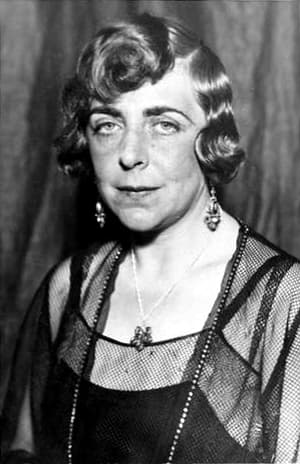
Austrian, American · Literature · Arts
Hedwig ‘Vickie’ Baum
January 24, 1888 – August 29, 1960
Early Life and Background
Vicki Baum, born Hedwig Baum on January 24, 1888, in Vienna, Austria, was raised in a financially struggling Jewish family. Her father, Hermann Baum, was a civil servant, and her mother, Mathilde Donath, had a profound influence on her early life, fostering her interests in music and literature. Baum attended the Vienna Conservatory, fully intending to become a musician before the allure of writing captured her interest.
Career Beginnings and Development
Baum's career began in journalism and fiction writing, contributing pieces to magazines and literary journals. During the post-World War I era, she worked for the Ullstein publishing house in Berlin, where she published her first novels. Real recognition came with her novel "Menschen im Hotel" ("Grand Hotel"), published in 1929. The novel's success was so immense that it was adapted for both stage and screen, notably becoming an Academy Award-winning film in 1932.
Major Works and Achievements
"Grand Hotel" was Baum's breakout novel, leading her to be dubbed the "Queen of Zeitroman," a term referring to novels of the times that depicted contemporary life. Her works often explored themes of social anxiety, the disenchantment of urban life, and interpersonal relationships. Throughout her career, Baum wrote over 50 novels, some of which were bestsellers, including "Helene Willfüer" and "Hotel Shanghai." She was a pioneer in this genre, capturing the complexities of modern life with deep empathy.
Awards and Honors
Though specific prestigious awards during her life were limited, Baum's adaptation of "Grand Hotel" for the American stage and Hollywood screen was a testament to her impact in multiple artistic fields. Her ability to cross cultural barriers and appeal to international audiences was itself a major accomplishment during a time of rising global tensions.
Personal Life
Baum married twice; her first marriage was to Max Prels, a journalist, but it was short-lived. Her second husband, Richard Lert, was a conductor, and their marriage lasted until her death. Vicki and Richard had two sons, who grew up during the tumultuous period leading up to World War II.
Legacy and Historical Impact
Vicki Baum's legacy is significant in the realm of literature. Her novels are notable for their vivid portrayal of urban life and their thoughtful critique of societal norms during the early 20th century. Her pioneering style in writing about individuals caught in the machinery of modern city life paved the way for a broader acceptance of literary works depicting the struggles of the everyday person.
Later Life and Death
Amidst the rise of the Nazi regime in Germany, Baum moved to the United States in 1932, where she continued her writing career. Settling in Los Angeles, she became part of the Hollywood literary scene until her death on August 29, 1960. Baum continued to write prolifically, leaving behind a significant body of work that continued to inspire long after her passing.
Dated achievements
1 indexed.
- Jan241888Literature
Birth of Vicki Baum
Vicki Baum was born on January 24, 1888, in Vienna, Austria.
View details Jewish Women's Archive