← All women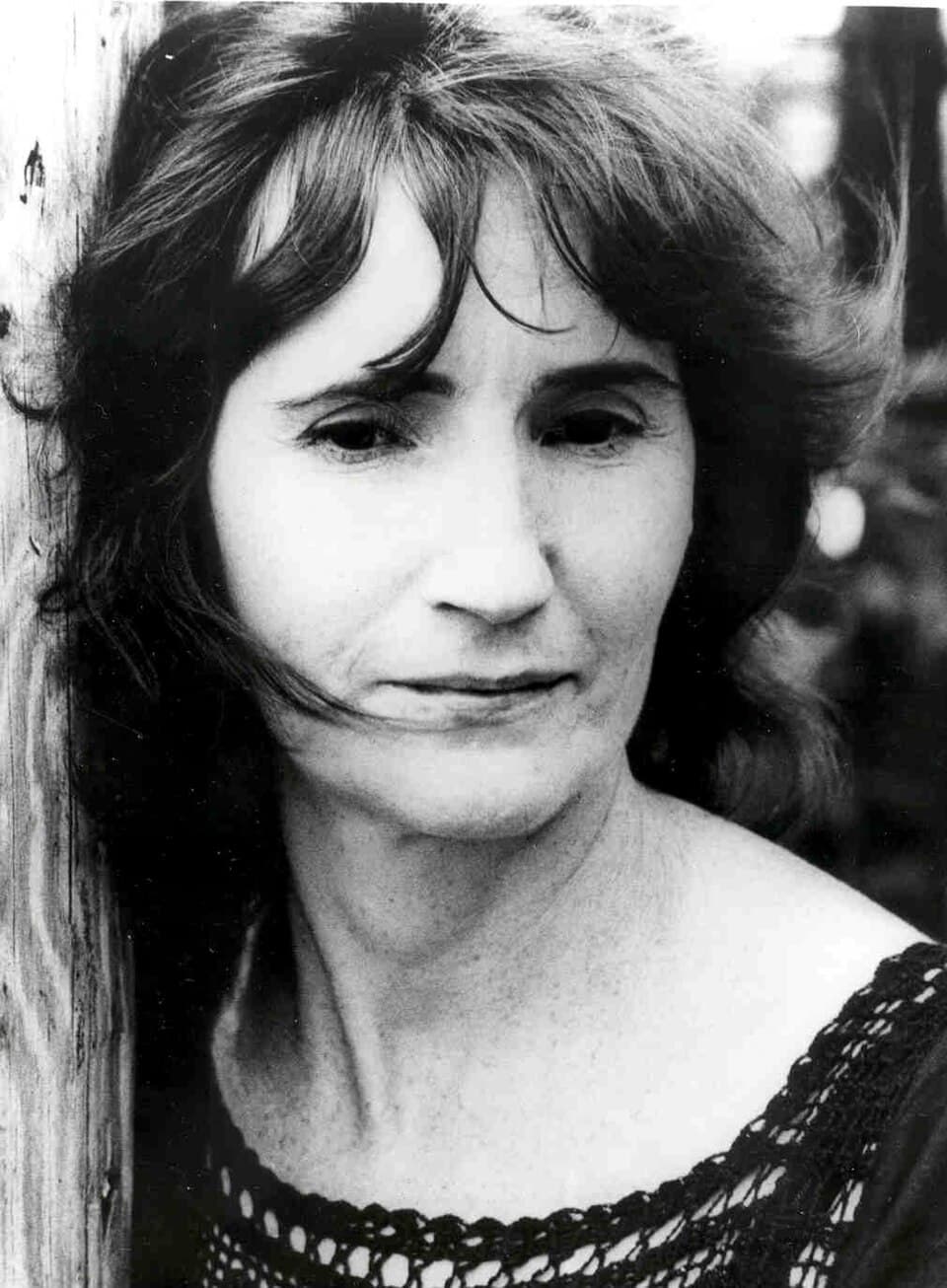
American · Arts · Activism
Hazel Dickens
June 1, 1935 – April 22, 2011
Early Life and Background
Hazel Jane Dickens was born on June 1, 1935, in Montcalm, West Virginia, into a mining family. She was the eighth of eleven children. Her father, a coal miner and Primitive Baptist preacher, and her mother's experiences shaped her understanding of hardship and resilience. Growing up in a coal mining town, she was exposed to the raw challenges of working-class life, which later influenced her musical themes.
Career Beginnings and Development
Hazel moved to Baltimore during the 1950s, where she began playing music seriously. She first gained notice within local music circles, performing at social gatherings, and quickly immersed herself in the bluegrass scene. Her collaboration with Alice Gerrard in the 1960s marked a significant point in her career as they formed the duo Hazel and Alice, which became known for its strong harmonies and feminist themes.
Major Works and Accomplishments
Throughout the 1960s and 1970s, Dickens was known for songs that championed miners and the working class, such as "Black Lung," highlighting the struggles of coal miners. Her albums with Alice Gerrard, such as "Hazel & Alice," are seminal works that provided a new voice for women in bluegrass. Her solo projects, including the influential album "Hard Hitting Songs for Hard Hit People," continued that legacy.
Awards, Honors, and Recognition
In 2001, Dickens was awarded a National Heritage Fellowship by the National Endowment for the Arts, the highest honor in folk music in the United States. This recognition underscored her contributions to American music and her role in elevating bluegrass as a respected genre with a thoughtful, socially conscious edge.
Personal Life
Hazel Dickens was a private individual whose personal life was deeply intertwined with her music. She never married, and her songs often reflected personal loss and sorrow, resonating with the struggles faced by many in Appalachia.
Legacy and Historical Impact
Hazel Dickens is remembered as a trailblazer in bluegrass music, breaking gender barriers, and using her music as a platform for social change. Her powerful voice and poignant lyrics have inspired countless artists and activists. She is seen as a symbol of advocacy for miner’s rights and gender equality in music.
Later Life and Death
In her later years, Dickens continued to perform and engage with her audience, reinforcing her commitment to the causes she believed in. She passed away on April 22, 2011, in Washington D.C., leaving behind a powerful legacy of music and activism.
Dated achievements
2 indexed.
- Jun011935Arts
Birth of Hazel Dickens
Born in Montcalm, West Virginia, to a mining family.
View details West Virginia Encyclopedia - Apr222011Arts
Death of Hazel Dickens
Hazel Dickens passed away in Washington D.C. at the age of 75.
View details