← All women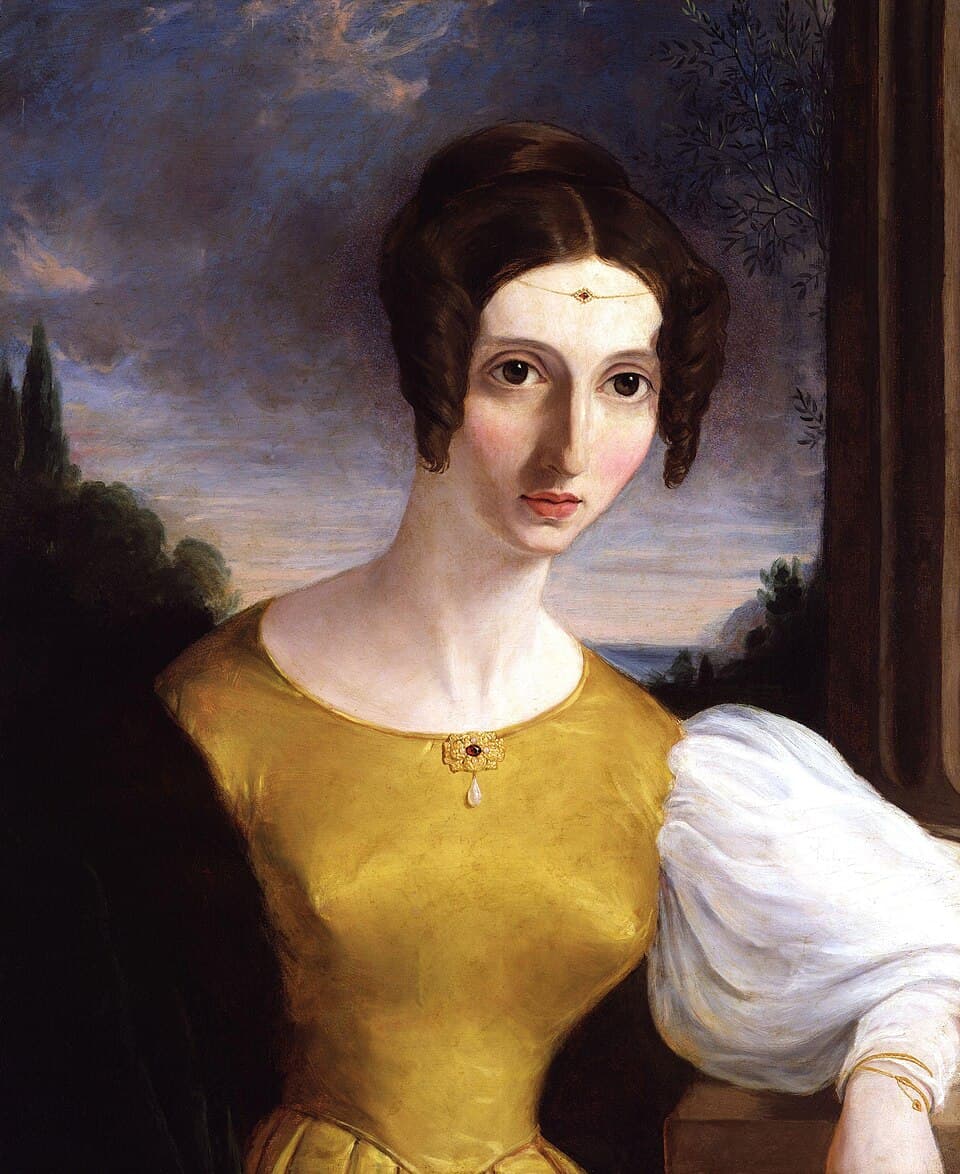
British · Activism · Literature
Harriet Taylor Mill
October 8, 1807 – November 3, 1858
Early Life and Background
Harriet Taylor Mill was born on October 8, 1807, in London, into a middle-class family. Her early education was not formally structured due to restrictive norms for women at the time, yet she demonstrated an early aptitude for critical thought and philosophy. Her exposure to radical ideas was influenced by the political climate of 19th-century England and her friendships with intellectual peers.
Career Beginnings and Development
Although Harriet Taylor Mill's formal writing career did not commence until later in life, her early discussions with radicals and reformists, including her influence on the Christian Socialist movement, structured her theoretical foundations. She became closely associated with philosopher John Stuart Mill in a collaborative intellectual partnership that began in the late 1820s, contributing significantly to his works.
Major Works and Accomplishments
Taylor Mill's publications were largely essays on social issues, with a keen focus on gender equality. Her most notable work includes "The Enfranchisement of Women" (1851), advocating for women's rights to vote and societal participation. Her philosophical collaboration with John Stuart Mill notably influenced his seminal book, "The Subjection of Women," where her thoughts on equality and marriage were evident.
Awards, Honors, and Recognition
During her lifetime, Harriet Taylor Mill did not receive formal awards or honors, reflective of societal constraints on recognizing women's contributions. Her posthumous recognition includes citations by feminist movements and literature as a pioneering advocate for gender equity.
Personal Life
In 1833, Taylor Mill separated from her husband John Taylor, maintaining an intellectual and non-traditional partnership with John Stuart Mill despite societal disapproval. They officially married in 1851. Her marriage structure itself became a statement on marital equality, challenging contemporary norms.
Legacy and Historical Impact
Harriet Taylor Mill shaped philosophical discourse through her persistent advocacy for women's rights and contributions to major texts in collaborative efforts with John Stuart Mill. Her intellectual legacy continued to inspire the suffrage and feminist movements. The Institute of Education in London honors her name, highlighting her impact on equality in higher education.
Later Life and Death
Harriet Taylor Mill's final years were marked by ill health, exacerbated by London's polluted environment. She traveled seeking medicinal climate benefits without success. Taylor Mill died in Avignon, France, on November 3, 1858, leaving behind a legacy of social change literature that continues to resonate.
Dated achievements
1 indexed.
- Oct081807Activism
Birthday of Harriet Taylor Mill
Harriet Taylor Mill was born in London on October 8, 1807.
View details Harriet Taylor Mill - Britannica