← All women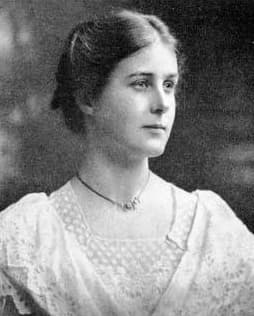
British · Literature
Harriet Shaw Weaver
September 1, 1876 – October 14, 1961
Early Life and Background
Harriet Shaw Weaver was born on September 1, 1876, in Frodsham, Cheshire, England, into a wealthy family. Her parents, Frederic and Mary Weaver, ensured she received a privileged education, which included private tutoring and boarding school in Hampstead. Influenced by the burgeoning suffrage movement and socialism, Weaver developed a keen intellectual interest early on, particularly in political and literary subjects.
Career Beginnings and Development
Weaver's editorial career began when she decided to use her inheritance to foster literary and political causes she believed in. She became involved with 'The Freewoman', a feminist review, and later took charge of its successor, 'The New Freewoman', where she began a significant professional association with Ezra Pound. The magazine rebranded to 'The Egoist' in 1914, with Weaver serving as editor, and became a crucial platform for modernist literature, publishing works by T.S. Eliot and James Joyce.
Major Works, Discoveries, or Accomplishments
One of Harriet Shaw Weaver's most significant career moves was her unwavering support for James Joyce. She first published his work in 'The Egoist', and later helped fund his major works including 'Ulysses'. Her role as his patron was vital to his literary success, as she not only supported him financially but also assisted in navigating the complexities of publishing his controversial work.
Awards, Honors, and Recognition
Although not formally recognized with awards during her lifetime, Weaver's contribution to literature was acknowledged through her election as a Fellow of the Royal Society of Literature. Her legacy endures in the literary world through her transformative influence on the publication of modernist works.
Personal Life
Remaining unmarried throughout her life, Weaver maintained close friendships and professional relationships with notable literary figures of her time. Her personal convictions and independence were reflected in her commitment to progressive political causes and literary innovation.
Legacy and Historical Impact
Weaver's impact on literature is profound; her support of James Joyce and other authors significantly influenced the modernist movement. Through her editorial work and patronage, she helped launch groundbreaking texts that shifted literary paradigms. Her commitment to these artists allowed for some of the 20th century's most pivotal works to reach publication and readership despite contemporary societal barriers against such avant-garde expressions.
Later Life and Death
As she aged, Weaver withdrew from her active roles but continued to influence through philanthropy and advice. Harriet Shaw Weaver passed away on October 14, 1961, having left behind a legacy of advancement in feminist and literary fields.
Dated achievements
2 indexed.
- Sep011876Literature
Birth of Harriet Shaw Weaver
Harriet Shaw Weaver was born on September 1, 1876, in Cheshire, England.
View details Wikipedia - Harriet Shaw Weaver - Oct141961Literature
Death of Harriet Shaw Weaver
Harriet Shaw Weaver passed away on October 14, 1961.
View details