← All women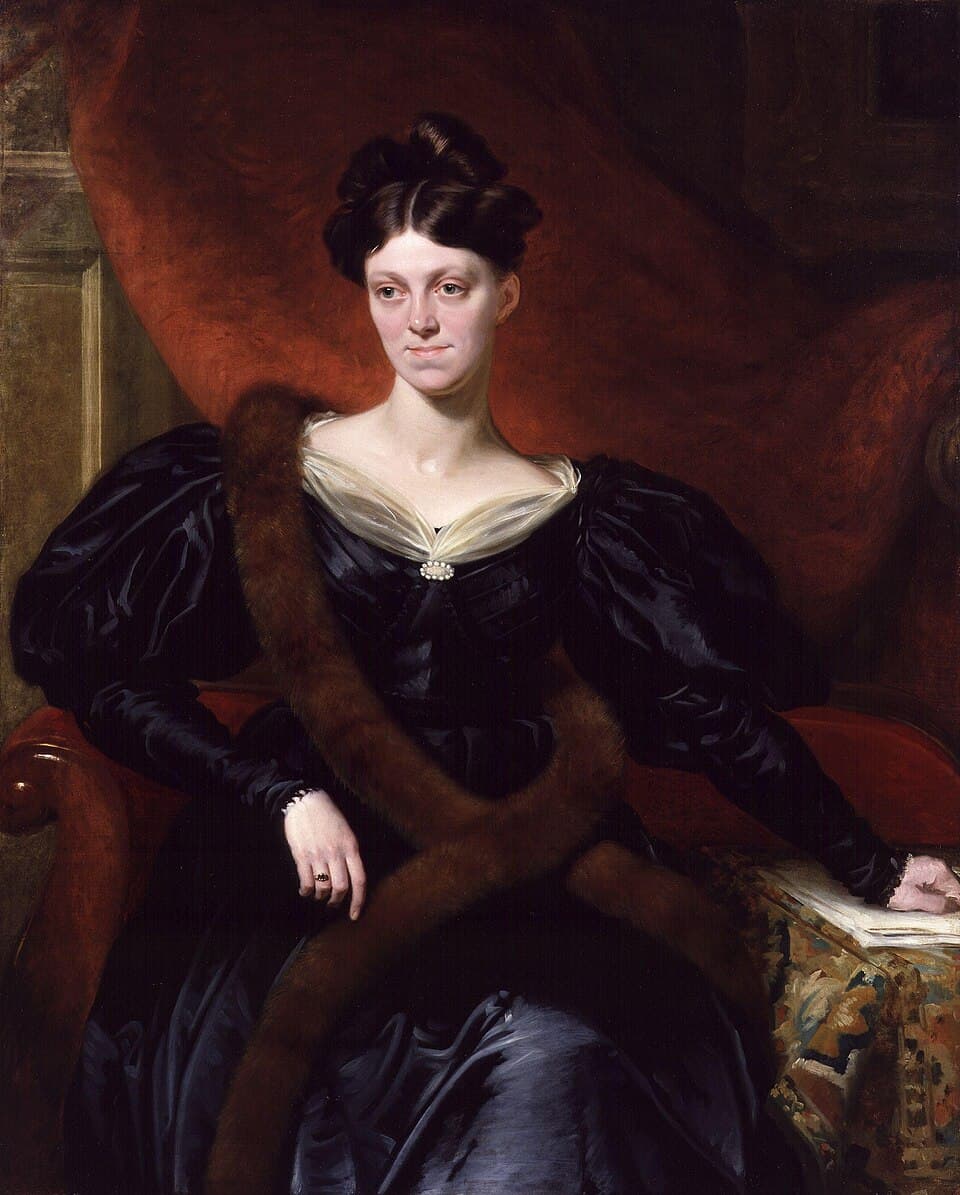
British · Science · Activism · Literature
Harriet Martineau
June 12, 1802 – June 27, 1876
Early Life and Background
Harriet Martineau was born on June 12, 1802, in Norwich, England, into a large and well-educated family. Her father, Thomas, was a textile manufacturer, while her mother, Elizabeth, was known for her intellectual capacity. Harriet experienced partial deafness from a young age, which likely influenced her pursuit of writing as a primary form of communication and expression. Her education was progressive for a woman of her time, encompassing subjects such as politics, economics, and languages.
Career Beginnings and Development
Martineau's writing career began in the 1820s with articles for religious and women's periodicals. By the 1830s, she had turned her attention to the burgeoning field of social science, translating complex economic theories into accessible narratives for the wider public. Known for her clear and engaging writing style, she published a series of works titled "Illustrations of Political Economy" which explained the ideas of economists like Adam Smith and David Ricardo.
Major Works, Discoveries, or Accomplishments
In 1837, Martineau traveled to the United States, where she analyzed American society through a sociological lens, producing the influential book "Society in America". This work critiqued American social and political institutions, especially regarding slavery and women's rights. Martineau was a staunch abolitionist and feminist, and her writings often reflected these convictions. Her 1851 publication, "Household Education", further cemented her reputation as a formidable thinker on social issues.
Awards, Honors, and Recognition
While Martineau did not receive formal accolades during her lifetime, her membership in various intellectual societies and her impact on contemporaneous thinkers acknowledged her contributions. Esteemed contemporaries like Charles Darwin and John Stuart Mill respected her insight and corresponded with her on various philosophical matters.
Personal Life
Despite challenges posed by her health, including deafness and later, serious illness, Martineau remained active in intellectual circles. She lived independently, a rarity for women of her era, and never married, allowing her full dedication to her work.
Legacy and Historical Impact
Harriet Martineau is often regarded as the first female sociologist, paving the way for future generations of female scholars. Her inclusion of women's voices in intellectual debates was pioneering and contributed significantly to both feminist thought and the development of sociology.
Later Life and Death
Martineau's health declined in her later years, though she remained intellectually active until her death. She passed away on June 27, 1876, in Ambleside, England. Her legacy endures through her vast array of writings, which continue to be studied for their groundbreaking insights into economic and social issues.
Dated achievements
2 indexed.
- Jun121802Literature
Birth of Harriet Martineau
Harriet Martineau was born on June 12, 1802, in Norwich, England.
View details Wikipedia - Jun271876Literature
Death of Harriet Martineau
Harriet Martineau died on June 27, 1876, in Ambleside, England.
View details