← All women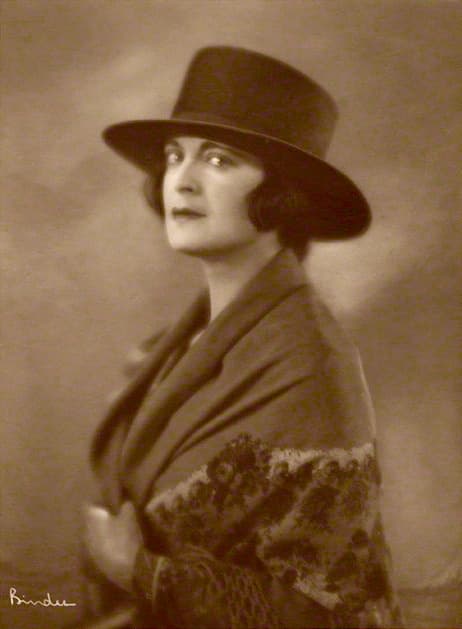
British · Arts
Harriet Cohen
December 2, 1895 – November 13, 1967
Early Life and Background
Harriet Cohen was born on December 2, 1895, in London, England, into a musically inclined Jewish family. She showed promise early in life, sparking her parents' aspirations for a career in music. Cohen attended the prestigious Royal Academy of Music in London, where she flourished under the tutelage of Tobias Matthay. Her education there laid a strong foundation for her later successes, ingraining a sense of discipline and approaching music with an intellectual sensibility.
Career Beginnings and Development
Harriet Cohen's career began to take shape in the early 1920s when she started making a name for herself as an accomplished pianist. Her repertoire included a strong emphasis on the works of Johann Sebastian Bach, for which she became renowned. Her passion for music beyond Bach was evident in her promotion of contemporary composers. She was instrumental in introducing British audiences to music by Soviet composers such as Shostakovich, with whom she maintained a personal and professional connection, and British composers including Arnold Bax and Ralph Vaughan Williams.
Major Works, Discoveries, and Accomplishments
Cohen was widely recognized for her performances of Bach's concertos, which were considered revolutionary at the time due to her novel interpretation and expressive playing. Alongside these historic renderings, her dedication to contemporary music saw her premiere many works specifically composed for her, notably by Arnold Bax, who was her close associate and romantic partner. Bax dedicated much of his music to her, deeply intertwining their personal and professional lives.
Awards, Honors, and Recognition
Harriet Cohen’s contributions to music were widely acknowledged and acclaimed. She received numerous awards throughout her career, including being made a Companion of Honour in 1957. This award recognized her not only as a significant artistic figure but also highlighted her efforts during World War II, where she used her music to support the war effort and promote international solidarity.
Personal Life and Relationships
Cohen's personal life was closely interwoven with the musical and political worlds. While she is best known for her strong artistic partnerships, particularly with Arnold Bax, her relationships extended into the realms of politics. She was known to mingle with influential figures such as H.G. Wells, Ramsay MacDonald, and even Mussolini, using her charm and prowess to forward her and her contemporaries' cultural and political causes.
Legacy and Historical Impact
Harriet Cohen's legacy extends beyond her recordings and premieres; she was an advocate for peace and a pioneer in the political utilization of music during some of the most turbulent periods of the 20th century. Her work significantly influenced the British musical landscape, and her recordings and scores continue to inspire musicians today. Cohen was a trailblazer, not only as a performer but also as a powerful link between music and diplomacy.
Later Life and Death
In her later years, despite declining health due to an arm injury which curtailed her performing career, Cohen remained an influential figure in the music world. She dedicated much of her time to fostering music education and remained culturally and politically active until her death. Harriet Cohen passed away on November 13, 1967, but her influence endures, celebrated through various awards and performances in her honor, such as the Harriet Cohen International Music Award.
Dated achievements
2 indexed.
- Dec021895Arts
Birth of Harriet Cohen
Harriet Cohen, British pianist, was born on December 2, 1895.
View details Harriet Cohen Biography - Britannica - Nov131967Arts
Death of Harriet Cohen
Harriet Cohen passed away on November 13, 1967, leaving a deep impact on music.
View details