← All women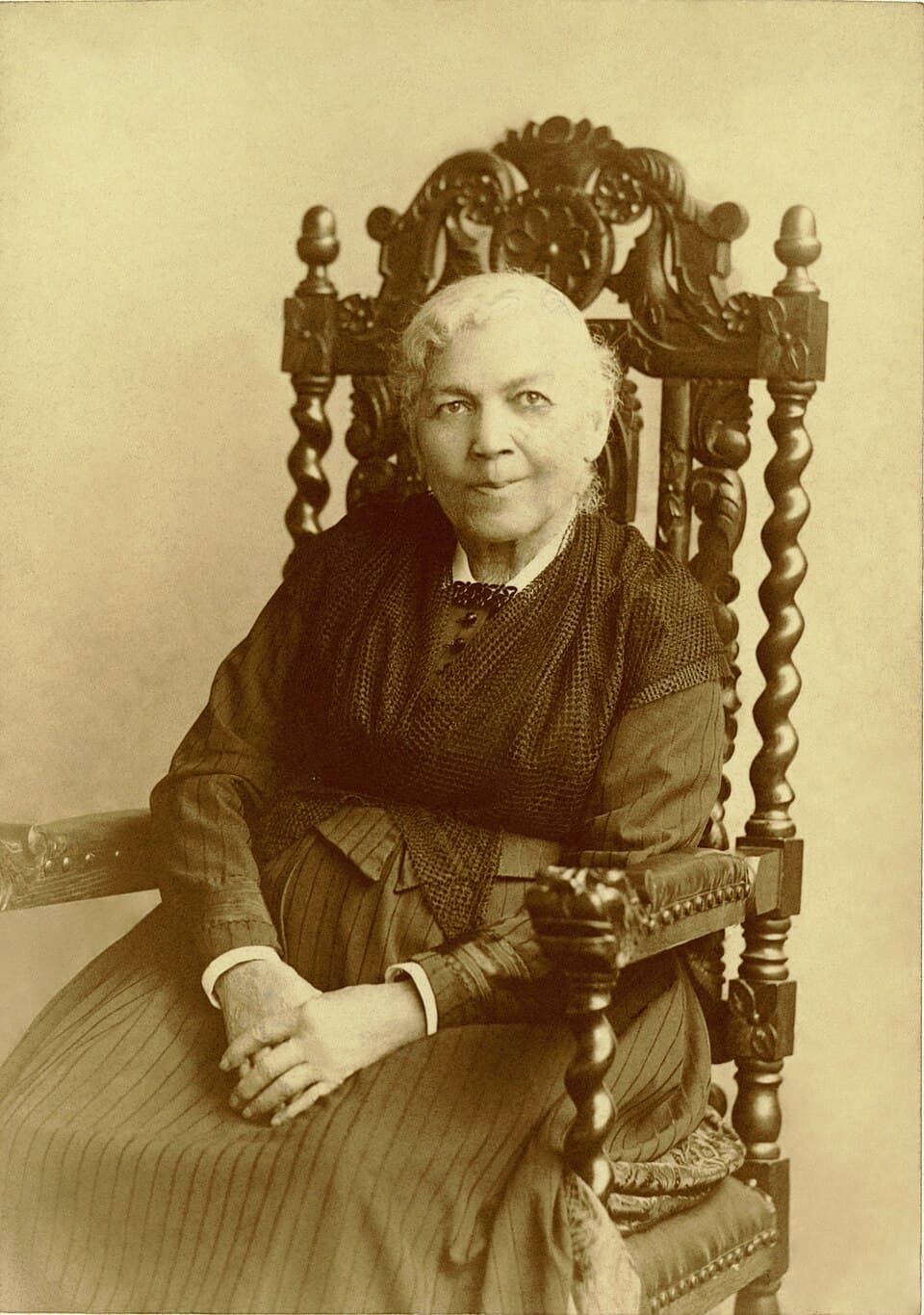
American · Literature · Activism
Harriet Ann Jacobs
February 11, 1813 – March 7, 1897
Early Life and Background
Harriet Ann Jacobs was born into slavery in Edenton, North Carolina, on February 11, 1813. Her parents were Elijah and Delilah, both enslaved. Harriet's early life was marked by the harsh realities of slavery, including the death of her mother at age six, after which she lived with her maternal grandmother, Molly Horniblow. Her grandmother became a significant influence, teaching her resilience and providing a sense of family.
Career Beginnings and Development
From a young age, Jacobs faced the pervasive threats of sexual exploitation. Upon reaching her teenage years, she encountered relentless harassment by her owner, Dr. James Norcom. Determined to escape this abuse, Jacobs took the bold step of concealing herself in a cramped garret space in her grandmother's home for seven years, enduring physical and mental hardships during her confinement.
Major Works, Discoveries, or Accomplishments
Jacobs emerged from hiding in 1842, eventually making her way to New York City. By 1853, she had gained her freedom and sought to shed light on the cruelties of slavery. Her seminal work, "Incidents in the Life of a Slave Girl," published in 1861 under the pseudonym Linda Brent, was among the first autobiographical narratives to detail the specific abuses faced by enslaved women. The book highlighted themes often relegated to silence: sexual exploitation, motherhood under slavery, and the impact of systemic oppression.
Awards, Honors, and Recognition
While Jacobs did not receive contemporary literary accolades, her contributions have been recognized posthumously as vital to understanding the female experience of slavery, positioning her work as a crucial text in American literature and African American history.
Personal Life
Jacobs had two children, Joseph and Louisa, with Samuel Tredwell Sawyer, a white lawyer. Despite her enslaved status, she prioritized their well-being and eventually secured their freedom. Throughout her life, Jacobs remained committed to her family, often prioritizing their safety over her own.
Legacy and Historical Impact
Harriet Jacobs' narrative provided an intimate and unprecedented look into the struggles faced by enslaved women. Her firsthand account has become a pivotal reference in feminist and African American studies, illustrating the intersection of race and gender within the institution of slavery. Jacobs' courage in sharing her story encouraged other women to speak out and broadened the scope of abolitionist discourse.
Later Life and Death
Following the Civil War, Jacobs dedicated herself to humanitarian efforts, aiding freed slaves through education and support services. She passed away on March 7, 1897, in Washington, D.C., leaving behind a legacy of resilience and empowerment that continues to spark scholarly discussion and inspire readers worldwide.
Dated achievements
1 indexed.
- Feb111813Literature
Birth of Harriet Ann Jacobs
Harriet Ann Jacobs was born on February 11, 1813, in Edenton, North Carolina.
View details Harriet Jacobs Biography