← All women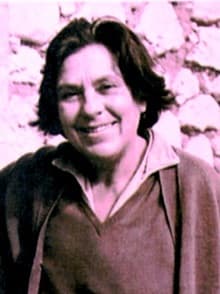
Turkish · Science · Sports
Halet Çambel
August 27, 1916 – January 12, 2014
Early Life and Background
Halet Çambel was born on August 27, 1916, in Berlin, Germany, into a Turkish Ottoman family with a strong political background. Her father, Hasan Cemil Çambel, was a diplomat, and her mother, Remziye Hanım, was the daughter of the Ottoman Army's general staff. The family's return to Turkey allowed Halet to grow up in an intellectually vibrant environment amidst the formative years of the Turkish Republic.
She attended the Arnavutköy American College for Girls and then went on to study archaeology at the University of Sorbonne in Paris, France, where she honed her archaeological skills under prominent scholars. This period profoundly influenced her academic path and fostered a lifelong passion for archaeology.
Career Beginnings and Development
After completing her education, Çambel returned to Turkey, where she undertook various archaeological projects. Her early work included excavations at the sites of Karatepe and Gözlükule in Cilicia, where she collaborated with Helmuth Theodor Bossert, furthering her reputation as a leading figure in Turkish archaeology.
Major Works, Discoveries, and Accomplishments
Çambel's work at the ancient neo-Hittite site of Karatepe, beginning in the 1940s, stands out as one of her most significant achievements. This project was crucial in deciphering Hittite hieroglyphs, as Karatepe provided vital bilingual inscriptions. Her meticulous work on these inscriptions significantly advanced the understanding of Hittite history and culture.
Awards, Honors, and Recognition
In recognition of her significant contributions, Halet Çambel received numerous accolades, including Turkey’s Science Award and the Prince Claus Award, celebrating her outstanding work in archaeology and cultural preservation.
Personal Life
Halet Çambel was married to Nail Çakırhan, a prominent Turkish poet, journalist, and architect. Their relationship was a partnership of mutual support grounded in shared intellectual and cultural interests, which enriched both their personal and professional lives.
Legacy and Historical Impact
Çambel is remembered not only for her archaeological contributions but also for her staunch environmental activism and efforts to preserve Turkey’s cultural heritage. Her interdisciplinary approach, combining archaeology with history and preservation, set a precedent in global archaeological practice.
Later Life and Death
In her later years, Halet continued to be an inspirational figure in Turkish academia and beyond. She passed away on January 12, 2014, leaving behind a significant legacy in Turkish archaeology and cultural preservation.
Dated achievements
2 indexed.
- Aug271916Science
Birth of Halet Çambel
Halet Çambel was born in Berlin, Germany.
View details Wikipedia: Halet Çambel - Jan122014