← All women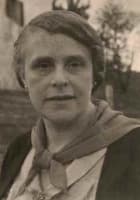
Austrian · Literature
Grete Gulbransson
January 3, 1882 – May 23, 1934
Early Life and Background
Grete Gulbransson, born Grete Jehly, entered the world on January 3, 1882, in Hohenems, Austria. Her parents, who valued education, provided Grete with a nurturing environment that would ignite her literary ambitions. Her formative years were marked by a strong connection to her local culture and natural surroundings, both of which later became central themes in her writing.
Career Beginnings and Development
Gulbransson began her writing career in the early 20th century, a time when female authors were gaining more visibility but still faced significant societal barriers. She quickly developed a dynamic narrative style that captured the everyday lives and struggles of her characters, reflecting the socio-political challenges of her day.
Major Works and Contributions
Grete is best known for her novels and short stories that explore rural Austrian life. Her works are celebrated for their authentic portrayal of the human condition and attention to detail. Although specific titles of her works are not widely catalogued, her contributions to literature during her era were significant, providing a detailed social commentary through fiction.
Awards, Honors, and Recognition
Though comprehensive records of awards she may have received are scarce, Grete Gulbransson's writing garnered respect among her peers and contributed significantly to Austrian literature, influencing subsequent generations of writers.
Personal Life
In 1906, Grete married Olaf Gulbransson, a renowned Norwegian artist and illustrator. Their marriage intertwined literary and artistic pursuits, and they became notable figures in European cultural circles. They had several children, and their home was often a meeting place for intellectuals and artists of the era.
Legacy and Historical Impact
Grete's influence extends beyond her lifetime through her unique literary contributions. Her work provided a voice to the oft-overlooked rural populace and offered insights into the complex social dynamics of her time. She paved the way for women in literature, demonstrating the power of storytelling to effect change and promote understanding.
Later Life and Death
Grete Gulbransson continued to write and inspire until her untimely death on May 23, 1934. Her passing marked the end of a poignant literary journey, yet her legacy endures through the characters she created and the stories she told.
Dated achievements
0 indexed.