← All women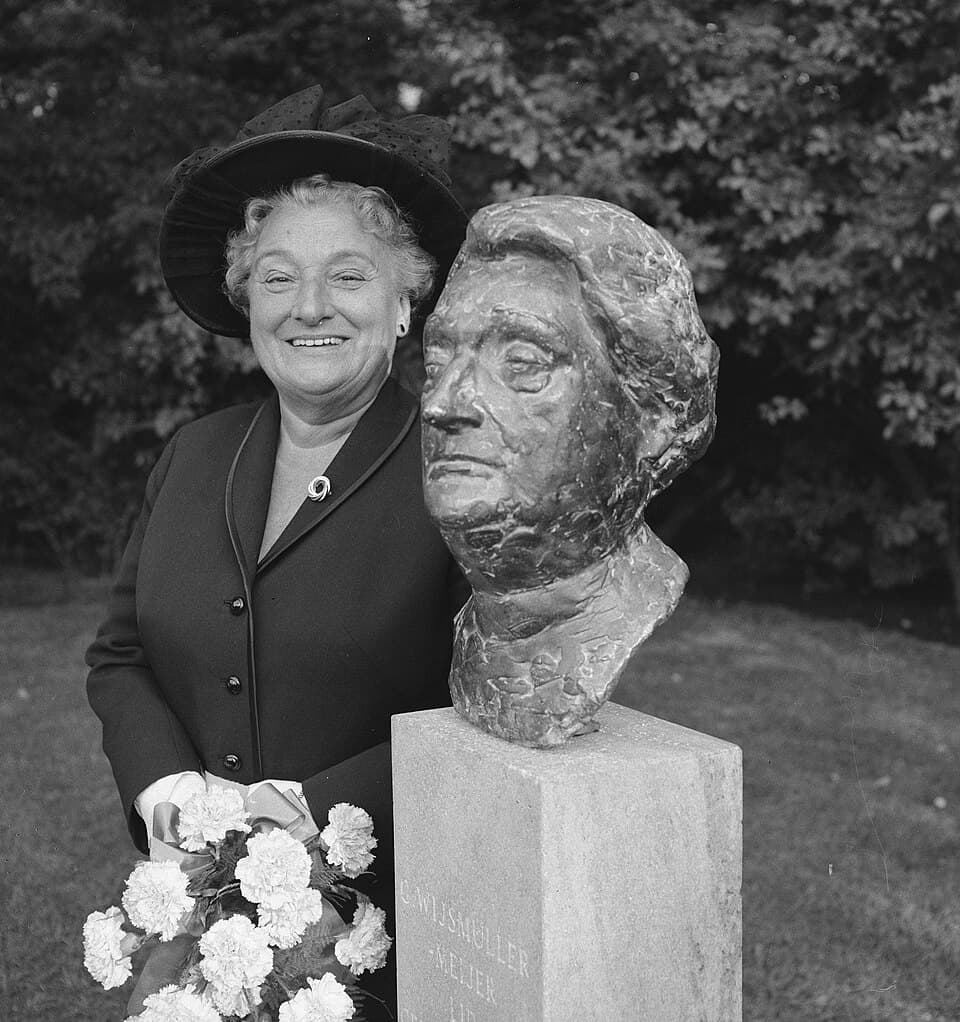
Dutch · Activism · Politics
Geertruida Wijsmuller
April 21, 1896 – August 30, 1978
Early life and background
Geertruida Wijsmuller, known as Truus, was born on April 21, 1896, in Alkmaar, Netherlands. Her early life was marked by a firm educational upbringing, and she was influenced by her surroundings and the socio-political climate of the time.
Career beginnings and development
Truus began her career in public service but quickly engaged herself in efforts to aid refugees, particularly focusing on helping the Jewish community during the tumultuous years leading up to World War II. She became a central figure in organizing the Kindertransport, a mission to evacuate Jewish children to safety.
Major works, discoveries, or accomplishments
Truus is celebrated for her extraordinary efforts in the Kindertransport mission, which helped save approximately 10,000 Jewish children from Nazi-occupied territories by transporting them to Great Britain between 1938 and 1940. Her fearless negotiations and strategic planning were crucial in overcoming significant bureaucratic and political challenges.
Awards, honors, and recognition
Truus was recognized for her heroism long after the war, honored both in the Netherlands and internationally. She has been posthumously featured in various Holocaust remembrance events and recognized by Jewish organizations.
Personal life
She married Joop Wijsmuller, sharing a supportive partnership during the years of resistance activity. Her personal life and family were sources of strength as she engaged in her perilous work.
Legacy and historical impact
Wijsmuller's legacy endures as a symbol of courage and humanitarianism. Her actions are a testament to individual bravery against tyranny, and she is celebrated for her significant role in saving lives during one of history’s darkest periods.
Later life and death
After World War II, Truus continued to be involved in public welfare and advocacy for refugees until her passing on August 30, 1978. Her death marked the end of an era of extraordinary humanitarian efforts, but her story continues to inspire generations.
Dated achievements
2 indexed.
- Apr211896Activism
Birth of Geertruida Wijsmuller
Geertruida Wijsmuller was born on April 21, 1896, in Alkmaar, Netherlands.
View details Geertruida Wijsmuller-Meijer - Wikipedia - Aug301978Activism
Death of Geertruida Wijsmuller
Geertruida Wijsmuller passed away on August 30, 1978.
View details