← All women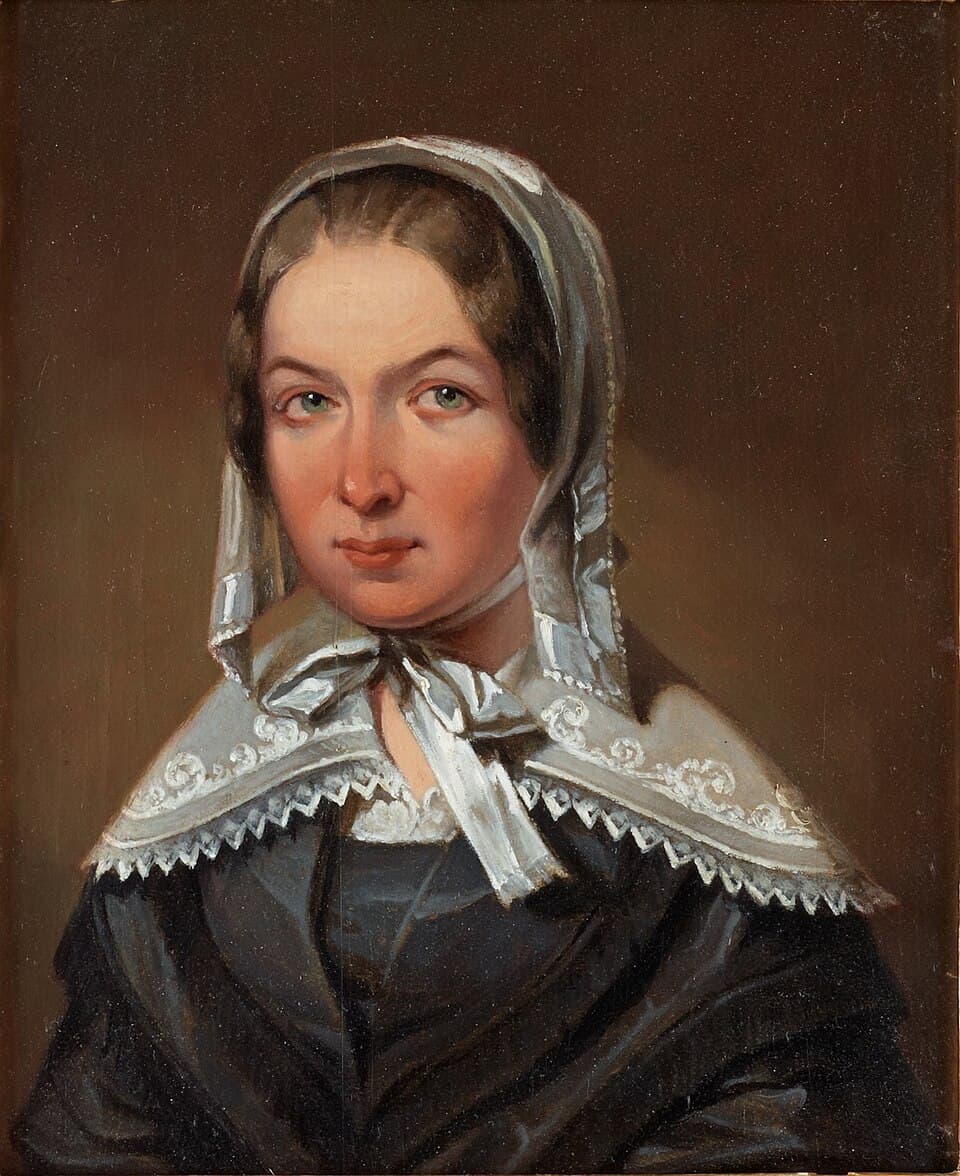
Swedish · Literature · Activism
Frederika Bremer
August 17, 1801 – December 31, 1865
Early Life and Background
Fredrika Bremer was born on August 17, 1801, in Tuorla, near Åbo, Finland, then part of the Swedish realm. She was the daughter of a wealthy merchant family, which allowed her to receive an education unusual for women of her time. Despite her privilege, Bremer's formative years were marked by a strict home environment overseen by her father.
Her family's move to Sweden following Finland's cession to Russia in 1809, shaped her early experiences and connections in Swedish society. Educated at home and with private tutors, Bremer developed an early love for literature and writing, which would later become her life's work.
Career Beginnings and Development
Fredrika Bremer published her first novels anonymously, starting with the sketch "Teckningar utur vardagslifvet" in 1828-31. Her early works were well received, and soon, Bremer began publishing under her own name, gaining popularity across Europe. Her writing style was marked by a keen observation of social classes and gender dynamics, reflecting her literary growth and the influence of Romanticism and Realism.
Major Works and Accomplishments
Bremer's most significant work, the novel "Hertha" (1856), was a catalyzing force for women's rights in Sweden. The story challenged the oppressive reality of women in Sweden and demanded reforms such as education and independent livelihoods for women. This novel led to a significant debate in Swedish society and influenced the passing of laws allowing unmarried women legal majority.
Beyond her novels, Bremer was an avid traveler and social observer, documenting her experiences in America and the Middle East. Her travel letters and journals offered insights into her reformist ideals and advocacy for educational reform, both in Sweden and abroad.
Awards, Honors, and Recognition
Fredrika Bremer was widely recognized in her lifetime and posthumously for her contributions to literature and social reform. Her works reached across Europe, influencing the discourse on women's rights and education. She inspired the formation of the Fredrika Bremer Association in 1884, Sweden's first women's rights organization, cementing her legacy in feminist activism.
Personal Life
Although never married, Bremer's life was rich with friendships and intellectual camaraderie. Her correspondence with luminaries such as Hans Christen Andersen and Elizabeth Barrett Browning reflect a life intertwined with the literary and reformist circles of her time.
Legacy and Historical Impact
Fredrika Bremer's influence extends well beyond her literary contributions. "Hertha" inspired legislative change and continued to be a reference point for Scandinavian feminism into the 20th century. Her literary style and social critique have earned her a place as a founding figure in Swedish literature and reformist history.
Later Life and Death
In her later years, Bremer continued to write and travel, fostering intellectual growth and contributing to reformist debates. She died on December 31, 1865, in Årsta, Sweden. Her death marked the end of an era of pioneering feminism, but her impact lived on through the changes she inspired.
Dated achievements
1 indexed.
- Aug171801Literature
Birth of Fredrika Bremer
Fredrika Bremer was born on August 17, 1801, in Tuorla, Finland.
View details Wikipedia