← All women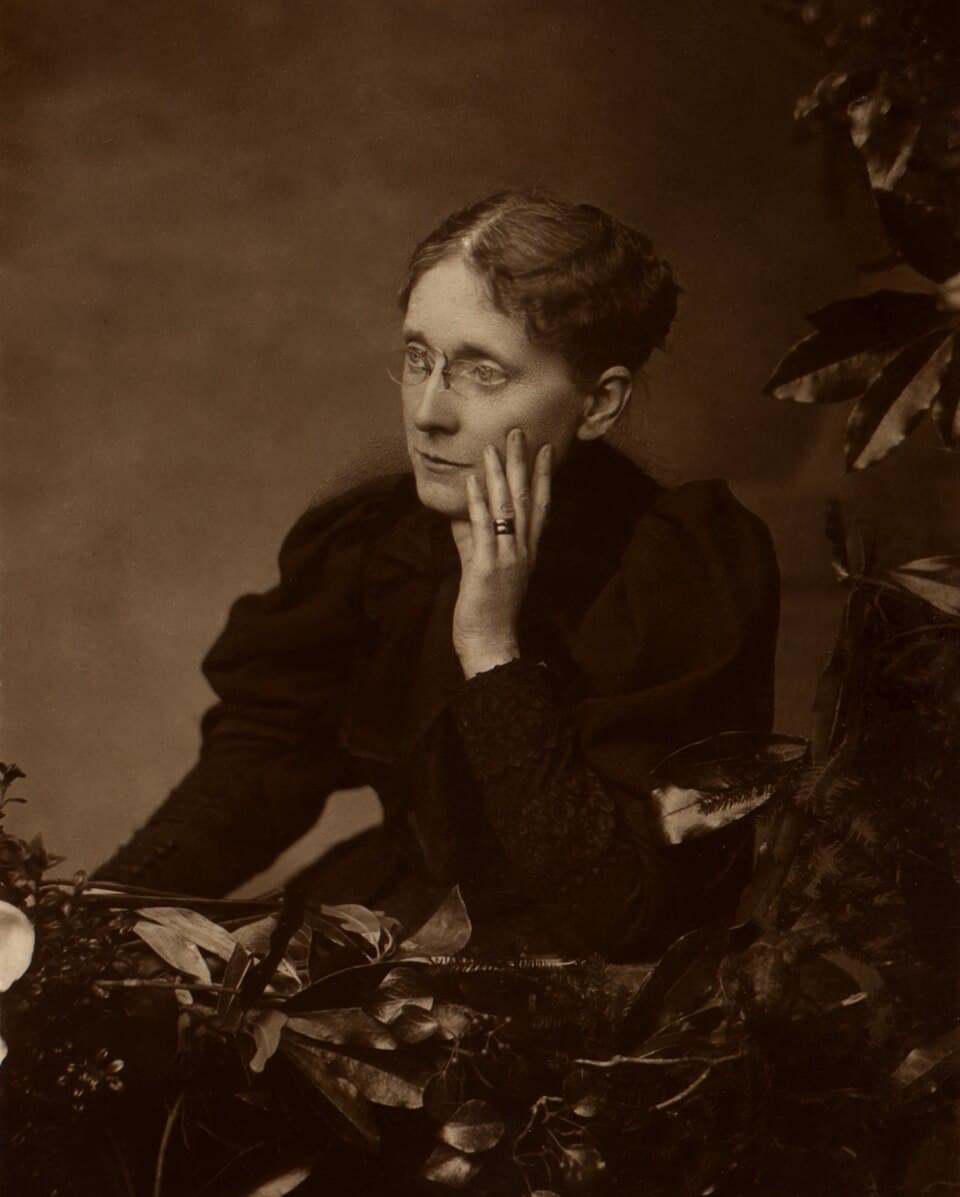
American · Activism · Politics
Frances Willard
September 28, 1839 – February 17, 1898
Early Life and Background
Frances Elizabeth Caroline Willard was born on September 28, 1839, in Churchville, New York. Her family moved to Oberlin, Ohio, and then to Janesville, Wisconsin, during her childhood. Willard grew up in an environment that emphasized education and religious devotion, which significantly influenced her future endeavors. She attended the Northwestern Female College in Evanston, Illinois, and graduated in 1859, marking the beginning of her commitment to education and reform.
Career Beginnings and Development
Willard's career began with teaching, but she soon transitioned to activism. In 1871, she became the first president of the Evanston College for Ladies, which later merged with Northwestern University, where she served as the first Dean of Women. Her dedication to women's education was a precursor to her later work with the Woman's Christian Temperance Union (WCTU).
Major Works, Discoveries, or Accomplishments
Frances Willard is perhaps best known for her leadership in the temperance movement. In 1879, she was elected President of the WCTU, where she served until her death in 1898. Under her leadership, the WCTU became one of the largest and most influential women's organizations in the United States. Willard expanded the WCTU's agenda to include women's suffrage, advocating for the passage of the 18th (Prohibition) and 19th (Women's Suffrage) Amendments.
Awards, Honors, and Recognition
Willard's legacy is honored through various means. Her home in Evanston is a National Historic Landmark, and her contributions to women's rights continue to be recognized in historical studies and commemorations.
Personal Life
While Frances Willard never married, her personal relationships, especially her close friendship with Anna Adams Gordon, played a significant role in her life and work. Willard's personal dedication to her causes often overshadowed traditional paths, reflecting her commitment to social change.
Legacy and Historical Impact
Frances Willard's impact extends beyond her life, influencing subsequent women's rights movements. Her ability to inspire through speeches and writings helped solidify the foundation for future advocacy in women's suffrage and temperance. She played a pivotal role in "Do Everything," a comprehensive program that combined social purity work with labor reforms, highlighting women's multifaceted roles in society.
Later Life and Death
Willard continued her work with the WCTU and wrote extensively, including "A Wheel within a Wheel: How I Learned to Ride the Bicycle," which used cycling as a metaphor for women's emancipation. Despite failing health, she remained active until her death on February 17, 1898, in New York City. Her writings and reformist spirit left a lasting imprint on American social movements.
Dated achievements
2 indexed.
- Sep281839Activism
Birth of Frances Willard
Frances Elisabeth Caroline Willard was born on September 28, 1839.
View details Frances Willard - Britannica - Feb171898Activism
Death of Frances Willard
Frances Willard died on February 17, 1898, in New York City.
View details