← All women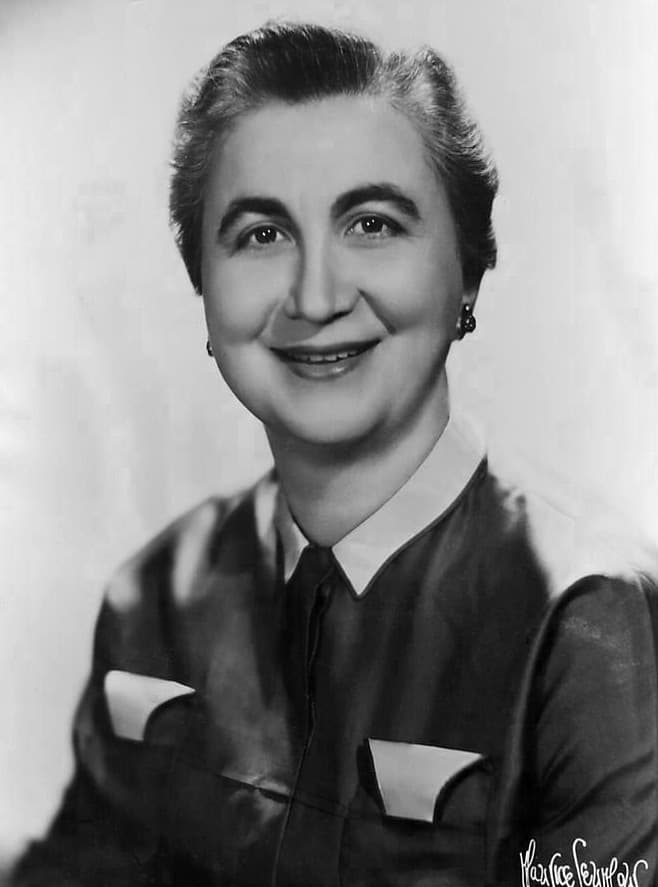
American · Arts
Frances Horwich
July 16, 1907 – July 22, 2001
Early Life and Background
Frances Rappaport Horwich was born on July 16, 1907, in Ottawa, Ohio. She was the daughter of Russian-Jewish immigrants, which contributed to her strong sense of cultural identity and values. Her family emphasized education, planting the seeds for her eventual career in educational television. Frances pursued higher education avidly, earning a Bachelor of Arts degree from the University of Chicago, a Master's degree in Education from Columbia University, and later, a Doctorate in Education from Northwestern University.
Career Beginnings and Development
Horwich’s career started in the field of education, where she worked as a kindergarten teacher in both Chicago and New York City. Her experiences in these roles exposed her to the vast differences in resources and opportunities available to children from diverse backgrounds. This realization fueled her passion for accessible education. In 1952, she joined NBC as the host of "Ding Dong School," a televised program aimed at preschool children.
Major Works and Accomplishments
"Ding Dong School" premiered on November 24, 1952, and it quickly became a trailblazer in children's programming. Frances Horwich, known to her audience as "Miss Frances," had a direct and engaging teaching style that resonated with both children and parents. The show included simple but effective activities like storytelling, art, and practical lessons on everyday tasks, aiming to stimulate young minds.
Her program was a significant success, earning high ratings and leading to its syndication in over 200 cities. It was one of the first television programs to cater directly to preschool children and it paved the way for subsequent educational shows.
Awards, Honors, and Recognition
Frances Horwich was lauded for her contributions to children's television education. She won a Peabody Award in 1953 for "Ding Dong School," recognized for its effective communication with its young audience and innovative approach to education.
Personal Life
Frances was married to Harvey Horwich, and the couple had no children of their own. However, her nurturing presence on television gave her a familial connection to the countless children who grew up watching her show. Her personal life is less publicized, largely because of her dedication and focus on her professional achievements.
Legacy and Historical Impact
Frances Horwich's work left an indelible mark on children's programming. Her approach provided a blueprint for many future educational programs, emphasizing the importance of interactive content in early childhood development. The success of "Ding Dong School" demonstrated the potential of television as a powerful educational tool and inspired generations of childhood educators and programmers.
Later Life and Death
After "Ding Dong School" ended in 1956, Frances continued her advocacy for children's education through various means, including serving as a professor at National College of Education. She retired in the 1970s, dedicating her later years to mentoring young educators. Frances Horwich passed away at the age of 94 on July 22, 2001, in Scottsdale, Arizona.
Dated achievements
1 indexed.