← All women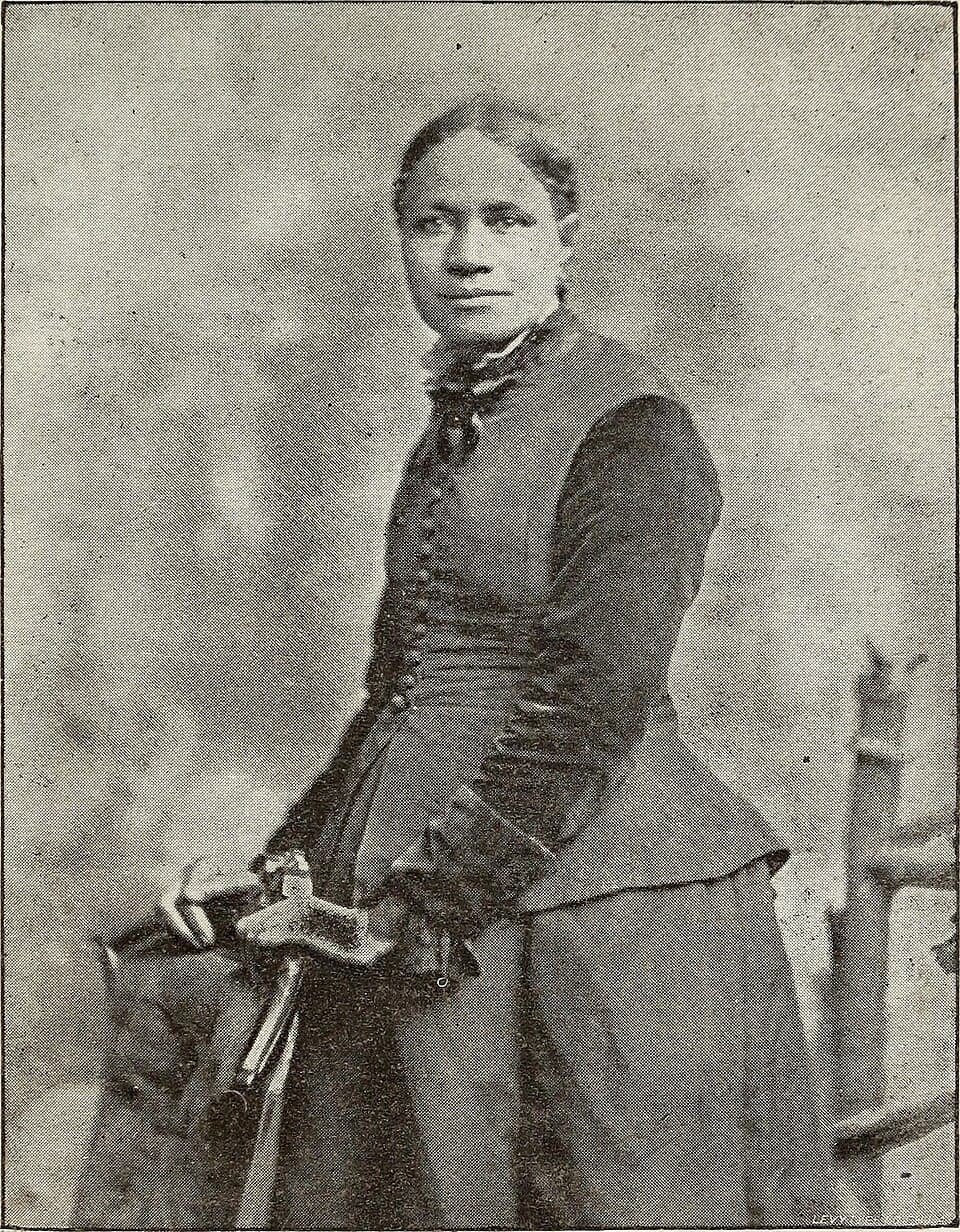
American · Literature · Activism
Frances E. Watkins Harper
September 24, 1825 – February 22, 1911
Early Life and Background
Frances Ellen Watkins Harper was born on September 24, 1825, in Baltimore, Maryland. She was the daughter of a couple affiliated with the African Methodist Episcopal Church, which had a profound influence on her early upbringing. Orphaned at three, she was raised by her uncle, William Watkins, who ran a school for black children. Harper received a quality education during a time when educational opportunities for African Americans were scarce.
Career Beginnings and Development
Harper's career began in the field of teaching when she took a position in 1850 at Union Seminary in Ohio. Her writing career concurrently gained momentum as she published poems and essays advocating for abolition and social justice. Her first volume of poetry, "Forest Leaves," was published in 1845, highlighting her literary talent and commitment to social causes.
Major Works, Discoveries, or Accomplishments
One of Harper's significant contributions to literature was her 1854 poem, "Bury Me in a Free Land," which expressed her powerful stance against slavery. Throughout the 1850s, she traveled extensively, delivering lectures to support the anti-slavery movement. In 1859, Harper published "The Two Offers," one of the first short stories by an African American. Her novel "Iola Leroy, or Shadows Uplifted," released in 1892, became a seminal work in African American literature, addressing themes of race, gender, and social justice.
Awards, Honors, and Recognition
While formal awards were rare for women and African Americans in her era, Harper earned considerable respect and recognition. She was active in the women's rights movement, co-founding the National Association of Colored Women in 1896 and serving as its vice president from 1896 to 1900.
Personal Life
In 1860, Harper married Fenton Harper, with whom she had a daughter, Mary. Following her husband's death in 1864, she returned to her active public life, emphasizing the intersection of race and gender in her advocacy work.
Legacy and Historical Impact
Frances Ellen Watkins Harper's legacy endures through her pioneering efforts as a fervent advocate for civil rights and women's suffrage. Her compelling poetry and prose broke ground for future African American writers, and her activism contributed to key social reforms. Harper is remembered as a courageous voice for equality and justice, whose works continue to inspire movements for racial and gender equality.
Later Life and Death
In her later years, Harper remained active, continuing her advocacy until her health declined. She died on February 22, 1911, in Philadelphia, Pennsylvania, leaving behind a legacy that shaped the fight for equality in America.
Dated achievements
2 indexed.
- Sep241825Literature
Birthday of Frances Ellen Watkins Harper
Birth of Frances Ellen Watkins Harper, influential writer and abolitionist, on September 24, 1825.
View details Frances Ellen Watkins Harper Biography - Feb221911Literature
Death of Frances Ellen Watkins Harper
Frances Ellen Watkins Harper died on February 22, 1911, leaving a profound legacy as a writer and activist.