← All women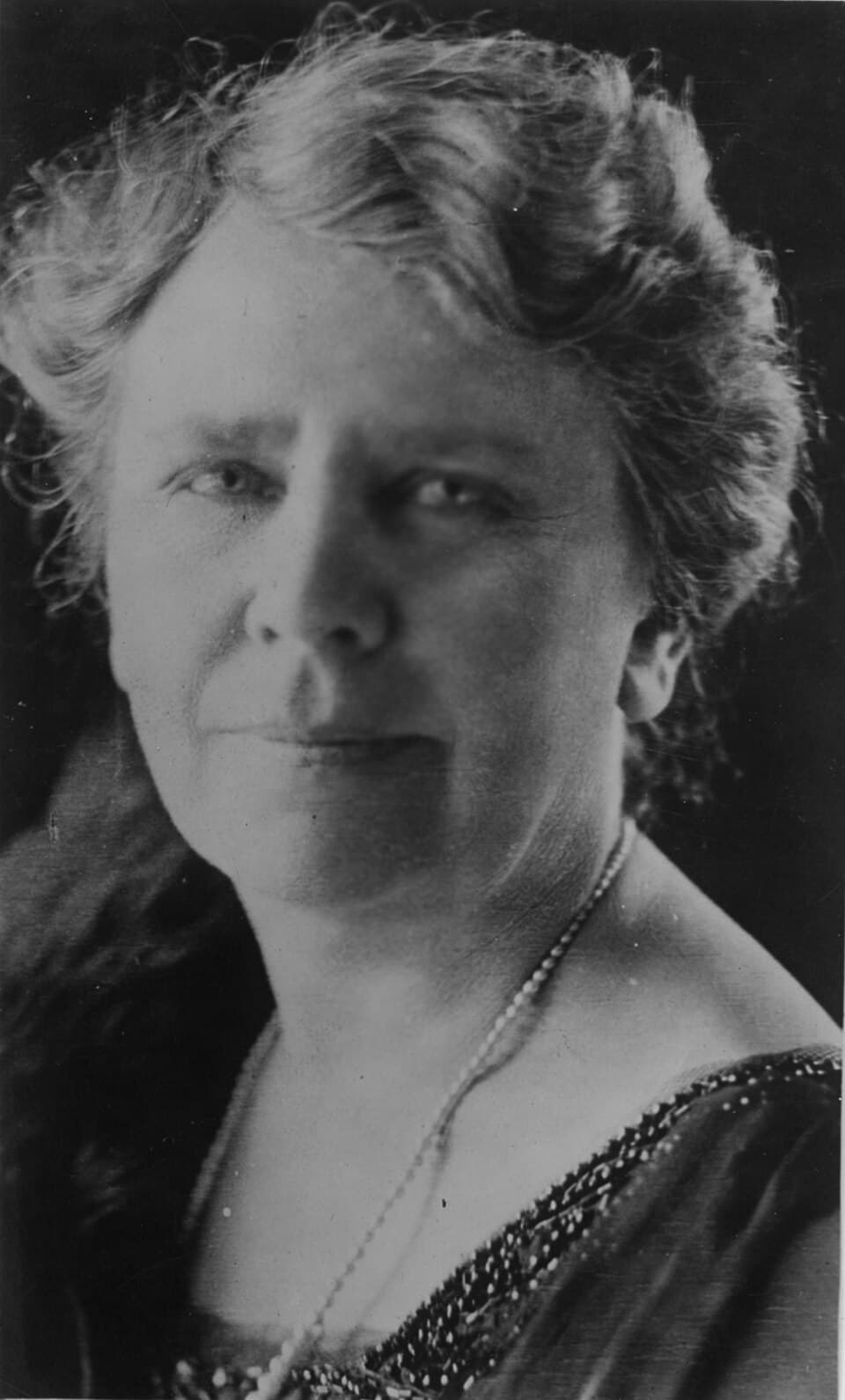
American · Arts · Exploration
Frances Densmore
May 21, 1867 – June 5, 1957
Early Life and Background
Frances Theresa Densmore was born on May 21, 1867, in Red Wing, Minnesota. Her fascination with Native American music and culture was sparked at a young age, partly due to the influence of a Dakota Indian who worked with her father. Densmore was educated at the Oberlin Conservatory of Music, where she not only honed her vocal and piano skills but also developed an interest in musicology.
Career Beginnings and Development
Densmore's career as an ethnomusicologist began in earnest around the turn of the 20th century. She understood the societal changes threatening to erase Native American cultural narratives and, driven by a sense of urgency, began her pioneering work in recording and studying Indigenous music. Her early works included collaborating with the Bureau of American Ethnology at the Smithsonian Institution, where her meticulous ethnographic methods set a new standard in the field.
Major Works, Discoveries, and Accomplishments
Throughout her career, Densmore traveled extensively across the United States to work with various Native American tribes, including the Chippewa, Mandan, Hidatsa, Sioux, Pueblo, and Bella Coola. One of her significant achievements was recording over 2,500 songs, which are preserved in the Library of Congress. Her publication, "Chippewa Music," became a seminal work for understanding Native American music traditions. Her work documented various aspects of tribal life, including songs, rituals, and daily practices, providing invaluable insights into Indigenous cultures.
Awards, Honors, and Recognition
Although Densmore did not receive widespread accolades during her lifetime, her posthumous recognition reflects her contributions to preserving Native American heritage. She was considered an authority in ethnomusicology and folklore, earning respect from academic circles for her comprehensive and respectful approach to cultural studies.
Personal Life
Densmore remained single throughout her life, dedicating her time to her research. Her personal and professional life intersected, as her devotion to documenting music and cultural traditions consumed her focus and energies.
Legacy and Historical Impact
Frances Densmore's extensive recordings and publications have been pivotal in preserving Native American cultures that might otherwise have been lost to colonial impacts and assimilation policies. Her recordings provide a rich tapestry of cultural heritage and continue to be a resource for ethnographers, historians, and musicians. Densmore is often credited with laying the foundation for contemporary practices in ethnographic fieldwork and music preservation.
Later Life and Death
In her later years, Densmore continued her work despite limited funding. She passed away on June 5, 1957, in Red Wing, Minnesota. Her life's work remains influential, with her recordings and analyses still serving as crucial resources in the study of Native American music and anthropology.
Dated achievements
2 indexed.
- May211867Arts
Birth of Frances Densmore
Frances Densmore was born on May 21, 1867, in Red Wing, Minnesota.
View details Minnesota Historical Society - Jun051957Arts
Death of Frances Densmore
Frances Densmore died on June 5, 1957, in Red Wing, Minnesota.
View details