← All women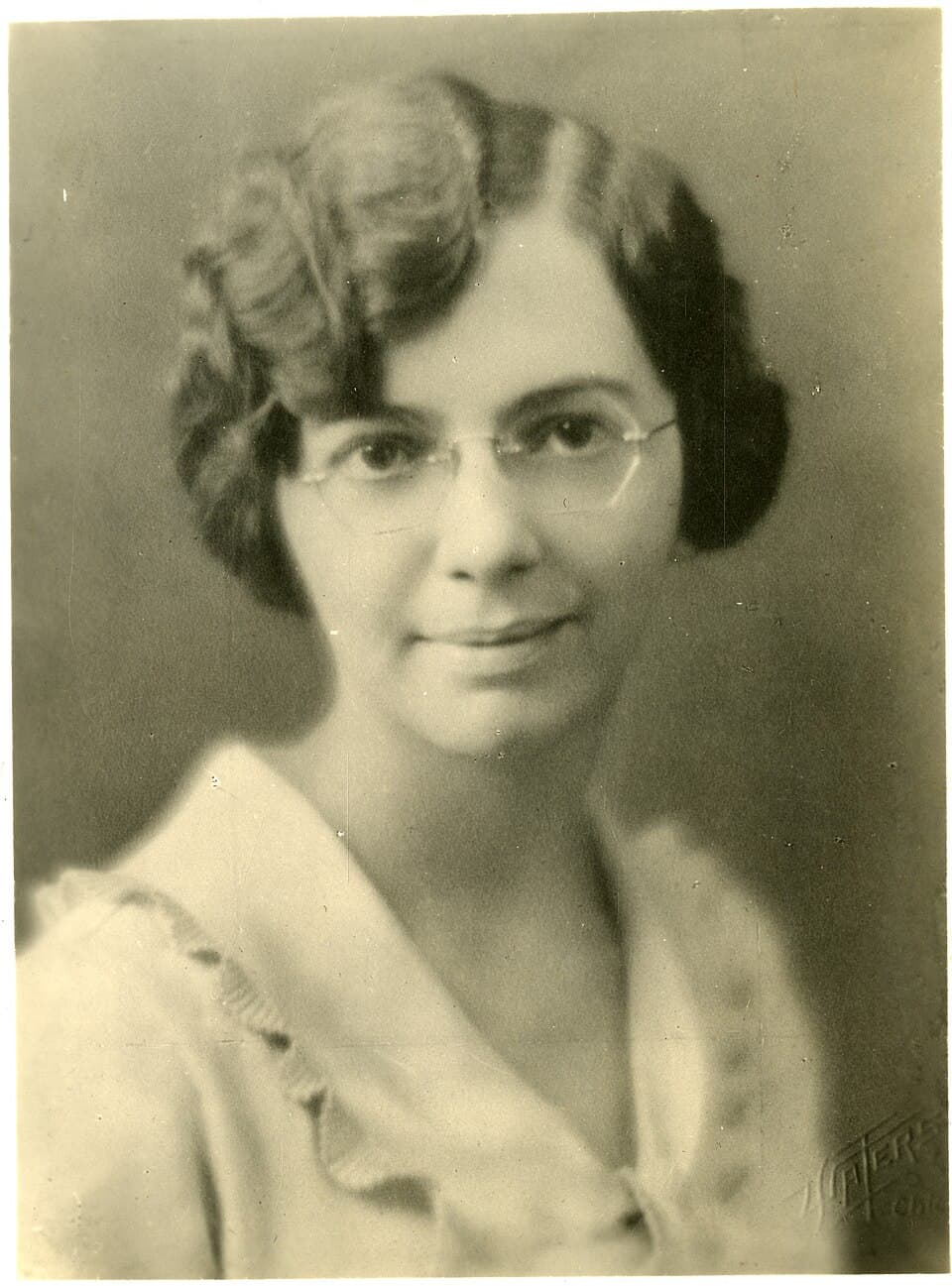
American · Science · Medicine
Florence B. Seibert
October 6, 1897 – August 23, 1991
Early Life and Background
Florence Barbara Seibert was born on October 6, 1897, in Easton, Pennsylvania, to George Peter Seibert and Barbara (Memmert) Seibert. From an early age, Florence demonstrated a keen interest in science, despite contracting polio at age three, which left her with a slight limp. Her perseverance through her disability was a testament to her character and determination, qualities that would define her career. She attended Goucher College, where she graduated Phi Beta Kappa in 1918. Her passion for chemistry led her to the University of Chicago, where she earned a Ph.D. in Biochemistry in 1923.
Career Beginnings and Development
Following her studies, Seibert embarked on an academic career that spanned several decades. She was a research assistant at the University of Chicago before moving to the University of Rochester. In 1932, she joined the University of Pennsylvania's Henry Phipps Institute, where she began her groundbreaking research into tuberculosis (TB).
Major Works, Discoveries, and Accomplishments
Seibert's most significant contribution was the development of the purified protein derivative (PPD) standard for the TB skin test. In 1934, she discovered methods to isolate pure tuberculin, allowing for more accurate TB testing. Her methods became the internationally adopted standard for TB testing, which greatly improved early detection of the disease and helped contain its spread worldwide. Her work is credited with saving countless lives by aiding in the efficient treatment of TB, a major global health issue at the time.
Awards, Honors, and Recognition
For her contributions to biochemistry and medicine, Seibert received numerous accolades. These include the Trudeau Medal from the National Tuberculosis Association in 1938, and her work was recognized by her election to the National Academy of Sciences in 1944. In 1965, she was inducted into the National Women’s Hall of Fame, and in 1990, she was named to the Florida Women's Hall of Fame.
Personal Life
Florence Seibert led a life devoted to science and renowned for her resilience. Despite her hearing impairment in later years, which was a result of her childhood illness, she continued to inspire future generations of scientists through her work and mentorship.
Legacy and Historical Impact
Seibert's work in the field of biochemistry and medicine continues to influence modern medical practices. Her methodologies in protein purification have paved the way for numerous advancements in medical testing and treatment. Seibert's innovations were particularly transformative in the fight against tuberculosis, drastically improving public health outcomes.
Later Life and Death
Seibert retired in St. Petersburg, Florida, where she continued to be involved in scientific endeavors. She passed away on August 23, 1991, leaving behind a legacy of scientific excellence that bridges the gaps between clinical medicine and biochemical research.
Dated achievements
1 indexed.
- Oct061897Science
Birthday of Florence B. Seibert
Florence Barbara Seibert was born on October 6, 1897, in Easton, Pennsylvania.
View details Dr. Florence B. Seibert, 93, Inventor of Standard TB Test