← All women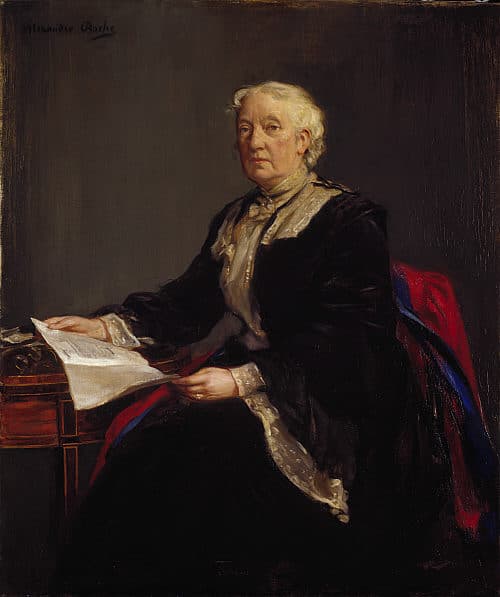
Scottish · Activism · Politics
Flora Stevenson
October 30, 1839 – September 28, 1905
Early Life and Background
Flora Clift Stevenson was born on October 30, 1839, in Glasgow, Scotland, amidst a progressive and industrious family background. Her father was James Stevenson, a successful merchant, and her mother was Jane Clift. Her early exposure to social and educational issues was partly shaped by her family's liberal pursuits and active engagement in social reforms.
Career Beginnings and Development
Flora Stevenson's career in social reform and education began against a backdrop of significant societal change during the 19th century. She was particularly motivated to support the education and welfare of children, especially girls from disadvantaged backgrounds. Her dedication to improving educational conditions for the underprivileged led her to become involved with charitable organizations focused on schools and education.
Major Works and Accomplishments
In 1873, Stevenson made history as the first woman elected to the Edinburgh School Board, a pioneering achievement for women in public office. Her persistent advocacy for educational reforms led to transformative changes in public schooling, including the establishment of free primary education and the improvement of educational rights for girls. Throughout her tenure on the board, she championed policies that promoted equitable education for all socio-economic classes.
Awards, Honors, and Recognition
Stevenson's work earned her widespread recognition, both during her lifetime and posthumously. Her name remains synonymous with educational reform, particularly in Scotland, where several schools have been named in her honor. Her influence paved the way for subsequent reforms in women's education and public policy engagements.
Personal Life
Although Stevenson's work consumed much of her time, she maintained close relationships with her family and remained a vital figure within Edinburgh's intellectual and social circles. Her personal life, however, was largely private, with little known about her intimate relationships.
Legacy and Historical Impact
Flora Stevenson's legacy is enshrined in the Scottish education system's profound transformation during the late 19th and early 20th centuries. Her relentless pursuit of educational equity contributed to the widespread acceptance of public education as a social right. Her leadership style and advocacy established foundational principles that continue to shape educational policy.
Later Life and Death
In the last years of her life, Stevenson's influence in reformative circles remained strong until her passing on September 28, 1905. Her death marked the end of an era for Scottish educational reform, but her contributions continue to be celebrated and remembered.
Dated achievements
1 indexed.
- Oct301839Activism
Birth of Flora Stevenson
Flora Clift Stevenson was born on October 30, 1839, in Glasgow, Scotland.
View details Flora Clift Stevenson - Hall of Fame