← All women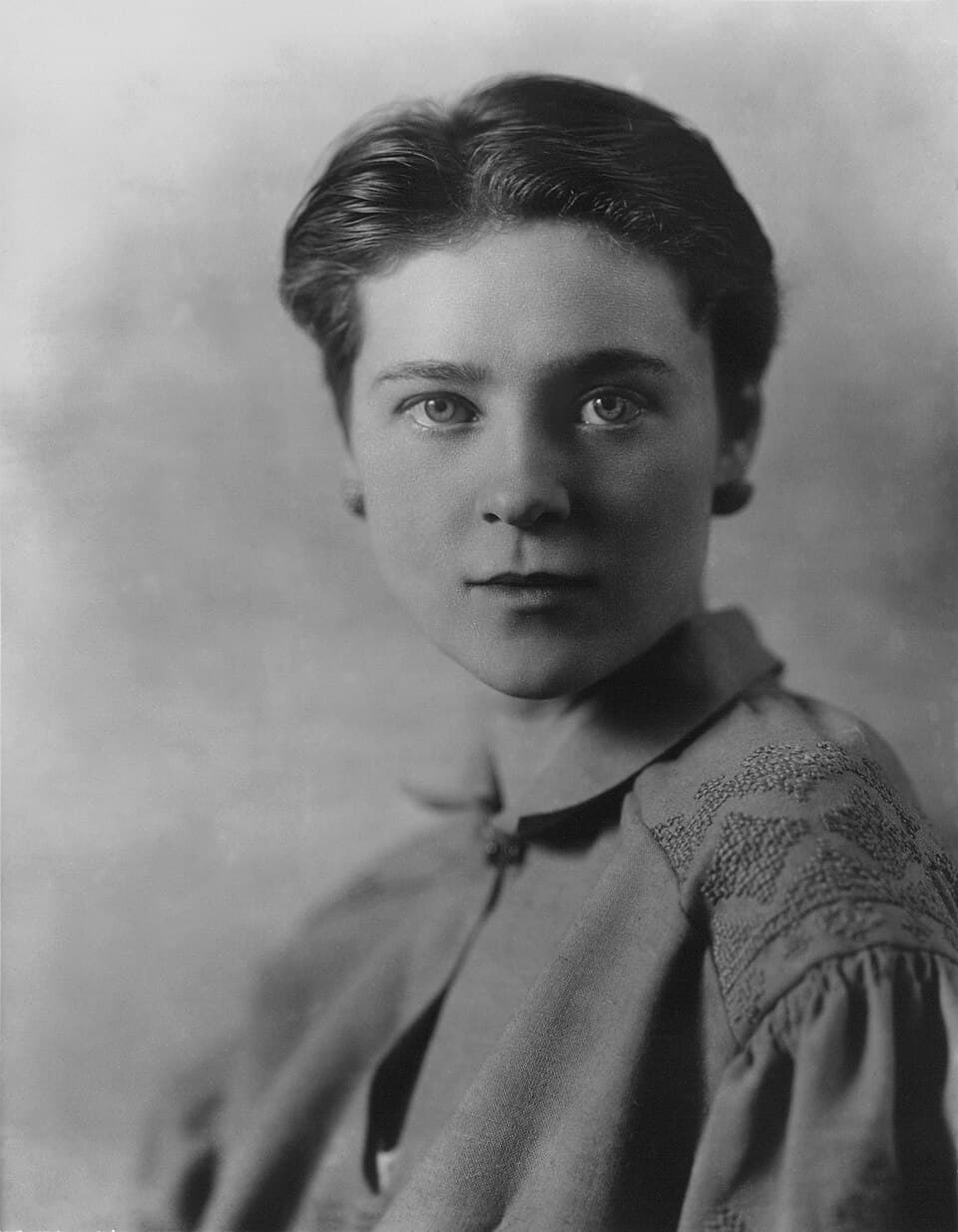
British, American · Arts · Activism
Eva Le Galliene
January 11, 1899 – June 3, 1991
Early Life and Background
Eva Le Gallienne was born on January 11, 1899, in London, England. She was the daughter of English poet Richard Le Gallienne and Danish journalist Julie Norregard. This artistic lineage significantly influenced her cultural and artistic Juvenalia. Her early life involved travels across Europe, which exposed her to an array of artistic influences and the vibrant theatrical scenes of major cities.
Career Beginnings and Development
Le Gallienne embarked on her acting career at an early age, making her stage debut in a production of "Monna Vanna" in 1914 at the age of 15. Her early work on European stages was followed by a move to the United States, where she quickly became a prominent figure in theatre. Her commitment to theatre was driven by the desire to cultivate a serious-minded, art-focused theatrical environment in America.
Major Works, Discoveries, or Accomplishments
In 1926, Le Gallienne founded the Civic Repertory Theatre in New York City, dedicated to producing high-quality plays in intimate settings at affordable prices. This initiative marked her as an influential leader in the American theatre movement, promoting repertory theatre and accessibility in the arts. Her productions covered classics like Henrik Ibsen’s "The Wild Duck" and Anton Chekhov’s "The Cherry Orchard", contributing significantly to the popularization of these works in America.
Awards, Honors, and Recognition
Throughout her career, Eva Le Gallienne received various honors, the pinnacle of which was a Special Tony Award in 1964 for her significant contributions to the American theatre. Her legacy was solidified with her election to the American Theatre Hall of Fame in 1979.
Personal Life
Le Gallienne's personal life was marked by artistic and romantic liaisons reflective of her passion-driven existence. She was openly lesbian in an era when such openness was rare, and her relationships with women like actress Alla Nazimova and poet Edna St. Vincent Millay were significant aspects of her life. Her courage and openness about her sexuality contributed to her role as a trailblazer for LGBTQ+ rights.
Legacy and Historical Impact
The legacy of Eva Le Gallienne is profound in the realms of theatre and social visibility for women and LGBTQ+ communities. Her focus on artistic integrity and affordability in theatre shaped modern repertory theatre trends in America. Her life and work remain a beacon for gender and sexual inclusivity within the arts.
Later Life and Death
In her later years, Le Gallienne continued acting and imparting her theatrical wisdom to newer generations. She passed away on June 3, 1991, in Weston, Connecticut, but left behind a monumental legacy in theatre and cultural circles worldwide.
Dated achievements
2 indexed.
- Jan111899Arts
Birth of Eva Le Gallienne
Eva Le Gallienne was born on January 11, 1899.
View details Eva Le Gallienne - Wikipedia - Jun031991Arts
Death of Eva Le Gallienne
Eva Le Gallienne died on June 3, 1991, in Weston, Connecticut.
View details