← All women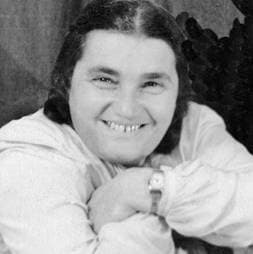
Russian · Literature · Activism
Eugenia Ginzburg
December 20, 1904 – May 25, 1977
Early Life and Background
Eugenia Ginzburg was born on December 20, 1904, in Moscow, Russia. She was raised in a Jewish family and pursued higher education in Kazan, where she studied social sciences. Her early influences included the revolutionary fervor of her times, as Russia underwent significant political changes.
Career Beginnings and Development
Ginzburg began her career as an educator and then moved into journalism. She was a staunch supporter of the Communist Party and was active in the educational and cultural sectors. However, her life dramatically changed during Stalin’s Great Purge in the late 1930s.
Major Works
While imprisoned, Ginzburg composed her memoir, "Journey into the Whirlwind," which detailed her arrest, trial, and years in the Gulag labor camps. The memoir is a vivid account of both the psychological and physical trials she endured.
Awards and Recognition
Although Ginzburg's works were not officially recognized during the Soviet era, posthumously, she gained significant recognition. Her writings contribute crucially to understanding the Stalinist regime.
Personal Life
Ginzburg was married to Pavel Aksyonov, with whom she had two children. Her family ties were deeply impacted by her arrest and exile, mirroring the plight of many others during the Purge.
Legacy and Historical Impact
Ginzburg's memoirs became instrumental in shedding light on the horrors of the Soviet Gulag system and the oppressive political climate of Stalin's rule. Her accounts are considered essential reading for understanding Soviet history.
Later Life and Death
After her release, Eugenia Ginzburg continued her writing and advocacy until her death on May 25, 1977. Today, she is remembered as a courageous voice against authoritarian oppression and a vital historical chronicler.
Dated achievements
1 indexed.
- Dec201904Literature
Birth of Eugenia Ginzburg
Eugenia Ginzburg was born in Moscow, Russia on December 20, 1904.
View details Wikipedia - Yevgenia Ginzburg