← All women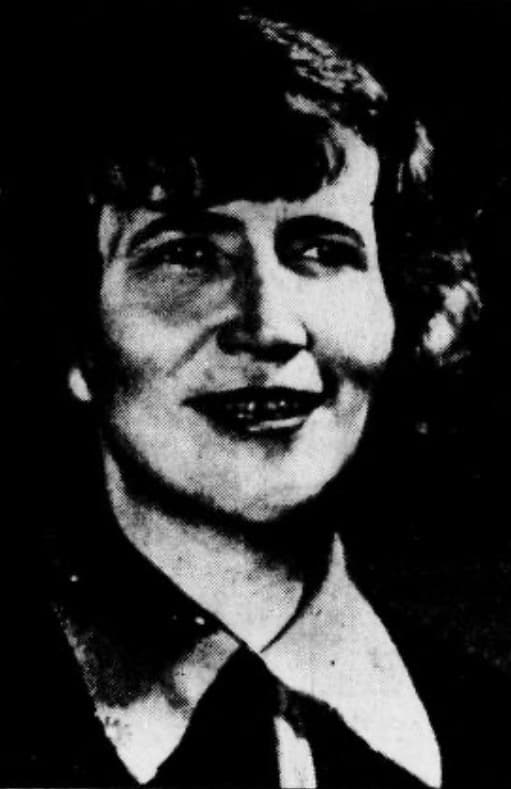
American · Literature
Esther Forbes
June 28, 1891 – August 12, 1967
Early Life and Background
Esther Louise Forbes was born on June 28, 1891, in Westborough, Massachusetts. She was the youngest of five children in a family with deep historical roots in New England. Forbes' father, William Trowbridge Forbes, was a lawyer, while her mother, Harriette Merrifield Forbes, was an avant-garde historian, photographer, and a collector of New England antiquities. Growing up, Esther was exposed to a rich tapestry of historical narratives which heavily influenced her future literary pursuits.
Forbes was educated at the Bancroft School and then attended Bradford Academy and later, the University of Wisconsin-Madison. Though she did not complete her degree, her time in college played a vital role in shaping her intellectual landscape, introducing her to a broad array of literature and history studies.
Career Beginnings and Development
Esther Forbes began her writing career in the 1920s with short stories and contemporary novels. Her first novel, "Oh Genteel Lady!" was published in 1926. The book received praise for its detailed and vivid portrayal of the historical setting. However, it was during the 1930s and 1940s that Forbes truly marked her place in the literary world.
Her deep interest in history and well-researched narratives became her signature style, allowing her to blend fact with fiction seamlessly. One of the significant turning points in her career was the publication of "Paul Revere and the World He Lived In" in 1942, which won a Pulitzer Prize for History in 1943.
Major Works and Accomplishments
Esther Forbes is perhaps best known for her novel "Johnny Tremain," published in 1943. This novel, targeted at young audiences, captures the transformative years leading up to the American Revolutionary War through the experiences of the fictional young silversmith, Johnny Tremain. The book won the Newbery Medal in 1944 and remains a cornerstone in American children's literature, praised for bringing young readers closer to American history.
Forbes' works have been noted for their meticulous research and vivid storytelling, engaging readers in the rich cultural and historical milieu of America. Her biography of Revere and the fictional "Johnny Tremain" demonstrated an ability to render American history accessibly and compellingly.
Awards and Honors
Among her notable accolades are the Pulitzer Prize for History for "Paul Revere and the World He Lived In" and the Newbery Medal for "Johnny Tremain." These recognitions not only solidified her reputation as an adept storyteller but also positioned her as an essential voice in the interpretation of historical narratives for both adults and young readers.
Legacy and Historical Impact
Esther Forbes' legacy lies in her ability to weave intricate historical details into accessible narratives that appeal to both the general public and historians. Her works continue to be featured in school curriculums and serve as a vital educational resource. Forbes' method of storytelling set a standard in narrative nonfiction, combining scholarly rigor with imaginative writing.
Later Life and Death
Forbes continued to write until her death, remaining an influential literary figure. She passed away on August 12, 1967, in Worcester, Massachusetts. Her prolific contributions to literature and her dedication to exploring and interpreting American history have left an indelible mark on both literature and history studies.
Dated achievements
1 indexed.
- Jun281891Literature
Birth of Esther Forbes
Esther Forbes was born on June 28, 1891, in Westborough, Massachusetts.
View details Encyclopedia Britannica