← All women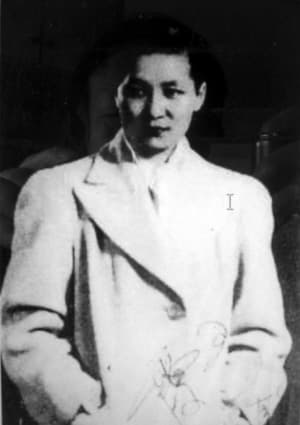
Chinese, American · Arts
Esther Eng
September 24, 1914 – January 25, 1970
Early Life and Background
Esther Eng was born on September 24, 1914, in San Francisco, California, to a family of Chinese immigrants. Her parents, who owned a restaurant, were part of the thriving Chinese community in the city. From a young age, Esther showed a keen interest in the arts, which led her to pursue a career in filmmaking. Her bilingual abilities and bicultural understanding of both American and Chinese societies positioned her uniquely to bridge these worlds through cinema.
Career Beginnings and Development
Eng began her career in filmmaking during the 1930s, a time when few women were able to hold such roles within the industry. Kickstarting her directorial journey in Hong Kong, she became recognized for her innovative approach and bold storytelling techniques. Eng co-directed her first film, "Heartache," in 1935, which set precedence for her future work in the industry.
Major Works and Accomplishments
Esther Eng's career spanned several notable films, with works such as "Golden Gate Girls," which she directed, gaining particular visibility. This film, set in and around San Francisco, encapsulated her ability to weave cross-cultural narratives that resonated with audiences on both sides of the Pacific. Her body of work was characterized by its thematic depth, often addressing issues of immigration and identity.
Awards, Honors, and Recognition
While Eng did not receive significant formal awards in her time, her work has received posthumous recognition as pioneering feminist art. Her films have been showcased in retrospectives, and she is remembered today as one of the first openly homosexual filmmakers of Chinese descent.
Personal Life
Esther Eng was an openly gay woman, a fact that influenced her cinematic narratives, portraying strong, independent female characters who often defied traditional roles. Her personal experiences and identity undeniably enriched her work, pushing the boundaries of representation in a largely conservative era.
Legacy and Historical Impact
Eng is considered a trailblazer in both feminist and LGBTQ cinema. Despite facing numerous societal barriers due to her gender and sexuality, she managed to create art that challenged societal norms and inspired future generations of filmmakers. Her work laid the groundwork for greater representation and diversity in cinema.
Later Life and Death
In her later years, Eng moved back to the United States from Hong Kong, where she continued to influence the film industry through mentoring and as a businesswoman in various ventures. Esther Eng passed away on January 25, 1970, leaving behind a legacy marked by artistic boldness and cultural significance.
Dated achievements
2 indexed.
- Sep241914Arts
Birth of Esther Eng
Esther Eng was born in San Francisco on September 24, 1914.
View details Women Film Pioneers Project Profile: Esther Eng - Jan251970