← All women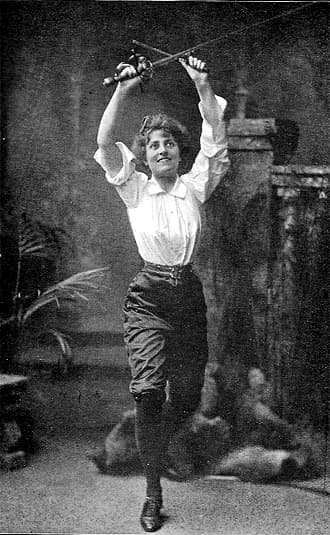
British · Arts · Sports
Esme Beringer
August 5, 1875 – March 31, 1972
Early Life and Background
Esme Beringer was born on August 5, 1875, in London, into an artistic family. Her father, Oscar Beringer, was a well-known playwright and humorist, and her mother, Aimée Daniell Beringer, was a writer. Esme and her siblings grew up in a creative environment that sparked her interest in the arts. She pursued acting alongside her sister, Vera Beringer, who also became an established actress. The family's cultural involvement and social connections significantly influenced Esme's development both as an actress and an athlete.
Career Beginnings and Development
Esme Beringer began her acting career in the late 19th century, taking on roles in plays performed in London's vibrant theatre scene. Her stage presence and embodiment of dramatic roles gained her recognition. However, she is perhaps better known outside the arts for her involvement in the sport of fencing, which was uncommon for women at the time. Beringer embraced the physical rigor and discipline of fencing, becoming an advocate for the sport's inclusion for women.
Major Works, Discoveries, or Accomplishments
During the early 1900s, Esme Beringer was instrumental in popularizing the practice of fencing among women in Britain. She actively participated in tournaments and became known for her engagement with Bartitsu, a mixed martial art that incorporated elements of fencing, as popularized by Edward William Barton-Wright. Her efforts in this sport highlighted the role of women in domains traditionally dominated by men, contributing to the broader movement of women’s inclusion in sports.
Awards, Honors, and Recognition
While specific awards and formal recognitions for her efforts in fencing are not deeply documented, Beringer's reputation as both a skilled fencer and an articulate advocate for women's sports garnered her significant acclaim in contemporary British sporting circles.
Personal Life
Details about Esme Beringer's personal life, including marriage and family, remain sparse. However, her close relationship with her sister Vera Beringer, alongside whom she appeared in various productions, is well recorded. The two sisters often collaborated professionally.
Legacy and Historical Impact
Esme Beringer’s legacy lies in her dual contribution to the arts and women’s sports, particularly fencing. She challenged societal norms and encouraged women to partake in sports during a period when such participation was not widely accepted. Her life and work continue to be a source of inspiration for advocates of women in sports.
Later Life and Death
In her later years, Esme Beringer continued to be involved both in theatre and in promoting fencing until her death in London on March 31, 1972. Her contributions have left an enduring mark on both fields, remembered for her pioneering spirit and dedication to elevating women's roles in competitive sports and the arts.
Dated achievements
2 indexed.
- Aug051875Arts
Birth of Esme Beringer
Esme Beringer was born on August 5, 1875, in London.
View details Wikipedia: Esme Beringer - Mar311972