← All women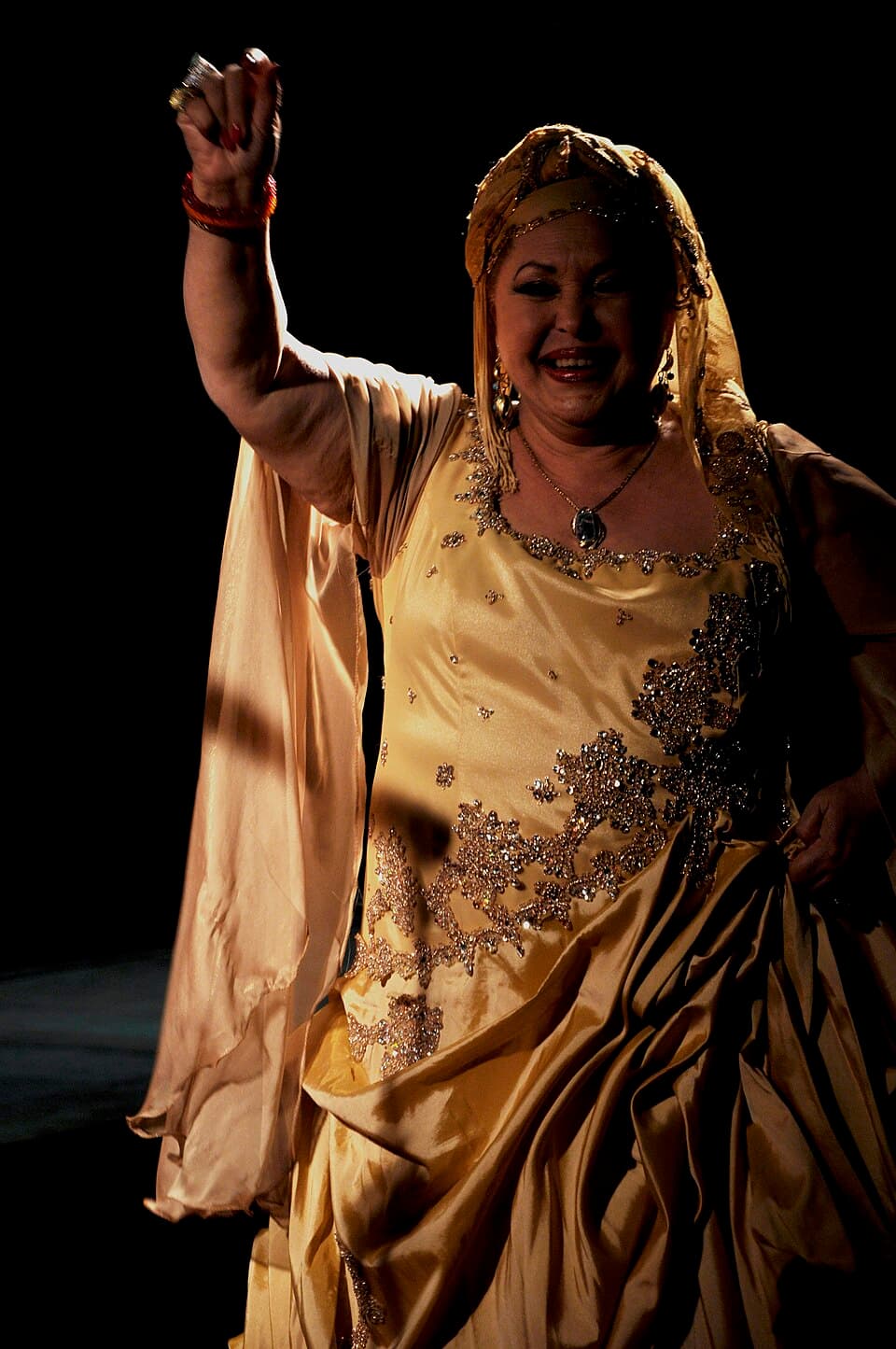
Macedonian · Arts · Activism
Esma Redžepova
August 8, 1943 – December 11, 2016
Early Life and Background
Esma Redžepova was born on August 8, 1943, in Skopje, in what was then the Kingdom of Bulgaria, and is now the capital of North Macedonia. She grew up in a Romani family steeped in music, which heavily influenced her early life. Her father, Ibraim Redžepov, was a well-known accordion player, and her mother, Muniba Redžepova, was a singer, both of whom instilled a love for music in Esma. Despite the socio-political challenges faced by the Romani community, Esma pursued her passion for music from a young age.
Career Beginnings and Development
Redžepova's career began to take shape when she entered a local talent contest at the age of 13, which led her to be discovered by Macedonian songwriter and manager Stevo Teodosievski. Teodosievski became not only her mentor but also her husband, and together they launched a series of projects that showcased Romani music both nationally and internationally. Her first major success was the hit song "Chaje Shukarije," which brought her widespread acclaim and helped solidify her status within the music industry.
Major Works and Accomplishments
Throughout her career, Redžepova recorded numerous albums and performed in over 8,000 concerts across the world. Her music, often characterized by its emotive and powerful style, served as an ambassador for Romani culture. She was often referred to as the "Queen of Romani Music," a title that reflected her influence and pioneering role in popularizing her cultural heritage. Performing at venues such as the Olympia in Paris and at concert halls in India and Africa, she used her platform to illuminate the plight of the Romani people.
Awards, Honors, and Recognition
Esma's musical talent and humanitarian efforts earned her several awards and recognitions. In 2013, she was nominated for the Nobel Peace Prize for her extensive work with Romani children and her humanitarian efforts over decades. She also received numerous local and international awards, accentuating her impact not only as an artist but also as an advocate and humanitarian. Her efforts in fostering cultural understanding and peace through music were widely recognized.
Personal Life
Esma and her husband, Stevo Teodosievski, raised 47 foster children, demonstrating their commitment to humanitarian causes and the welfare of children in need. Their household became a nurturing environment for these children, and Esma's role in their upbringing was significant, as she served as a role model and mentor.
Legacy and Historical Impact
Redžepova's legacy extends beyond her music. As a cultural icon who transcended ethnic and national borders, she brought Romani music to a global stage, raising awareness and appreciation of her culture. Her humanitarian work and advocacy for children's rights and education left an enduring legacy of compassion and activism. Esma inspired countless artists and made strides in improving the perception and rights of the Romani people worldwide.
Later Life and Death
In her later years, Esma continued to perform and engage in philanthropic activities until her health began to decline in 2016. She passed away on December 11, 2016, in Skopje, leaving behind a rich cultural and humanitarian legacy that continues to inspire.
Dated achievements
2 indexed.
- Aug081943Arts
Birth of Esma Redžepova
Esma Redžepova was born in Skopje.
View details Britannica - Esma Redžepova - Dec112016