← All women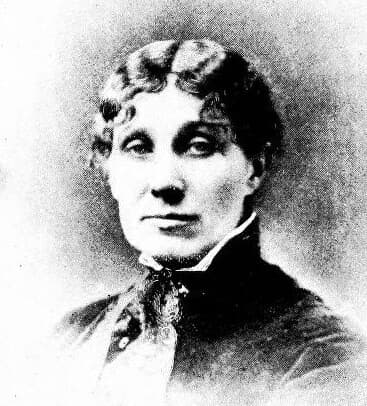
American · Science · Exploration
Erminnie Platt
April 26, 1836 – June 11, 1886
Early Life and Background
Erminnie Adele Platt was born on April 26, 1836, in New York City, into a family that valued education and intellectual pursuits. These early influences shaped her lifelong dedication to the sciences, despite the limited opportunities available for women in the field at the time.
Platt's education began in earnest at a series of finishing schools, where she received a grounding in the sciences and humanities. Despite societal expectations that women would pursue more domestic roles, Platt was determined to carve out a career for herself in a scientific discipline. The support of her family and her personal dedication to learning helped facilitate her entry into ethnology and geology, fields traditionally dominated by men.
Career Beginnings and Development
Platt began her career as a teacher, but her passion for understanding different cultures and the natural world drew her towards ethnology and geology. In the mid-19th century, she transitioned to work in ethnology, conducting some of the earliest ethnographic studies in the United States. Her work particularly focused on the Iroquois peoples, among whom she lived for extended periods to gain a more profound understanding of their culture.
Through meticulous fieldwork and a genuine respect for the cultures she studied, Platt made significant contributions to American ethnology. Her approach laid early foundations for participatory methods that would become standard practice in the field.
Major Works, Discoveries, or Accomplishments
Erminnie Platt's research on the Iroquois was groundbreaking, as she documented their myths, legends, and social practices at a time when such work was rare for women. Her comprehensive ethnographic studies provided valuable insights and enriched the understanding of Iroquois culture.
Platt's work was guided by a scientific rigor that marked her as a forerunner in the ethnological community. Her dedication to understanding and accurately representing the cultures she studied helped combat ethnocentric biases prevalent in the scholarship of her time.
Awards, Honors, and Recognition
Platt was highly respected by her peers, and although formal awards were uncommon in her time, her work led to recognition across ethnological societies. Her contributions were later acknowledged posthumously as foundational to the development of ethnological studies in America.
Personal Life
Erminnie Platt's personal life was intertwined with her professional endeavors. Her ability to bridge two worlds—as a mother and as a scientist—exemplified the challenges and triumphs of women in science during the 19th century. She was married to Simeon Smith, with whom she had several children, who supported her work and corresponded with her scientific peers, fostering a supportive environment for her scholarly pursuits.
Legacy and Historical Impact
Platt's work holds a significant place in the history of American anthropology and ethnology. Her pioneering methodologies influenced generations of ethnologists who followed, and her life stands as a testament to the vital contributions of women in the sciences.
Beyond her immediate academic contributions, Platt is celebrated today for her role in paving the way for future generations of women in science, proving that excellence in research knows no gender.
Later Life and Death
Erminnie Adele Platt Smith passed away on June 11, 1886. Her legacy continued through the work of those who followed in her footsteps, and she remains an inspiring figure for aspiring women scientists and ethnologists.
Dated achievements
1 indexed.
- Apr261836Literature
Birth of Erminnie Adele Platt
Erminnie Adele Platt was born on April 26, 1836, in New York City.
View details Platt Genealogy In America