← All women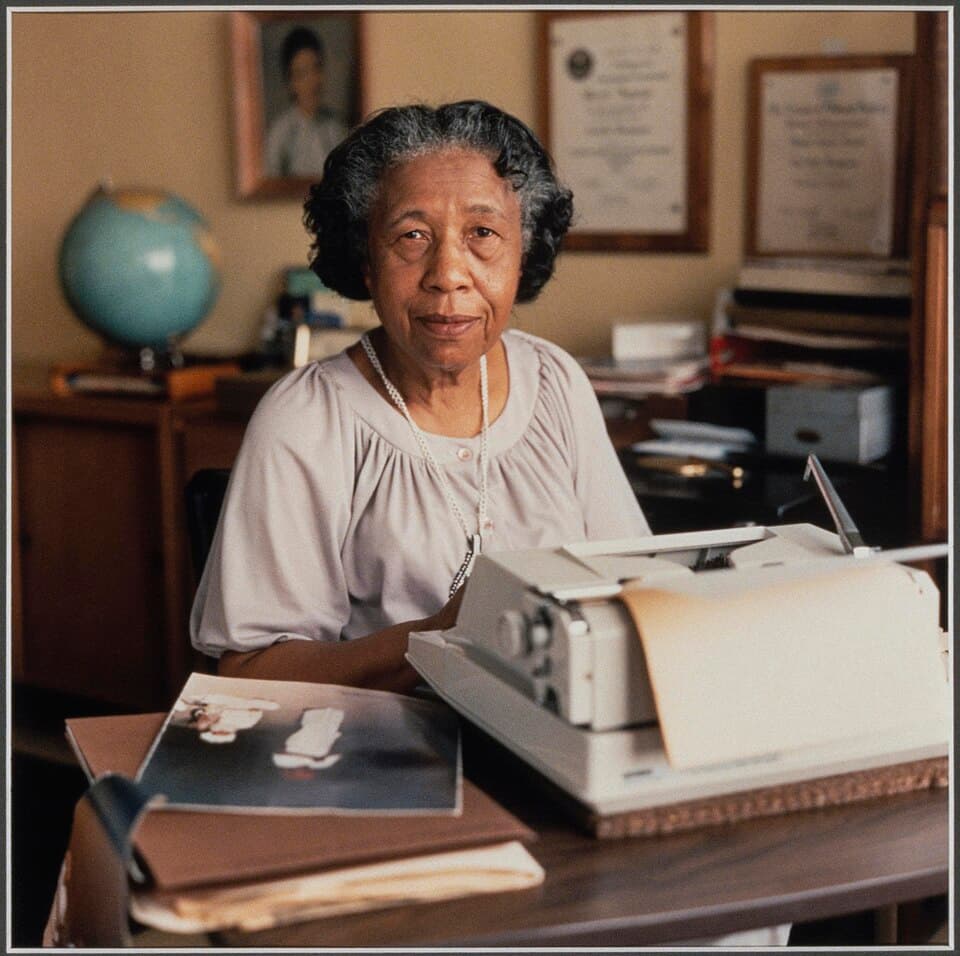
American · Literature · Activism
Era Bell Thompson
August 10, 1905 – December 30, 1986
Early Life and Background
Era Bell Thompson was born on August 10, 1905, in Des Moines, Iowa, to parents Stewart and Mary Logan Thompson. She spent her formative years in predominantly white communities in North Dakota, where her father was one of the first African American homesteaders. This upbringing amid isolation and racial diversity influenced her deeply, fostering a resilience that would define her career. Thompson attended the University of North Dakota, earning a journalism degree, a non-traditional path for African American women at the time.
Career Beginnings and Development
Thompson began her career in journalism during a challenging era, marked by racial prejudice and limited opportunities for African American writers. Her persistence led to freelance writing opportunities, and she captured national attention with her article "A Little Black Girl Faces the Facts," published in 1937 in the "American” Magazine. This publication laid the groundwork for her future endeavors.
Major Works, Discoveries, or Accomplishments
One of Thompson's most significant accomplishments was her role as the editor of Ebony magazine, a position she held from 1947 until her retirement in 1985. Under her editorial direction, Ebony became one of the leading African American publications, providing critical discussions on race, society, and culture. Her autobiographical book, "American Daughter," offers a vivid account of her life and experiences as a black woman in America, contributing significantly to African American literature.
Awards, Honors, and Recognition
Thompson was widely recognized for her contributions to journalism and literature. She received honorary doctorates from several universities and was celebrated by institutions such as the University of North Dakota, which commemorated her legacy by establishing a resource center in her name.
Personal Life
Despite a successful career, Thompson's personal life remained relatively private. She did not marry or have children, instead dedicating her life to her craft and causes she was passionate about, particularly issues surrounding racial equality and representation in media.
Legacy and Historical Impact
Era Bell Thompson's legacy lies in her pioneering work as a black female journalist at a time when racial and gender barriers were prevalent. Her writing and editorial contributions offered a unique insight into the African American experience, helping to shape public discourse around race in the mid-20th century. Her impact is enduring, as her work continues to be studied and celebrated for its historical and cultural significance.
Later Life and Death
Thompson continued to influence the field of journalism until her retirement in 1985. She passed away on December 30, 1986, in Chicago, Illinois. Her life's work remains a testament to her perseverance and commitment to social change through storytelling.
Dated achievements
1 indexed.
- Aug101905Literature
Birth of Era Bell Thompson
Era Bell Thompson was born on August 10, 1905, in Des Moines, Iowa.
View details Wikipedia