← All women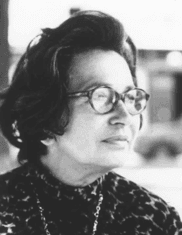
Hungarian, British · Medicine
Enid Balint
December 1, 1903 – July 19, 1994
Early Life and Background
Enid Flora Balint, born on December 1, 1903, in London, was the daughter of a Jewish Hungarian father and a British mother. Her early exposure to the rich cultural intersections of her family background shaped her understanding of human behavior and psychological processes. Enid pursued an education in medicine, becoming deeply interested in psychoanalysis as she progressed through her academic and professional career.
Career Beginnings and Development
Enid initially trained as a medical doctor before realizing her passion lay in the field of psychoanalysis. She trained at the British Psychoanalytical Society, where her work and research in psychosocial medicine took root. At the Tavistock Institute, she found a nurturing environment for her pioneering studies on the doctor-patient relationship, which later became pivotal in her professional journey.
Major Works and Accomplishments
In the 1960s, Enid Balint was integral to developing the Balint Group Method, a revolutionary approach to training general practitioners (GPs) in enhancing their interaction with patients. This method involved small groups of family practitioners meeting regularly with a psychoanalyst to discuss their cases. It emphasized understanding patients' emotional needs and using these insights for effective treatment. Her contributions significantly altered medical practices, promoting more empathetic and insightful approaches to patient care.
Awards, Honors, and Recognition
Though not extensively documented in recorded honors, Enid Balint’s work earned her much respect in her field. The establishment and continued influence of the Balint Society, which trains healthcare professionals internationally in the method she pioneered alongside her husband, stands testament to her lasting legacy.
Personal Life
Enid married twice; her second husband, Michael Balint, was also a distinguished psychoanalyst. Together, they forged a formidable professional partnership that advanced the study of the doctor-patient relationship. Her personal and professional lines often blurred, driving both her passion and professional commitment.
Legacy and Historical Impact
Enid Balint's methods live on globally through Balint groups, which continue to form an essential component of medical training programs. Her insights into the emotional dimensions of medical practice significantly influenced public health policy and education in psychosocial medicine.
Later Life and Death
Enid continued to engage actively in psychoanalysis and teaching until her passing on July 19, 1994. Her life's work remains influential, embodying a more humanistic approach to medical care that acknowledges the psychological aspects of healing and health.
Dated achievements
1 indexed.
- Jul191994Medicine
Death of Enid Balint
Enid Balint passed away on July 19, 1994.
View details Balint International History