← All women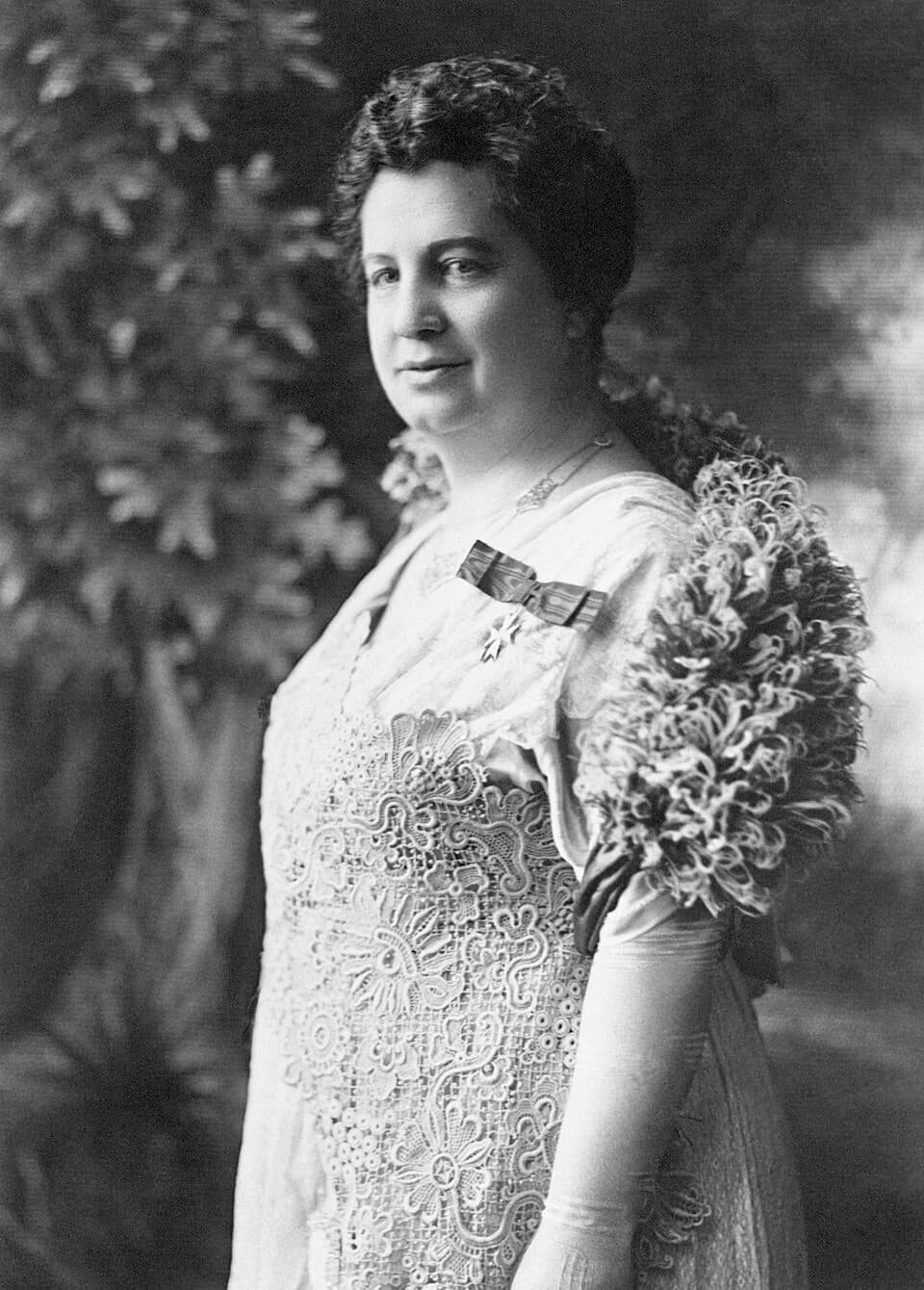
Canadian · Politics · Activism · Law
Emily Murphy
March 14, 1868 – October 17, 1933
Early Life and Background
Emily Murphy was born Emily Gowan Ferguson on March 14, 1868, in Cookstown, Ontario, Canada. She was the third of six children in the Ferguson family. Her father, Isaac Ferguson, was a successful businessman and landowner, which allowed the family to live comfortably and provided Emily with a good education. The Ferguson family valued education and civic engagement, which left a strong impression on Emily from a young age. As she grew up, Emily demonstrated a keen interest in social issues, particularly those affecting women.
Career Beginnings and Development
Emily Murphy began her career as a writer, publishing articles and stories in various Canadian newspapers and magazines, often highlighting the difficulties faced by women. Her first major public role was in 1916, when she became the first woman police magistrate in Alberta, and in the British Empire. This was a significant milestone, as it broke the traditional gender barrier within the Canadian legal system.
Major Works, Discoveries, or Accomplishments
As a magistrate, Murphy fought against drug addiction and was instrumental in the enactment of the first Canadian anti-drug laws. However, her most renowned accomplishment was her involvement with "The Famous Five." In 1927, alongside Henrietta Muir Edwards, Nellie McClung, Louise McKinney, and Irene Parlby, Murphy challenged the Canadian Senate to declare women as "persons" eligible to sit in the Senate. On October 18, 1929, the Judicial Committee of the Privy Council in Britain ruled in favor of this appeal in what became known as the "Persons Case." This decision had a watershed effect on women's rights in Canada, establishing women as equal participants in public and political life.
Awards, Honors, and Recognition
Emily Murphy's achievements were recognized long after her death, and she is celebrated as a pioneering figure in the women’s rights movement. Although not the recipient of contemporary awards, her legacy has been honored through plaques, schools, and public spaces named after her in Canada. Her role in the "Persons Case" has secured her a permanent place in Canadian history.
Personal Life
Murphy married Arthur Murphy in 1887, and the couple relocated to rural Alberta. They had two daughters. The Murphy family was supportive of Emily's public engagements and advocacy work, which often kept her in the public eye.
Legacy and Historical Impact
Emily Murphy's advocacy for women's legal rights laid a foundation for further advancements in gender equality throughout Canada. Her role in the "Persons Case" symbolizes the determination and struggle required to overcome deeply ingrained societal biases against women. While her views, particularly on race and eugenics, have been criticized, her achievements in advancing women's legal status remain substantial.
Later Life and Death
Emily Murphy continued to be active in the community and wrote several books under the pseudonym "Janey Canuck." She passed away on October 17, 1933, in Edmonton, Alberta. Her death did not stifle her legacy, as her contributions to women’s rights have continued to inspire subsequent generations of activists and lawmakers.
Dated achievements
1 indexed.
- Oct181929Law
"Persons Case" Decision
The Privy Council declared women as "persons," allowing them to serve in the Canadian Senate.
View details The Persons Case - The Canadian Encyclopedia