← All women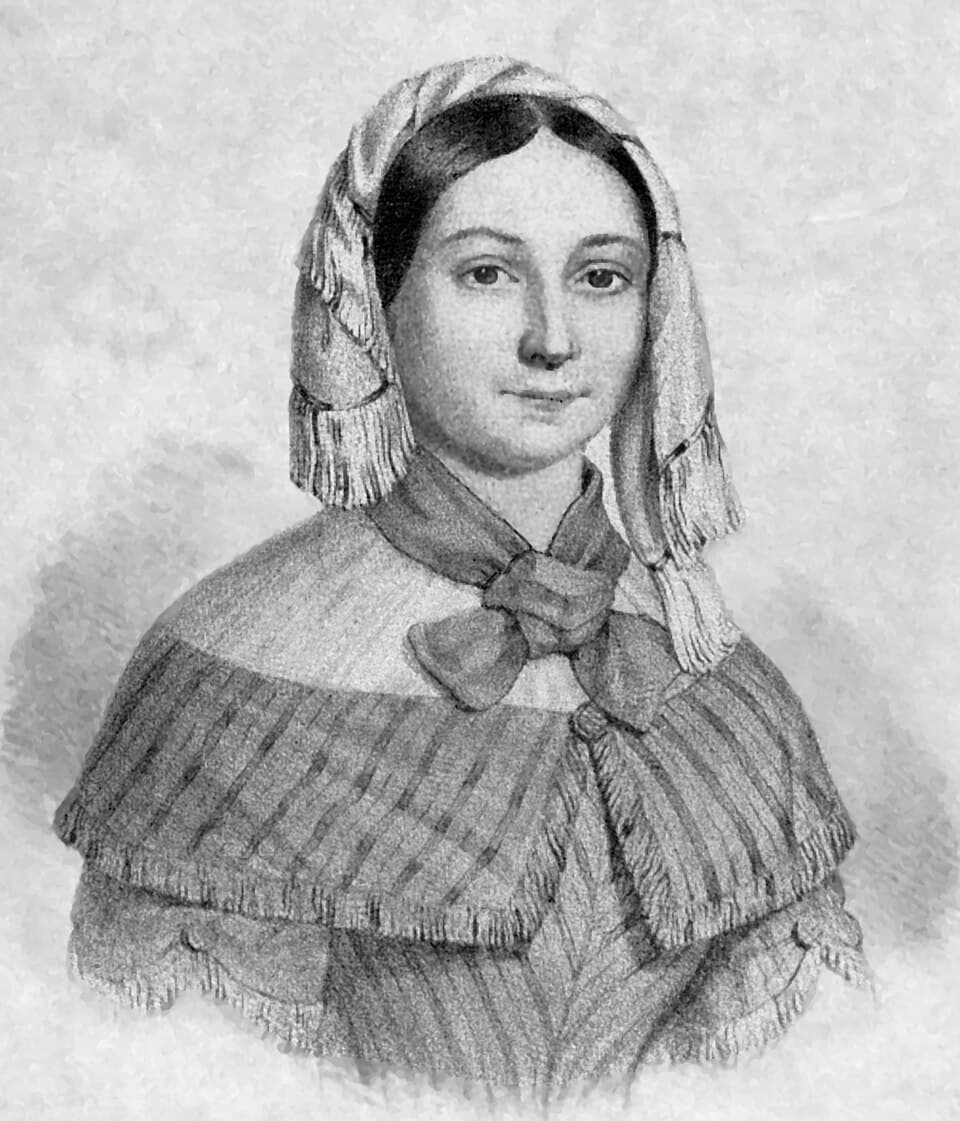
Swedish · Literature
Emilie Flygare-Carlén
August 8, 1807 – February 5, 1892
Early Life and Background
Emilie Flygare-Carlén was born on August 8, 1807, in Strömstad, Sweden, into a seafaring family. Her father, Johan Gustaf Smith, was a ship captain, which deeply influenced her later work. Emilie grew up amidst the nautical culture of Sweden’s west coast. Her mother, Margareta Stiegler, instilled in her the value of storytelling, a skill Emilie honed throughout her life. Though formal education was limited for women during her time, Emilie’s curiosity and the rich cultural life of her family provided a formidable start. Tragedy struck when Emilie was young, with the deaths of several siblings and her first husband, leaving a profound impact.
Career Beginnings and Development
Emilie began writing to support her family after becoming a widow. Her first novel, "Valdemar Klein," was published in 1838 under a male pseudonym. However, it was "Rosen på Tistelön" (The Rose of Tistelön), published in 1842, that cemented her reputation as a novelist who could vividly capture the rugged beauty and drama of the Swedish archipelago. Her early works are notable for their pioneering depictions of life in the coastal regions of Sweden, diverging from the urban settings and focusing instead on the unique challenges of sea life.
Major Works and Achievements
Throughout her prolific career, Flygare-Carlén penned several successful novels such as "The Magic Goblet" and "Ett köpmanshus i skärgården" (A Merchant House in the Archipelago). Her storytelling intertwined realism with romantic ideals, often influenced by her life experiences. Notable for integrating elements of mystery and crime, she is sometimes referred to as Sweden’s first crime novelist. Flygare-Carlén’s work extended beyond fiction; she was also known for her advocacy in social issues, which occasionally seeped into her literary themes.
Awards, Honors, and Recognition
Flygare-Carlén's literary achievements were highly regarded not only in Sweden but also internationally. She was recognized by various literary societies and her works were translated into multiple languages during her lifetime, expanding her influence across Europe.
Personal Life
Emilie married multiple times; first to Axel Flygare and then Johan Gabriel Carlén, both relationships contributing profoundly to her worldview and narrative style. Her personal tragedies, including the loss of children and spouses, infused her novels with a deep understanding of grief and resilience. She was a mother to multiple children, some of whom survived into adulthood, continuing her literary legacy.
Legacy and Historical Impact
Emilie Flygare-Carlén's impact on Swedish literature and culture is enduring. She introduced Swedish readers to the complexities and nuances of rural coastal life, breaking away from the traditional urban-centric narratives. Her nuanced portrayals of characters and their societal roles expanded the scope of Swedish literature in the 19th century, inspiring future generations of writers. She was not only instrumental in carving a space for women in Swedish literature but also one of the forebears of the Scandinavian crime genre.
Later Life and Death
Her later years were marked by declining health and financial difficulties, yet she remained influential in literary circles until her death on February 5, 1892, in Stockholm. Emilie Flygare-Carlén’s writings continue to be celebrated for their narrative depth and cultural significance, offering readers insights into a pivotal period in Swedish history.
Dated achievements
2 indexed.
- Aug081807Literature
Birth of Emilie Flygare-Carlén
Emilie Flygare-Carlén was born on August 8, 1807, in Strömstad, Sweden.
View details Wikipedia: Emilie Flygare-Carlén - Feb051892Literature
Death of Emilie Flygare-Carlén
Emilie Flygare-Carlén died on February 5, 1892, in Stockholm, Sweden.