← All women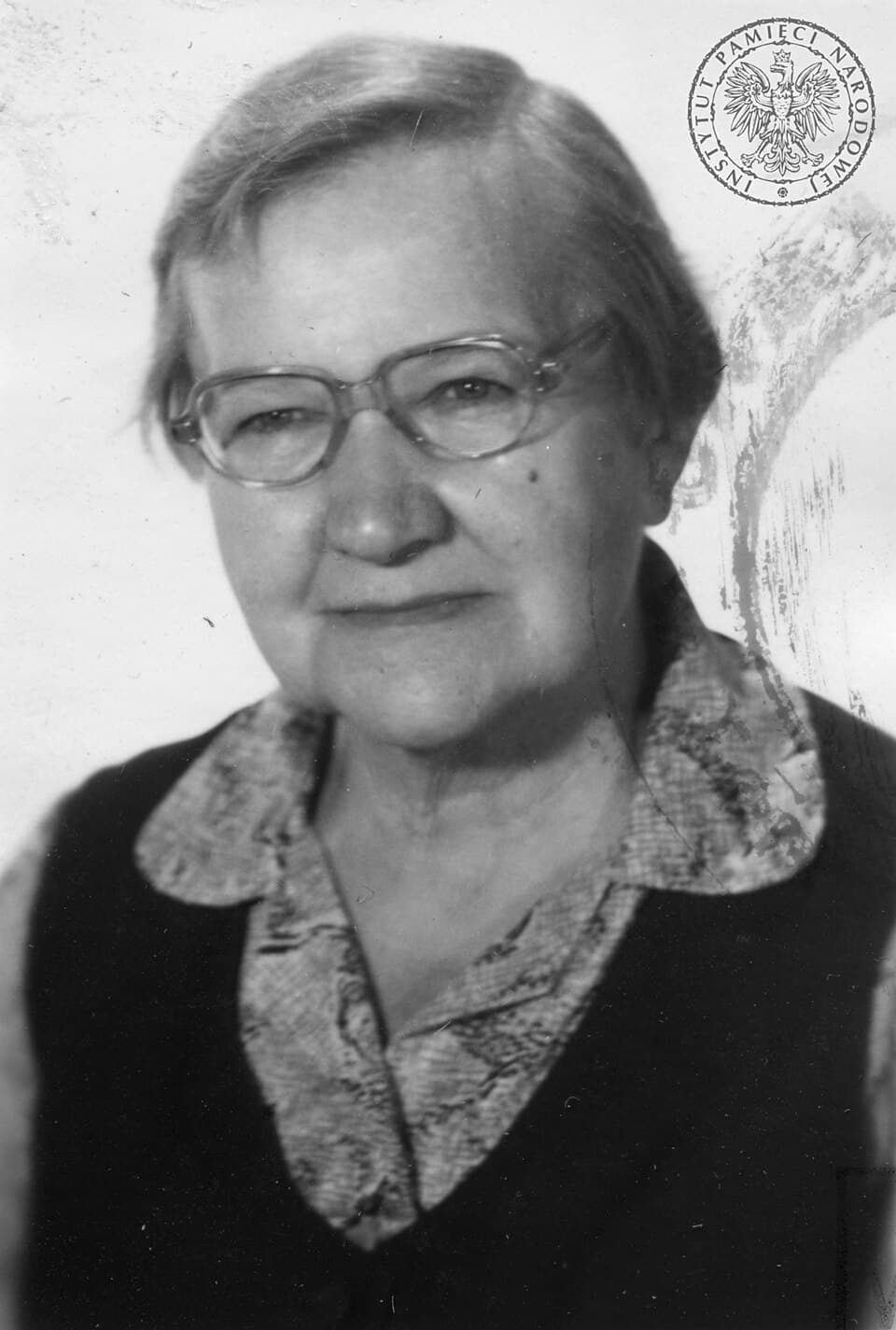
Polish · Activism · Exploration
Elżbieta Zawacka
March 19, 1909 – January 10, 2009
Early Life and Background
Born on March 19, 1909, in Toruń, Poland, Elżbieta Zawacka was raised in a family with strong patriotic values. Her early education was deeply rooted in the ethos of Polish independence, with her high school years at St. Mary Magdalen Secondary School in Poznań shaping her resolute commitment to her country. Elżbieta pursued higher education at Adam Mickiewicz University in Poznań, where she studied mathematics and gained a teaching qualification, which would later influence her roles in education and training.
Career Beginnings and Development
In the late 1930s, as tensions rose in Europe, Zawacka became actively involved in scouting and clandestine education. When WWII broke out, she swiftly positioned herself in the resistance movements. Her engineering of communication lines across occupied territories exemplified her strategic brilliance. She became, most famously, the only woman among the distinguished Polish secret elite, the Cichociemni—a unit of paratrooper commandos trained in Great Britain.
Major Works and Accomplishments
Elżbieta's wartime achievements were marked by daring missions where she served as a courier between the Polish government-in-exile and Poland's Home Army. Her valor was recognized when she was tasked with the perilous journey over the most dangerous routes, disguising herself masterfully amidst constant threats of capture. Her contributions were vital to the resilience and operations of the Polish underground.
Awards, Honors, and Recognition
For her extraordinary service, Zawacka was awarded numerous decorations, including the Virtuti Militari, Poland’s highest military honor, and posthumously, the rank of Brigadier General. Her legacy inspired future generations of Polish youth, especially women, to embrace roles in public and national service.
Personal Life
Elżbieta Zawacka's life was one of singular dedication to her country, leaving little room for traditional family life; instead, she found kinship in fellow members of the resistance. Her personal relationships often intersected with her patriotic duties, fostering deep bonds with comrades who shared her vision.
Legacy and Historical Impact
Zawacka's postwar efforts in education and her role in documenting the Polish resistance established her as a cornerstone of Polish historical narrative. Her insistence on documenting and preserving the stories of wartime heroism underscored her awareness of history's power in shaping national identity.
Later Life and Death
After the war, Elżbieta established educational foundations focused on youth empowerment and historical accuracy, helping her maintain a significant influence in Polish academia. She passed away on January 10, 2009, in her hometown of Toruń, heralding a life that bridged Poland's tumultuous decades with grace and determination. Her centennial was a testament to a century marked by resilience and change.
Dated achievements
2 indexed.
- Mar191909Activism
Birth of Elżbieta Zawacka
Elżbieta Zawacka was born on March 19, 1909, in Toruń, Poland.
View details Elżbieta Zawacka - Wikipedia - Jan102009Activism
Death of Elżbieta Zawacka
Elżbieta Zawacka passed away on January 10, 2009, in Toruń, Poland.
View details